

 Travel Essentials
 Travel Essentials

Explore top destinations in Texas for wildflower viewing, from Hill Country drives to state parks bursting with bluebonnets and more. Plan your trip now.
 Travel Essentials
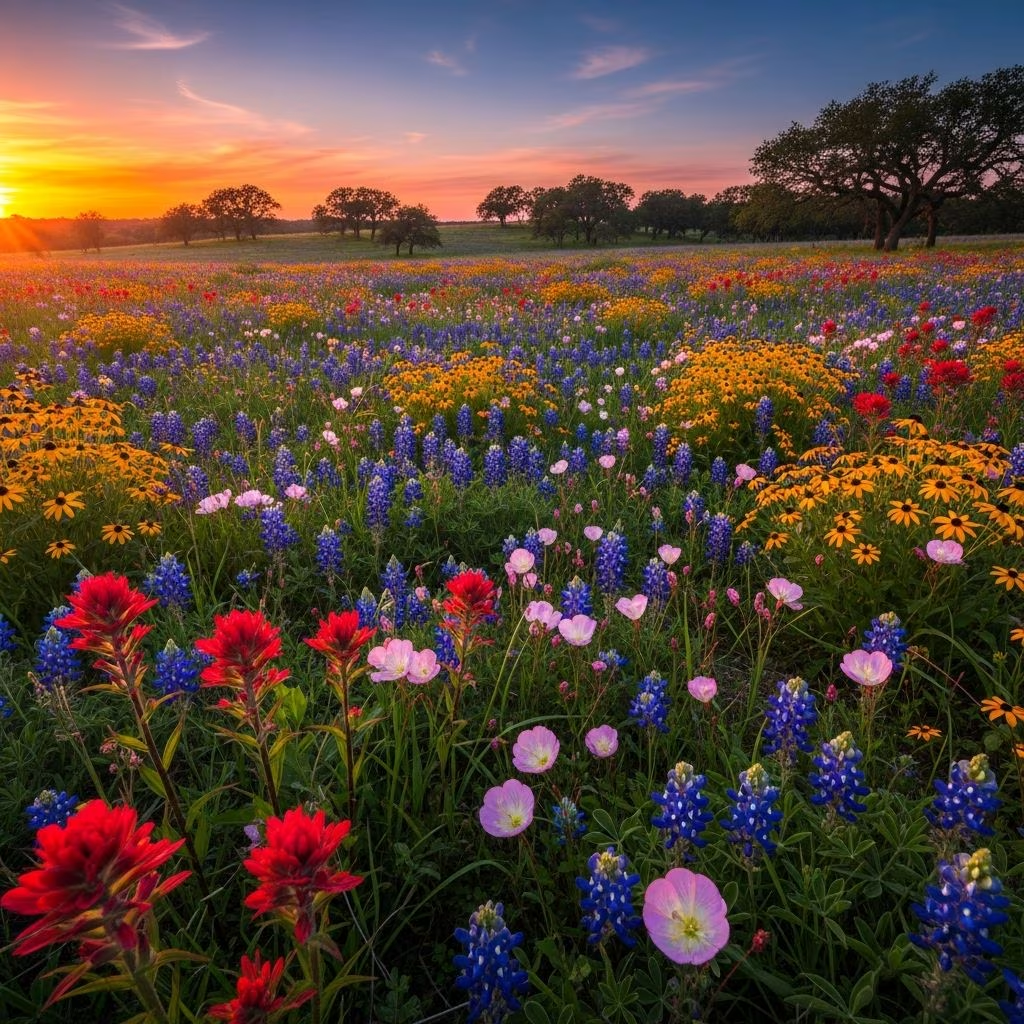
Texas transforms into a vibrant tapestry each spring as fields, roadsides, and parks explode with native blooms like bluebonnets, Indian paintbrush, and evening primrose. This natural spectacle draws visitors from across the state and beyond, offering perfect opportunities for photography, hiking, and family outings. Understanding bloom patterns, prime locations, and safe viewing practices ensures an optimal experience amid these fleeting displays.
Wildflower seasons in Texas typically peak from March through May, varying by region and weather. Central Texas sees bluebonnets carpeting hillsides in early April, while East Texas azaleas and West Texas cacti follow later. Rainfall and temperature play key roles; abundant winter rains lead to profuse blooms. Check updates from reliable sources like state park websites or wildflower hotlines for real-time reports.
The heart of Texas wildflower country lies in the Austin area and surrounding prairies, where expansive meadows create postcard-perfect scenes. These accessible sites combine natural beauty with recreational amenities.
Nestled in southwest Austin, this renowned center showcases nearly 900 native plant species across gardens, meadows, and trails. Visitors wander paths lined with bluebonnets, salvias, and phlox, while a family garden adds interactive elements for children. A cafe and gift shop enhance the visit; advance tickets are recommended to avoid crowds.
Just southeast of Austin, this 726-acre park offers hiking, biking, and camping amid swaths of bluebonnets. Waterfalls and limestone bluffs provide scenic backdrops. Reservations for day use are essential during peak season, as capacity limits entry.
North of Austin in Cedar Park and Round Rock, these parks feature lakeside trails and picnic spots surrounded by violet bluebonnets and red Indian paintbrush. Ideal for relaxed outings, they provide ample space for photos without strenuous hikes.
| Park Name | Location | Key Blooms | Amenities |
|---|---|---|---|
| Lady Bird Johnson Wildflower Center | Southwest Austin | Bluebonnets, phlox | Trails, cafe, gift shop |
| McKinney Falls State Park | Southeast Austin | Bluebonnets | Hiking, camping, waterfalls |
| Brushy Creek Lake Park | Cedar Park | Bluebonnets, paintbrush | Lake, picnic areas |
| Old Settlers Park | Round Rock | Bluebonnets, paintbrush | Picnic areas, trails |
The Texas Hill Country rivals any national park for wildflower drama, with winding roads flanked by rolling fields. These routes offer drive-up views, minimizing walking while maximizing immersion.
Near Fredericksburg, the Willow City Loop delivers rural charm with bluebonnet seas and occasional fence-post cowboy boots. Further east, Highway 237 from Round Top to La Grange reveals longhorn herds amid blooms, creating iconic Texas imagery.
From Burnet to Llano, SH 29 passes Canyon of the Eagles and Inks Lake State Park, where trails weave through goldeneye phlox and Hudson flax. RR 152 toward Castell adds prickly poppy and thistles.
The nation’s largest working wildflower farm near Fredericksburg sows millions of seeds, ensuring reliable displays of bluebonnets and coreopsis. Trails and a store selling seeds make it family-friendly.
Safety tip: Use pullouts designated on TxDOT’s wildflower map to avoid roadside hazards while viewing.
Beyond the bluebonnet fame, East Texas bottomlands host unique flora amid piney woods. Diverse ecosystems yield rarer species.
Arid regions surprise with resilient wildflowers. Big Bend National Park’s taller bluebonnets and cactus blooms dominate late winter to spring.
For a cultivated alternative, Texas Tulips in Pilot Point near Denton blooms early spring with pick-your-own fields. Though seasonal, it extends the flower-viewing calendar.
To make the most of Texas wildflowers:
Peak viewing occurs mid-March to mid-April in Central Texas, shifting later westward. Monitor local reports for precision.
Yes, especially at popular sites like McKinney Falls; book day passes in advance via tpwd.texas.gov.
The bluebonnet (Lupinus texensis), symbolizing spring across the state.
Yes, source seeds from places like Wildseed Farms for native mixes suited to your region.
TxDOT maps highlight pullouts; never stop on highways.
| Region | Peak Month | Signature Blooms | Must-Visit Spot |
|---|---|---|---|
| Central | April | Bluebonnets, paintbrush | Lady Bird Center |
| Hill Country | April | Primrose, sage | Willow City Loop |
| East | March-May | Azalea, phlox | Sandyland Sanctuary |
| West | March-June | Desert marigold, cactus | Big Bend NP |
Texas wildflowers offer a free, ephemeral gift, blending raw beauty with adventure. Whether chasing bluebonnets on backroads or hiking park trails, these destinations create lasting memories.
