


 Food & Culture
Food & Culture
Texas Wine Train Experiences: Scenic Rail Journeys Through Wine Country
Explore curated wine train experiences through Texas Piney Woods with vineyard tastings, gourmet dining, and vintage rail travel.
 Food & Culture
Train travel has long captured the imagination of adventurers and romantics alike, conjuring images of bygone eras when rail journeys represented the pinnacle of leisure travel. In contemporary times, this nostalgic appeal combines with modern comfort and culinary excellence through specialized wine train experiences. Texas, with its diverse landscapes and burgeoning wine industry, offers travelers the opportunity to merge these elements into unforgettable expeditions. The convergence of historic rail routes, regional viticulture, and hospitality services creates distinctive travel experiences that appeal to wine enthusiasts, history buffs, and couples seeking romantic getaways.
The Historical Significance of Rail Travel in Texas
Railroad networks transformed Texas throughout the nineteenth and twentieth centuries, facilitating commerce, settlement, and cultural exchange across the state’s vast territories. These iron pathways connected remote communities to urban centers and enabled the transportation of goods that shaped regional economies. Today, preserved rail corridors and restored locomotives serve as tangible connections to this transportation heritage. Organizations dedicated to historical preservation have revitalized these routes, transforming them from purely utilitarian infrastructure into experiential attractions that educate visitors while providing entertainment.
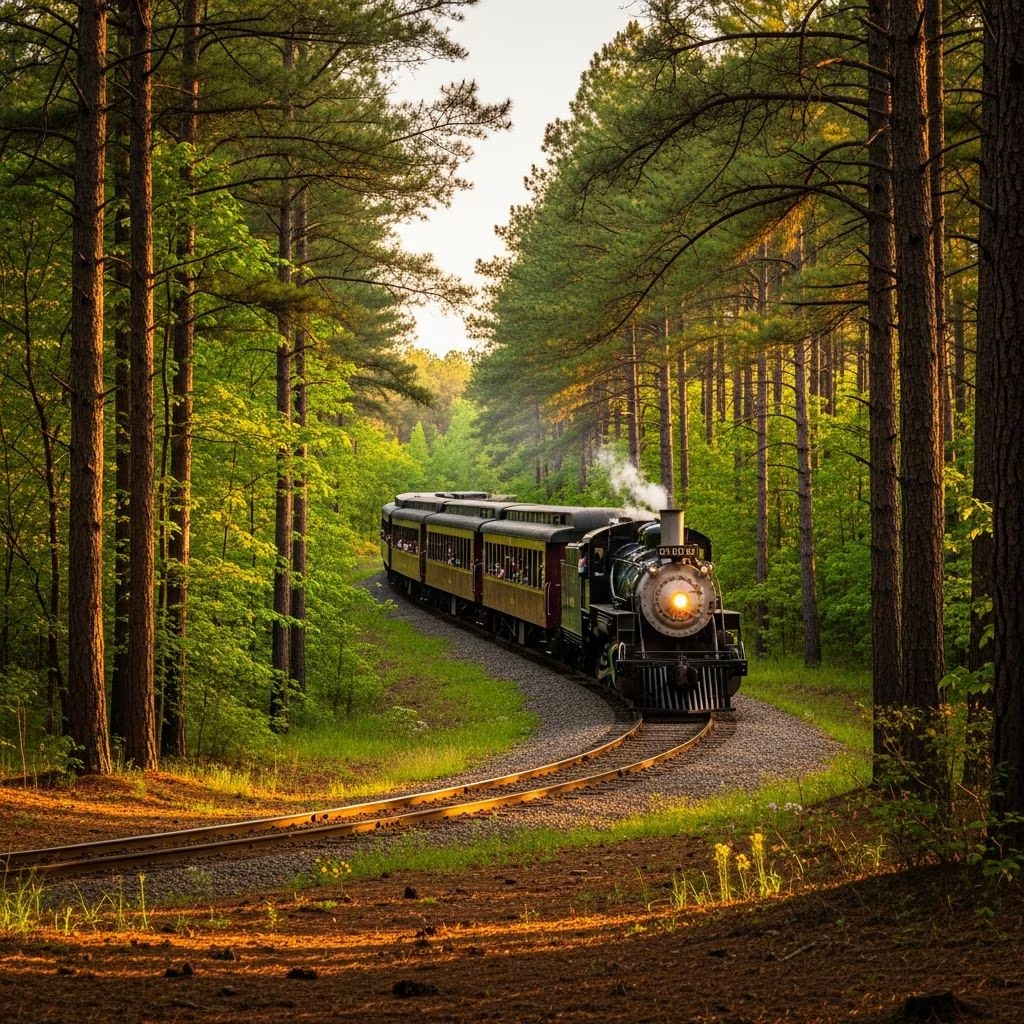
The Piney Woods region of East Texas, characterized by dense forests and rolling terrain, represents one of the most scenic corridors for contemporary rail journeys. This landscape, largely unchanged since the era of steam locomotives, provides an authentic backdrop for travelers seeking to experience transportation as it existed a century ago. The combination of natural beauty and historical authenticity creates an environment where modern travelers can temporarily step outside contemporary life and engage with preserved heritage.
Understanding Wine Train Experiences
Wine train experiences represent a specialized category of rail tourism that integrates multiple elements into cohesive packages. These journeys typically feature vintage or well-maintained locomotives and passenger cars, professional hospitality staff, curated wine selections from regional or state producers, and carefully planned routes through visually compelling terrain. The experiences function as mobile restaurants and tasting venues, allowing passengers to consume meals and beverages while observing changing landscapes through expansive windows.
The typical wine train excursion unfolds as a structured narrative with distinct phases. Initial departure from a historic depot marks the beginning of the journey, followed by the train’s progression through scenic countryside. Wine tastings commence during this initial travel period, introducing passengers to selected vintages with professional commentary. The journey typically includes an intermediate stop at a secondary location, often featuring outdoor dining opportunities and additional wine selections. The return journey provides time for passengers to reflect on experiences, converse with fellow travelers, and make purchases of full-serving wines to complete their preferences.
The Contemporary Wine Train Circuit
Texas operates multiple wine train experiences across different regions, each with distinct characteristics and itineraries. These excursions cater to adult audiences, typically restricting participation to individuals aged 21 and older to maintain an environment focused on wine appreciation and refined hospitality. The experiences accommodate various budgets and comfort preferences through tiered seating arrangements, from standard coach accommodations to exclusive private cars.
The duration of typical wine train journeys extends approximately four hours for round-trip excursions, including travel time and layovers at intermediate destinations. This timeframe balances the desire to traverse meaningful distances through scenic landscapes with practical constraints regarding meal service and wine appreciation activities. The pacing allows passengers to experience landscape transitions, consume multiple courses of food, participate in structured wine tastings, and engage in social interaction without excessive time commitments.
Culinary Integration and Dining Experiences
Wine train experiences distinguish themselves through carefully orchestrated meal service that complements beverage selections. Dining aboard moving trains presents logistical challenges that trained staff manage through precise timing and preparation. Menus typically feature appetizers served during initial travel segments, substantial dinner courses prepared at or near stopping points, and desserts offered during return journeys.
The culinary approach emphasizes pairing food selections with available wines, elevating the gastronomic experience beyond simple meal consumption. Appetizers generally precede wine tastings, preparing the palate for flavor profiles and establishing a foundation for subsequent evaluations. Dinner service typically occurs at ground-level facilities near secondary rail depots, allowing passengers to enjoy meals in stable environments while maintaining the experiential theme of the overall journey. Beverages accompanying meals include water, tea, and coffee, with additional alcoholic and non-alcoholic options available for individual purchase.
Seating Classifications and Comfort Levels
Wine train operators structure pricing and availability around differentiated seating categories, allowing travelers to select accommodations matching their preferences and budgets. Understanding these classifications helps potential passengers make informed decisions about their travel experience.
| Seating Category | Primary Features | Passenger Capacity | Distinctive Amenities |
|---|---|---|---|
| Standard Coach | Booth-style seating, large windows, table service | 4 passengers per booth | Temperature control, restroom facilities |
| First Class | Enhanced booth seating, dedicated service, large windows | 4 passengers per booth | Climate control, private restroom access, attentive staff |
| Presidential Cars | Art Deco styling, intimate table service, premium windows | 2-4 passengers depending on configuration | Temperature regulation, private outdoor viewing platforms |
| Dome Car | Glass-top design, booth seating, panoramic views | Multiple passengers per level | Unobstructed sightlines, climate control, on-site restroom |
| Private Caboose | Individual seating, cupola viewing area, exclusive environment | Up to 8 passengers | Private outdoor platform, dedicated attendant, climate control, private restroom |
Each seating category receives identical core inclusions—appetizers, wine tastings, dinner service, and commemorative glassware—ensuring equitable experience delivery across all passengers. The variations reflect comfort levels, sightline quality, and service intensity rather than differential wine or food quality. Premium seating categories justify higher pricing through enhanced environmental comfort, more personalized service attention, and superior viewing opportunities.
Texas Wine Producers and Tasting Protocols
Wine train experiences feature selections from Texas vineyards, showcasing the state’s growing reputation as a wine-producing region. Texas viticulture benefits from diverse microclimates, varied soil compositions, and increasingly sophisticated production techniques that yield competitive wines across multiple categories. Featuring Texas producers supports regional economic development while introducing passengers to locally crafted beverages.
Wine tastings aboard trains typically employ standardized protocols that facilitate structured comparison and learning. Sample portions, standardized at two-ounce servings, allow passengers to evaluate multiple wines without excessive alcohol consumption during travel. Professional staff provide contextual information about each featured wine, discussing production methods, flavor profiles, and pairing recommendations. This educational component elevates tastings beyond casual consumption, enabling passengers to develop informed preferences and potentially make purchase decisions for full-service bottles available during return journeys.
Landscape and Route Considerations
The Piney Woods region traversed by East Texas wine trains encompasses approximately 25 miles of track connecting Palestine and Rusk, Texas. This route passes through terrain characterized by dense forestry, subtle elevation changes, and preserved natural landscapes that have remained largely unchanged for generations. The relatively moderate speed at which trains operate through this region allows passengers to observe landscape details that high-speed travel would obscure.
Route planning incorporates stops at secondary rail depots that serve as venues for intermediate service elements. These facilities, often restored historic structures, provide stable locations for meal service and additional wine selections. The architectural character of these depots contributes to the overall experiential narrative, connecting contemporary travelers to earlier transportation eras.
Seasonal Scheduling and Availability
Wine train experiences operate on seasonally adjusted schedules that account for weather conditions, passenger demand patterns, and operational considerations. Texas wine trains typically offer multiple excursions throughout the year, with increased frequency during spring and fall seasons when weather conditions optimize outdoor activities and scenic appreciation. Summer operations may reduce frequency due to heat considerations, while winter scheduling maintains availability for travelers seeking holiday-period experiences.
Advance reservations prove essential for popular wine train experiences, as these excursions typically reach capacity well before scheduled departure dates. Operators frequently establish booking deadlines to permit logistical planning, ingredient procurement for meal service, and staff scheduling. Potential passengers should monitor official scheduling announcements and secure reservations promptly to ensure availability on desired dates.
Frequently Asked Questions
What age restrictions apply to wine train experiences?
Participants must be 21 years or older to join wine train excursions, as these experiences center on wine appreciation and adult-oriented hospitality. This age requirement ensures a consistent demographic and maintains the refined atmosphere operators seek to cultivate.
Are non-alcoholic beverage options available?
Yes, wine train experiences accommodate non-drinkers and those preferring non-alcoholic options. Water, tea, coffee, and other beverages are included in standard packages or available for individual purchase, ensuring all passengers enjoy comparable hospitality regardless of alcohol preferences.
Can passengers bring companions if they do not drink wine?
Absolutely. Non-wine-drinking companions may participate fully in wine train experiences, enjoying the culinary service, scenic routes, and social atmosphere. They may order non-alcoholic beverages and participate in all activities except wine tastings, though some passengers choose to taste wines despite not being regular consumers.
How far in advance should reservations be made?
Operators recommend making reservations as early as possible, as popular dates and premium seating categories frequently sell out weeks or months before scheduled departures. Early booking ensures preferred seating options and guarantees participation on specific dates.
What items should passengers bring aboard?
Comfortable clothing appropriate for dining and outdoor observation proves essential. Passengers may wish to bring sunscreen, cameras, and personal items for comfort during the four-hour journey. Operators typically advise against bringing outside beverages or food items, as comprehensive catering is provided as part of the experience.
Planning Your Wine Train Adventure
Prospective passengers should begin planning wine train experiences by researching available dates, reviewing seating options, and understanding what inclusions appear in their chosen package. Contacting operators directly enables clarification of specific questions regarding dietary restrictions, accessibility accommodations, or special requests that might enhance personalized experiences.
Photography enthusiasts should recognize that wine train experiences offer exceptional opportunities for landscape and detail photography. The large windows characteristic of most seating categories facilitate unobstructed sightlines for capturing scenic views. Planning photography goals in advance enables passengers to position themselves strategically for optimal photographic opportunities during various journey segments.
Wine train experiences function exceptionally well as celebration venues for anniversaries, retirement parties, milestone birthdays, or other special occasions. The refined atmosphere, extended duration, and integrated hospitality services create memorable settings for marking significant life events with valued companions.
References
- Wine in the Pines 2026 — Texas State Railroad. April 2026. https://texasstaterailroad.net/wine-res/
- Wine in the Pines Event Details — Texas State Railroad. 2026. https://texasstaterailroad.net/events/wine-in-the-pines/
- Texas State Railroad Overview — Texas State Railroad. 2026. https://texasstaterailroad.net
- Wedding Oak Wine Flyer Experience — Austin Steam Train Association. 2026. https://www.austinsteamtrain.org/special-events/wine-train/
- Pints in the Pines Event Information — Texas State Railroad. 2026. https://texasstaterailroad.net/events/pints-in-the-pines/
On This Page
The Historical Significance of Rail Travel in Texas Understanding Wine Train Experiences The Contemporary Wine Train Circuit Culinary Integration and Dining Experiences Seating Classifications and Comfort Levels Texas Wine Producers and Tasting Protocols Landscape and Route Considerations Seasonal Scheduling and Availability Frequently Asked Questions Planning Your Wine Train Adventure← Previous
15+ Nintendo Travel Destinations Inspired by Mario, Zelda & Pokémon
Next →
Islamorada Travel Guide: Top Things to Do in the Florida Keys
Related Reading
More in Food & Culture
Food & Culture Food & Culture
 Food & Culture
Best Places to Eat in Rome: Neighborhood Dining Guide
 Food & Culture
 Food & Culture