


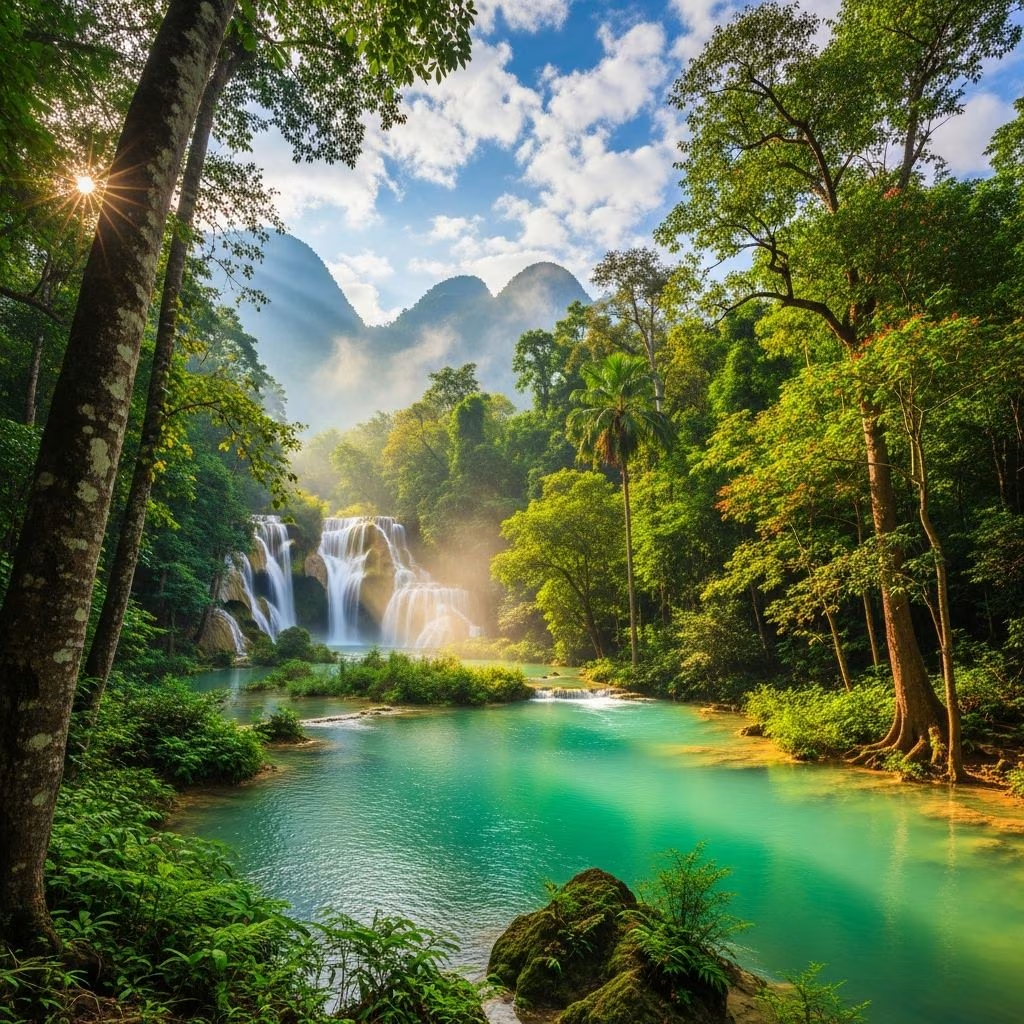
Thailand stands as one of Southeast Asia’s most biodiverse nations, hosting over 100 officially designated national parks that span from misty northern highlands to sun-drenched southern coastlines. These protected areas represent some of the region’s most pristine ecosystems, offering visitors unparalleled opportunities to experience authentic Thai wilderness while encountering rare wildlife and ancient cultural sites. Whether you seek adrenaline-pumping jungle adventures, serene temple explorations, or peaceful nature retreats, Thailand’s national parks deliver unforgettable experiences across varied landscapes and climates.
The Heritage and Significance of Thailand’s Protected Parks System
Thailand’s commitment to environmental conservation began in 1962 with the establishment of its inaugural national park, marking a pivotal moment in the nation’s dedication to preserving natural heritage for future generations. Today, the park system encompasses diverse ecosystems ranging from lowland rainforests to alpine meadows, coastal marine environments, and limestone karst formations. These protected territories serve dual purposes as ecological sanctuaries and tourism destinations, generating significant revenue while maintaining critical habitats for endangered species. The parks collectively protect millions of acres of pristine wilderness, functioning as crucial wildlife corridors and carbon sinks in an increasingly urbanized region.
Understanding Thailand’s Largest and Most Visited Protected Areas
The scale and diversity of Thailand’s parks vary dramatically, from massive expanses covering nearly 3,000 square kilometers to smaller specialized reserves focused on particular ecosystems or species. The largest protected area encompasses diverse landscapes including lush rainforests, towering mountain ranges, and cascading waterfalls, covering approximately 1,125 square miles of unspoiled terrain. In contrast, the most frequently visited park attracts thousands of tourists annually who come specifically for its accessibility from major population centers, varied recreational activities, and abundant wildlife viewing opportunities. These statistics underscore how Thailand balances conservation with sustainable tourism development.
Strategic Location and Accessibility Factors
Geographic positioning plays a crucial role in determining visitor patterns and park popularity. Certain protected areas benefit from proximity to Bangkok and other major cities, making them ideal destinations for weekend excursions and short-term visits. Others, nestled in remote northern or southern regions, appeal to adventurous travelers seeking more secluded wilderness experiences. Transportation infrastructure, accommodation availability, and tour operator presence all influence which parks achieve highest visitor numbers versus which remain relatively undiscovered. Understanding these access dynamics helps visitors choose parks matching their comfort levels and time constraints.
Mountain Highlands: Alpine Adventures and Panoramic Vistas
Thailand’s northern parks feature dramatic mountainous terrain crowned by the nation’s highest peaks. These highland sanctuaries showcase distinctive ecosystems adapted to cooler temperatures, including pine forests, temperate grasslands, and unique alpine flora found nowhere else in the country. The towering peaks reaching over 8,400 feet elevation create extraordinary visual experiences, particularly during cooler months when mist blankets valleys while only mountaintops pierce through the clouds, creating an otherworldly landscape often photographed and celebrated.
Hiking and Trekking Opportunities
Mountain parks feature extensively developed trail systems accommodating all fitness levels, from leisurely nature walks to challenging multi-day expeditions. Professional guides lead groups through pristine forests, past cascading streams, and to panoramic viewpoints revealing breathtaking vistas across multiple provinces. These trekking experiences provide intimate encounters with subtropical and temperate ecosystems rarely experienced by casual tourists. The cooler mountain climate offers welcome relief from Thailand’s typically tropical heat, making these parks especially appealing during warm seasons.
Rainforest Ecosystems: Biodiversity Hotspots and Wildlife Sanctuaries
Thailand’s vast rainforest reserves represent some of Asia’s most ecologically significant protected areas, harboring extraordinary species diversity found nowhere else on Earth. These dense tropical forests provide critical habitat for iconic megafauna including tigers, elephants, and bears, alongside countless smaller creatures adapted to forest life. The rainforest parks function as ecological laboratories where scientists study complex ecosystem interactions and conservation biologists work toward preserving endangered populations. These protected forests also play essential roles in maintaining regional hydrological cycles and climate regulation.
Nocturnal Wildlife Viewing Experiences
Specialized night tours represent unique attractions unavailable in most other tropical destinations. These carefully guided excursions venture into rainforest depths after dark, revealing an entirely different ecosystem dominated by nocturnal species. Visitors encounter bats in flight, deer moving through underbrush, and occasionally glimpse big cats patrolling their territories. These guided night experiences require professional leadership for both safety and ethical wildlife viewing, ensuring minimal disturbance to natural animal behavior while maximizing visitor thrills and educational opportunities.
Magnificent Waterfall Systems
Rainforest parks feature elaborate waterfall complexes fed by year-round water sources flowing from highland catchments. These cascades range from delicate single-drop falls to massive multi-tiered systems creating dramatic water shows, particularly during rainy seasons when water volumes surge dramatically. Swimming holes below waterfalls offer refreshing respite, while visitors can hike to upper levels accessing different perspectives on these geological features. Some waterfalls have achieved legendary status, earning colorful local designations and attracting dedicated travelers seeking specific formations.
Unique Accommodation and Activity Integration in Jungle Settings
Certain parks have pioneered distinctive hospitality models integrating visitors directly into natural environments. Floating bungalow accommodations on scenic waterways provide immersive jungle experiences unavailable through conventional hotels. These specialized lodgings require water-based access, typically via traditional longtail boats, adding adventure elements to the arrival process itself. Such integrated accommodation models allow visitors to experience genuine jungle immersion while maintaining reasonable comfort standards, appealing to adventurous travelers unwilling to sacrifice basic amenities. Evening boat excursions from these jungle bases frequently reward participants with extraordinary wildlife sightings and sunset vistas over pristine waters.
Avian Paradises and Ornithological Wonders
Several Thai parks have earned recognition as premier birdwatching destinations, harboring bird species diversity exceeding that found across entire nations. These protected areas contain greater avian diversity than entire European countries, making them pilgrimage sites for serious ornithologists and casual bird enthusiasts alike. Specialized birdwatching tours employ experienced guides capable of identifying hundreds of species and understanding seasonal migration patterns. The combination of diverse habitat types within single parks—from open grasslands to dense forests to wetland areas—supports unusually high species counts. Seasonal variations create dynamic viewing opportunities, with different species present during distinct times of the year.
Coastal and Marine Protected Realms
Thailand’s southern parks extend protection across island archipelagos and shallow marine environments, creating unique ecosystems distinct from inland reserves. These coastal sanctuaries combine terrestrial attractions with marine activities including snorkeling, diving, and reef exploration. Island parks feature limestone formations creating dramatic seascapes while protecting delicate mangrove ecosystems and coral communities. Marine protected areas within these parks safeguard populations of reef sharks, tropical fish species, and other sea creatures rarely encountered by landlocked visitors.
Water-Based Activities and Marine Exploration
Coastal parks facilitate diverse water-based experiences ranging from casual snorkeling in shallow reefs to more challenging diving expeditions exploring deeper marine ecosystems. These protected waters maintain healthier fish populations and more intact coral systems compared to unregulated fishing areas, offering visitors superior underwater viewing opportunities. Traditional longtail boats and modern snorkeling vessels transport visitors to prime reef locations where crystal-clear waters reveal vibrant marine life. Seasonal variations affect water clarity and creature visibility, with certain months providing optimal conditions for underwater exploration.
Religious and Cultural Landmarks Within Protected Areas
Many Thai parks contain significant Buddhist temples and spiritual sites, blending natural conservation with cultural preservation. Ancient cave temples adorned with religious imagery create unique pilgrimage destinations combining spiritual significance with dramatic natural settings. These sites attract diverse visitors including devout pilgrims, cultural enthusiasts, and casual tourists interested in Thailand’s rich religious heritage. The integration of sacred spaces within protected environments creates compelling visitor experiences addressing both spiritual interests and nature appreciation. Some temples within parks feature distinctive architectural styles and historical significance extending back centuries.
Seasonal Considerations and Optimal Visiting Periods
Thailand’s tropical monsoon climate creates distinct seasonal variations affecting park conditions, wildlife visibility, and visitor experiences. Cooler, drier months typically provide optimal conditions for hiking and outdoor activities, while rainy seasons transform landscapes through lush vegetation growth and dramatically increased water flows. Mountain parks offer exceptional conditions during cool seasons when mist effects create photogenic landscapes. Waterfall parks reach peak spectacle during rainy periods when water volumes surge, though hiking can become challenging due to slippery conditions. Understanding seasonal dynamics helps visitors choose appropriate timing for specific park types and desired activities.
Diverse Mammalian Populations and Wildlife Encounters
Beyond charismatic megafauna, Thai parks protect dozens of mammal species ranging from primates to carnivores to specialized forest dwellers. Reported mammal species counts within individual parks reach into the dozens, reflecting exceptional biodiversity. These protected populations depend on maintained habitat integrity and minimal human disturbance. Professional guides increase visitor chances of wildlife encounters while ensuring ethical observation practices minimizing stress on animals. Different species demonstrate varying activity patterns and habitat preferences, requiring guide expertise for successful location and viewing.
Practical Guide to Visiting Thailand’s Protected Parks
Preparation and Pre-Visit Planning
- Research destination parks based on personal interests, fitness levels, and time availability to identify optimal choices
- Check seasonal conditions affecting accessibility, weather, and wildlife visibility during planned visit dates
- Book accommodations early, particularly for popular parks during peak seasons when capacity fills quickly
- Arrange transportation from major cities, considering hiring private drivers or joining organized tour groups
- Obtain necessary permits if required and verify park entry requirements in advance
During Park Visits
- Employ professional guides for safety, enhanced educational experiences, and optimized wildlife viewing
- Follow designated trails to minimize environmental impact and reduce hazards in unfamiliar terrain
- Respect wildlife by observing from safe distances and avoiding feeding or direct animal contact
- Pack essential supplies including water, sun protection, insect repellent, and appropriate footwear
- Bring binoculars and cameras for wildlife observation and photography opportunities
Frequently Asked Questions About Thai National Parks
What is the best time to visit Thai national parks?
Optimal visiting periods vary by park location and visitor preferences. Northern highland parks offer ideal conditions during cool season months from November through February, while coastal parks accommodate visitors year-round. Waterfall parks achieve peak visual impact during rainy seasons despite increased hiking difficulty.
Do I need special permits to visit Thai national parks?
Most parks allow free or low-cost entry for casual visitors. Specialized activities like night safaris or guided expeditions may require advance booking and additional fees. International visitors should verify entry requirements at specific parks before arrival.
Can I encounter dangerous wildlife in these parks?
While Thailand’s parks contain predatory species, dangerous encounters remain exceptionally rare for visitors following guide instructions and staying on designated trails. Professional guides possess training for wildlife management and safety protocols. Park authorities maintain predator management strategies protecting both visitors and animals.
What accommodation options exist within or near park boundaries?
Options range from basic government bungalows to luxury eco-lodges to specialized floating accommodations. Parks near major cities offer diverse private accommodations, while remote parks may provide limited government facilities. Advance booking ensures desired accommodation types and optimal location access.
Are guided tours mandatory or optional?
While independent exploration of main trails remains possible, professional guides significantly enhance safety, wildlife viewing success, and educational value. Specialized activities like night tours require guide participation. Most visitors benefit substantially from guide expertise and local knowledge.
References
- 6 of the best national parks in Thailand — Lonely Planet. Accessed 2026-04-24. https://www.lonelyplanet.com/articles/best-national-parks-thailand
- The 10 Must-Visit National Parks in Thailand — GetYourGuide. Accessed 2026-04-24. https://www.getyourguide.com/explorer/thailand-ttd169040/national-parks-in-thailand/
- Thailand’s Top 5 National Parks — Thinking Nomads. Accessed 2026-04-24. https://thinkingnomads.com/thailands-top-5-national-parks/
- Guide to Thailand’s national parks — Audley Travel US. Accessed 2026-04-24. https://www.audleytravel.com/us/thailand/country-guides/national-parks-in-thailand

