

Food & Culture Stays Travel Essentials Travel Guides Trip Ideas
Categories
From the Blog
Remy’s Ratatouille Adventure at EPCOT: Ride Review, Tips & 2D Update
Travel Essentials

Thailand Packing List 2026: Essentials for Every Season

Comprehensive 2026 packing guide for Thailand: clothing for temples and tropics, must-have gear for safety, health essentials, and tips for every region from Bangkok to islands.
Travel Essentials

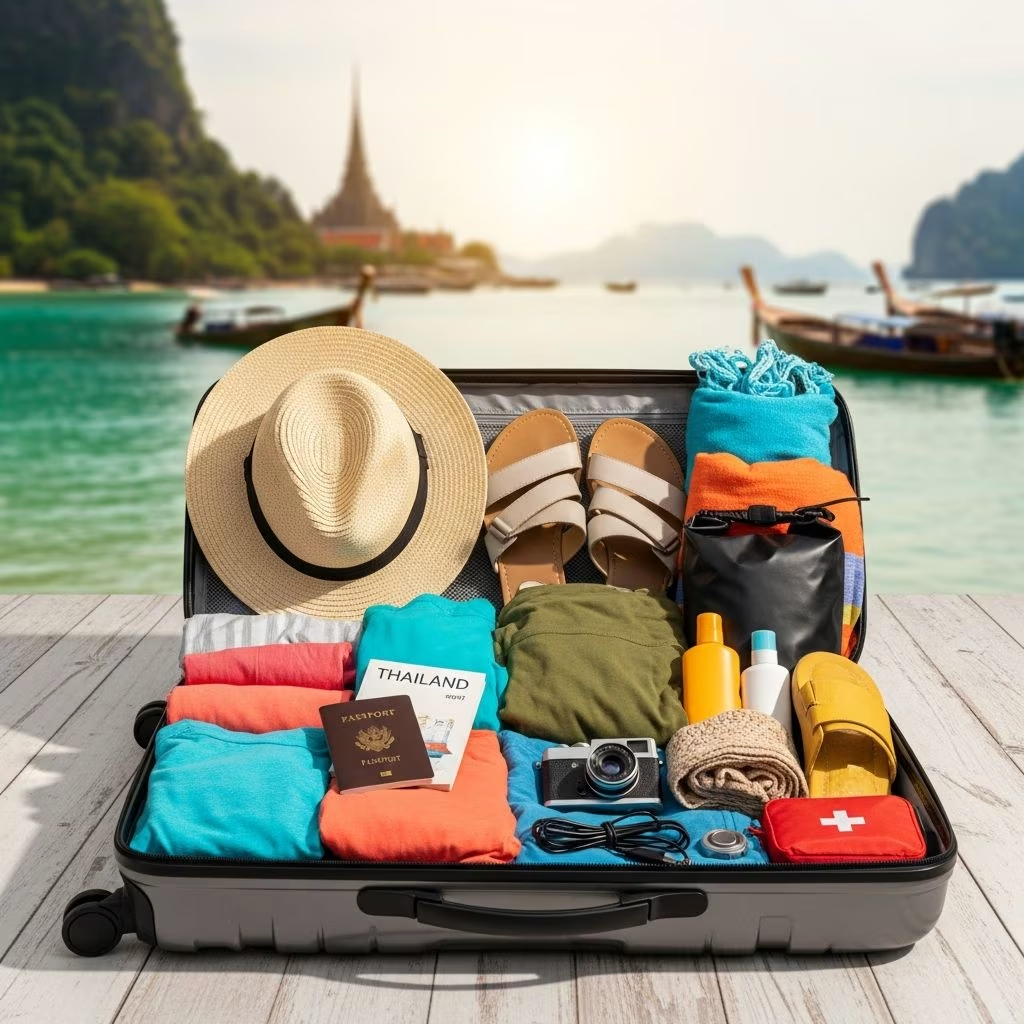
Planning a trip to Thailand requires thoughtful preparation due to its diverse landscapes, from bustling urban centers like Bangkok to serene island beaches and misty northern mountains. This guide outlines key items to pack for a seamless 2026 journey, focusing on versatility, cultural respect, and practical needs across seasons and regions. Tailor your luggage to the tropical climate, temple etiquette, and adventure activities while keeping it lightweight for easy mobility on buses, boats, and ferries.

Core Travel Documents and Money Essentials

Start with the non-negotiables that ensure smooth entry and financial security. Thailand’s entry rules mandate a passport valid for at least six months beyond your stay, so verify this early. Carry travel insurance covering medical emergencies, trip cancellations, and activities like snorkeling or trekking, as local healthcare can be costly for foreigners.

  • Passport and visa (if required for stays over 30 days)
  • Printed and digital copies of itinerary, hotel bookings, and insurance policy
  • Debit/credit cards (notify your bank of travel dates to avoid blocks)
  • Cash in Thai Baht (ATMs are widespread, but carry small bills for markets and street food)
  • Secondary ID like a driver’s license for rentals or check-ins

For 2026, expect digital check-ins at airports, so download apps for immigration and e-wallets popular in Thailand like TrueMoney or PromptPay for seamless transactions.

Clothing for Thailand’s Varied Climates and Customs

Thailand’s weather swings from hot and humid (average 28-35°C) to rainy monsoons (May-Oct) and cooler northern evenings. Prioritize breathable, quick-dry fabrics like cotton or linen. Crucially, respect temple dress codes: cover shoulders, chest, and knees—no shorts or tank tops inside sacred sites. A sarong or scarf doubles as a cover-up and beach wrap.

Region/ActivityRecommended ClothingQuantity Suggestion
Temples & Cities (Bangkok, Chiang Mai)Long pants/skirts, loose long-sleeve shirts, maxi dresses3-4 outfits
Beaches & Islands (Phuket, Koh Phi Phi)Swimwear (2-3 sets), board shorts, rash guards, cover-upsRotate to allow drying
North/Jungles (Pai, Doi Inthanon)Light hoodie, long pants for evenings/mosquitos1-2 layers
All AreasHat, sunglasses, lightweight rain jacket1 each

Pack minimally: laundry services cost under $2 per load everywhere. Women should bring tampons, as Western-style ones are scarce. Men: opt for versatile swim trunks that work as shorts.

Footwear Choices for Urban Streets and Trails

Comfortable, easy-off shoes are vital for frequent temple visits where footwear is removed. Avoid heavy boots unless hiking extensively; Thailand’s paths demand grip without bulk.

  • Slip-on sandals or flip-flops for beaches, showers, and temples
  • Breathable sneakers for walking tours and light hikes
  • Waterproof hiking sandals for island treks or boat trips

Break them in pre-trip to prevent blisters in the heat.

Health, Hygiene, and Protection Gear

Tropical threats like intense sun, mosquitoes (dengue risk), and variable sanitation demand proactive packing. Use reef-safe sunscreen (SPF 50+) to protect marine life at snorkel spots. Insect repellent with DEET is essential year-round, especially in rural areas.

  • Reef-safe sunscreen, lip balm with SPF
  • Insect repellent spray/wipes
  • Travel-size toiletries: toothbrush, toothpaste, deodorant, shampoo
  • Tissues, wet wipes, hand sanitizer (public restrooms often lack supplies)
  • Mini first-aid kit: band-aids, pain relievers, anti-itch cream, anti-diarrheal, motion sickness pills
  • Reusable water bottle + purification tablets (tap water unsafe)
  • Electrolyte packets for hydration during heat or treks

For women: menstrual products. All: consider vaccinations like hepatitis A/B and typhoid, per CDC guidelines for Southeast Asia.

Electronics and Tech Must-Haves

Stay connected amid long travel days with reliable power. Thailand uses Type A/B/C plugs (220V); a universal adapter is key.

  • Smartphone + charger (download offline maps like Maps.me)
  • Portable power bank (10,000mAh for all-day use)
  • Universal adapter and multi-port charger
  • Local SIM/eSIM or portable Wi-Fi (buy at airports for cheap data)
  • Waterproof dry bag for phone/camera on boats
  • Optional: compact camera or GoPro for underwater shots

Enable international roaming as backup, but local SIMs offer better value.

Bags and Packing Organization

Mobility is king in backpacker-friendly Thailand. Choose a durable 40-50L backpack with rain cover for main luggage.

  • Main backpack (lockable zippers)
  • Daypack or cross-body bag for daily essentials (secure against pickpockets)
  • Packing cubes or compression bags for organization
  • Waterproof dry sacks for electronics and wet swimsuits
  • Foldable tote for souvenirs (plastic bags banned)

Pack cubes by category: clothes, toiletries, electronics—to streamline repacking.

Activity-Specific Gear for Adventures

Tailor extras to your itinerary. Beach-hoppers need snorkel masks for hygiene; trekkers want headlamps.

  • Microfiber quick-dry towel
  • Personal snorkel gear (optional, rent available)
  • Portable fan for humid city days
  • Travel pillow and earplugs for overnight buses/trains
  • Snacks/energy bars for remote spots
  • Mini LED flashlight or headlamp

For Muay Thai or yoga: athletic wear that covers modestly.

Packing Tips by Season and Duration

Dry Season (Nov-Apr): Emphasize sun protection; lighter layers suffice.
Rainy Season (May-Oct): Rain jacket, umbrella, and dry bags essential—monsoons are short bursts.
Short Trips (1-2 weeks): 7 days’ clothes max.
Long Stays (1+ months): Minimalist core + buy locally.

Weigh luggage under 7kg for domestic flights/ferries to avoid fees.

FAQs

What is the dress code for Thai temples?

Shoulders, chest, and knees must be covered. Use a sarong or scarf as a quick fix.

Do I need vaccinations for Thailand?

Recommended: Hepatitis A/B, typhoid; check CDC for updates. Malaria pills for remote borders.

Can I drink the tap water?

No—use bottled or purified via tablets.

How much cash should I carry?

5,000-10,000 THB daily for rural areas; cards accepted in cities.

What’s the best backpack size?

40L for most; expandable for souvenirs.

Sustainable Packing Practices

Opt for reusable items: metal straws, cloth bags. Avoid single-use plastics per national bans. Support reef-safe products to preserve dive sites.

References

  1. Getting prepped: the ultimate Thailand packing list — G Adventures. 2023. https://www.gadventures.com/blog/thailand-packing-list/
  2. (With Free Checklist) Thailand Packing List You’ll Need in 2026 — Custom Asia Travel. 2026. https://customasiatravel.com/thailand-packing-list-with-free-checklist
  3. The Only Packing List for Thailand You’ll Ever Need — Under30Experiences. 2023. https://under30experiences.com/blog/complete-packing-list-for-thailand
  4. The Ultimate Thailand Packing List — The Gay Globetrotter. 2023. https://www.thegayglobetrotter.com/thailand-packing-list/
  5. Thailand Packing List 2025: Essentials You’ll Need — CabinZero. 2025. https://www.cabinzero.com/blogs/packing-list/thailand-packing-list
  6. What to Pack for Thailand: 9 Must-Pack Items According to Locals — TakeMeTour. 2023. https://www.takemetour.com/article/what-to-pack-for-thailand
SN
Sneha Tete
Sneha is a relationships and lifestyle…

Sneha is a relationships and lifestyle writer with a strong foundation in applied linguistics and certified training in relationship coaching. She brings over five years of writing experience to CultureTreker,  crafting thoughtful, research-driven content that empowers readers to build healthier relationships, boost emotional well-being, and embrace holistic living.Her writing and insights reflect the belief that beauty, happiness, and wellness begin from within, through the harmonious balance of the mind, body, and heart. With a background in instructional design and research writing, Sneha transforms complex topics into practical insights that are easy to understand and apply.Sneha has also self-published a novella on adolescent mental health, highlighting her ability to navigate emotionally layered topics with nuance and empathy. When she's not writing, you'll find her exploring storytelling through photography, diving into K-dramas, or enjoying quiet moments with her family and friends.

← Previous
12 Safest Countries to Retire Abroad for US Expats
‹›
