

 Travel Essentials
 Travel Essentials

Complete Thailand travel guide covering Bangkok, Chiang Mai, island destinations, cultural attractions, dining experiences, and practical travel tips for first-time visitors.
 Travel Essentials
Thailand stands as one of Southeast Asia’s most captivating destinations, drawing travelers with its intoxicating blend of ancient tradition, vibrant urban energy, and pristine natural landscapes. The country presents a remarkable diversity of experiences, from the chaotic street markets and temple complexes of Bangkok to the serene mountain temples of northern regions and the crystalline waters surrounding its island communities. Whether you’re seeking spiritual enlightenment, culinary adventures, or beach relaxation, Thailand delivers authentic experiences that extend far beyond typical tourist narratives.
Thailand’s geography organizes itself into distinct regions, each offering unique characteristics and travel experiences. The capital region centers on Bangkok, a sprawling metropolis that embodies the country’s modernization while maintaining deep cultural roots. Moving northward, Chiang Mai and Chiang Rai present cooler climates, mountain landscapes, and preserved traditional architecture. The southern regions comprise the Andaman Coast and Gulf islands, featuring dramatic limestone formations, turquoise waters, and relaxation-focused tourism infrastructure.
Understanding these geographic divisions helps travelers structure their journeys efficiently. The northern tier requires more time for exploration due to distance and the nature of activities available. The central region provides quick day-trip possibilities from Bangkok. The southern islands demand at least several days to experience properly, though some travelers dedicate weeks to island-hopping and water-based activities.
Bangkok serves as Thailand’s primary entry point and remains essential for any comprehensive Thai experience. This massive urban center combines frenetic energy with spiritual quietude, presenting contradictions that define modern Thailand. The city accommodates over eight million residents and attracts millions of visitors annually, yet manages to preserve neighborhoods that feel worlds apart from tourist zones.
Northern Thailand presents a dramatic departure from Bangkok’s intensity. The region’s cooler climate, mountain terrain, and preserved traditional communities attract visitors seeking cultural depth and outdoor adventure. Chiang Mai functions as the northern hub, offering convenient access to experiences ranging from urban exploration to jungle-based activities.
Chiang Mai combines bustling markets, hundreds of temples, artisan workshops, and outdoor activities. The city’s old town contains temples dating centuries back, while modern neighborhoods support thriving creative communities. The relaxed atmosphere contrasts sharply with Bangkok’s frenetic pace, attracting visitors seeking extended stays.
Further north, Chiang Rai offers contemporary temple architecture rising from misty mountain landscapes. The city serves as a gateway to the Golden Triangle region where Thailand, Laos, and Myanmar converge. Wat Rong Khun (the White Temple) presents surreal architectural forms that challenge conventional temple aesthetics.
The Maekok River cruise provides boat-based exploration past riverside villages and agricultural landscapes, revealing daily life beyond tourism infrastructure. Hill tribe villages near Chiang Rai offer immersive cultural exchanges where visitors learn traditional weaving, silverwork, and agricultural practices directly from community members.
Thailand’s coastline stretches over 1,600 kilometers, supporting numerous beach and island communities. The Andaman Coast and Gulf of Thailand present distinctly different characteristics, from quiet island-hopping destinations to developed resort towns.
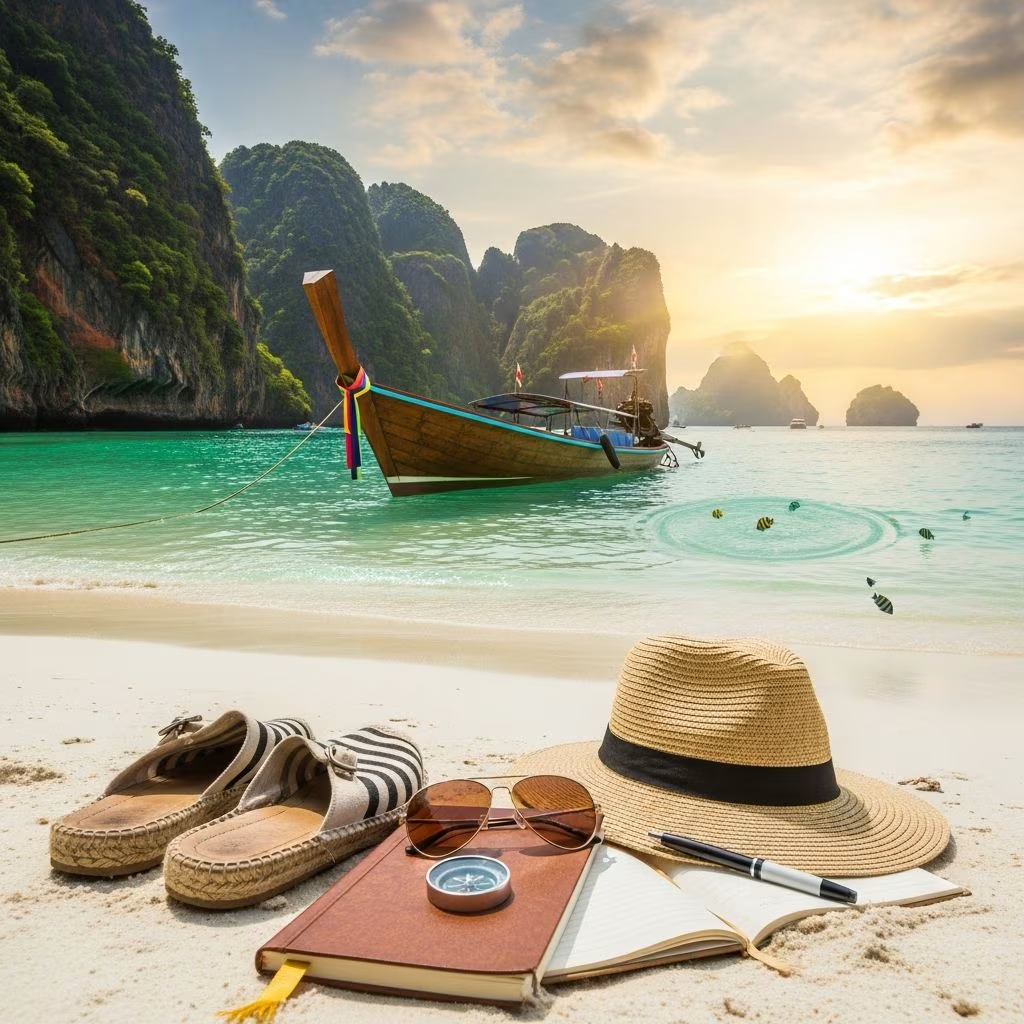
Krabi’s dramatic landscape features towering limestone cliffs rising directly from turquoise waters, creating photogenic seascapes that justify Thailand’s beach reputation. The region supports diverse tourism styles, from adventure activities to relaxation-focused retreats.
Phuket balances development with cultural preservation, maintaining Portuguese-influenced old town architecture alongside modern resort complexes. The island accommodates visitors across various budgets and preferences.
Phuket Old Town presents pastel-colored Sino-Portuguese buildings, boutique cafés, local design shops, and street art installations that reveal the island’s historical commercial importance. Beyond tourist zones, local neighborhoods provide glimpses of authentic island life.
Koh Samui anchors itself in wellness retreats, spa facilities, and relaxed beach clubs catering to visitors seeking rejuvenation. The island combines tourism infrastructure with natural attractions.
Thailand’s regions support various day-trip possibilities, allowing visitors to experience attractions without permanently relocating accommodations.
Ayutthaya, located approximately one hour from Bangkok, preserves temples and palace ruins from Thailand’s second kingdom period. The site holds UNESCO World Heritage designation, recognizing its historical significance.
Sukhothai requires either a one-hour flight or five-hour overland journey from Bangkok but rewards the effort with quiet temple environments and lotus-lined ponds. The Sukhothai Historical Park represents Thailand’s first capital, containing architectural styles predating current Thai forms.
Thai cuisine extends far beyond pad thai served in international restaurants. Regional variations emphasize different ingredients, preparation techniques, and flavor profiles. Northern Thai dishes favor sticky rice and curry preparations distinct from southern seafood-based specialties.
Cooking classes paired with market visits teach practical skills while building understanding of ingredient selection and preparation philosophies. Floating markets in regions like Amphawa demonstrate traditional commerce methods while offering fresh produce and prepared dishes.
| Days | Location | Activities |
|---|---|---|
| 1-2 | Bangkok | Arrival, temple visits, market exploration, river navigation |
| 3 | Ayutthaya Day Trip | Historical temple ruins, palace complexes |
| 4-6 | Chiang Mai/Chiang Rai | Mountain temples, market visits, jungle trekking |
| 7-10 | Krabi/Islands | Beach relaxation, kayaking, island hopping |
| 11-14 | Koh Samui | Wellness activities, marine parks, beach time |
Visitors with limited time should prioritize either northern cultural experiences or southern beach relaxation rather than attempting comprehensive coverage. A week allows meaningful exploration of 2-3 regions without exhausting travel days on transportation.
Thailand’s tropical climate features monsoon seasons affecting different regions differently. The cool season (November-February) presents ideal conditions, while April heat reaches extremes. Understanding regional rainfall patterns helps optimize activity planning.
Thailand offers accommodation ranging from luxury resorts to budget hostels. Northern cities and island destinations support extensive guesthouse networks, while Bangkok and major tourist zones offer international hotel standards. Mid-range hotels provide excellent value, combining comfort with affordability.
Thailand’s internal transportation includes flights connecting major cities, buses serving regional routes, and trains offering scenic overland journeys. Bangkok’s mass transit system includes the BTS elevated train and MRT subway, facilitating city navigation without taxis or personal vehicles.
The cool season from November through February provides ideal weather conditions with lower humidity and minimal rainfall. April marks peak heat, while May through October brings monsoon seasons. However, shoulder seasons offer fewer crowds and lower accommodation costs.
Two weeks allows meaningful exploration of multiple regions, though 10 days suffices for concentrated experiences. Longer stays enable deeper cultural immersion and relaxation.
Thailand maintains well-established tourism infrastructure with extensive solo traveler communities. Standard travel precautions apply regarding valuables and late-night activities. Tourist police assist visitors experiencing difficulties.
Reputable elephant sanctuaries prioritize animal welfare through natural habitat environments and rescue operations. Avoid attractions involving elephant performances or riding, which cause animal suffering.
Thailand rewards both spontaneous exploration and detailed planning. The country’s diverse regions accommodate various travel styles, from luxury resort experiences to budget backpacking adventures. Whether prioritizing cultural immersion, culinary exploration, natural wonders, or relaxation, Thailand presents options satisfying virtually any travel preference. Successful journeys balance planned highlights with flexibility for unexpected discoveries that often define the most memorable travel experiences.
