

 Travel Essentials
 Travel Essentials

Thailand’s plastic bag ban is cutting waste, changing shopper habits, and boosting reusable alternatives in a major move toward sustainability.
 Travel Essentials
Thailand has emerged as a leader in the global fight against plastic pollution with its comprehensive ban on single-use plastic bags. Implemented in phases starting in 2020, this policy targets major retailers and convenience stores, significantly cutting down on plastic waste while fostering innovative consumer behaviors. The initiative reflects a broader commitment to environmental protection in a nation renowned for its stunning beaches and vibrant markets.
The roots of Thailand’s plastic bag ban trace back to escalating concerns over marine pollution and landfill overflow. In 2019, a nationwide campaign successfully reduced plastic bag usage by approximately 2 billion units, equivalent to 5,765 tons of material diverted from the waste stream. This pre-ban effort set the stage for the formal prohibition, which took effect on January 1, 2020, at large department stores, supermarkets, and popular chains like 7-Eleven.
Government agencies, particularly the Ministry of Natural Resources and Environment, spearheaded the transition. Recognizing plastics’ devastating impact on Thailand’s coastal ecosystems—where bags often end up polluting turquoise waters and harming wildlife—the policy aimed to normalize refusal of free bags. Public awareness drives equated plastic use with social taboos, using provocative ads to shift cultural norms.
The ban’s structure ensures gradual adaptation. Initially, it applied to major commercial outlets, giving smaller vendors time to prepare. By 2021, the regulations expanded to include neighborhood shops and local markets, creating a unified front against single-use plastics. This stepwise approach minimized disruption while maximizing compliance.
Today, in 2026, the policy stands as a cornerstone of Thailand’s sustainability framework, with ongoing monitoring to assess long-term efficacy.
Far from mere compliance, Thais have embraced the ban with ingenuity. Shoppers now arrive at stores with an array of unconventional carriers, turning necessity into spectacle. Viral videos capture scenes of traffic cones repurposed as bags, suitcases dragged through aisles, and baskets fashioned from everyday items. These adaptations highlight resilience and humor in the face of change.
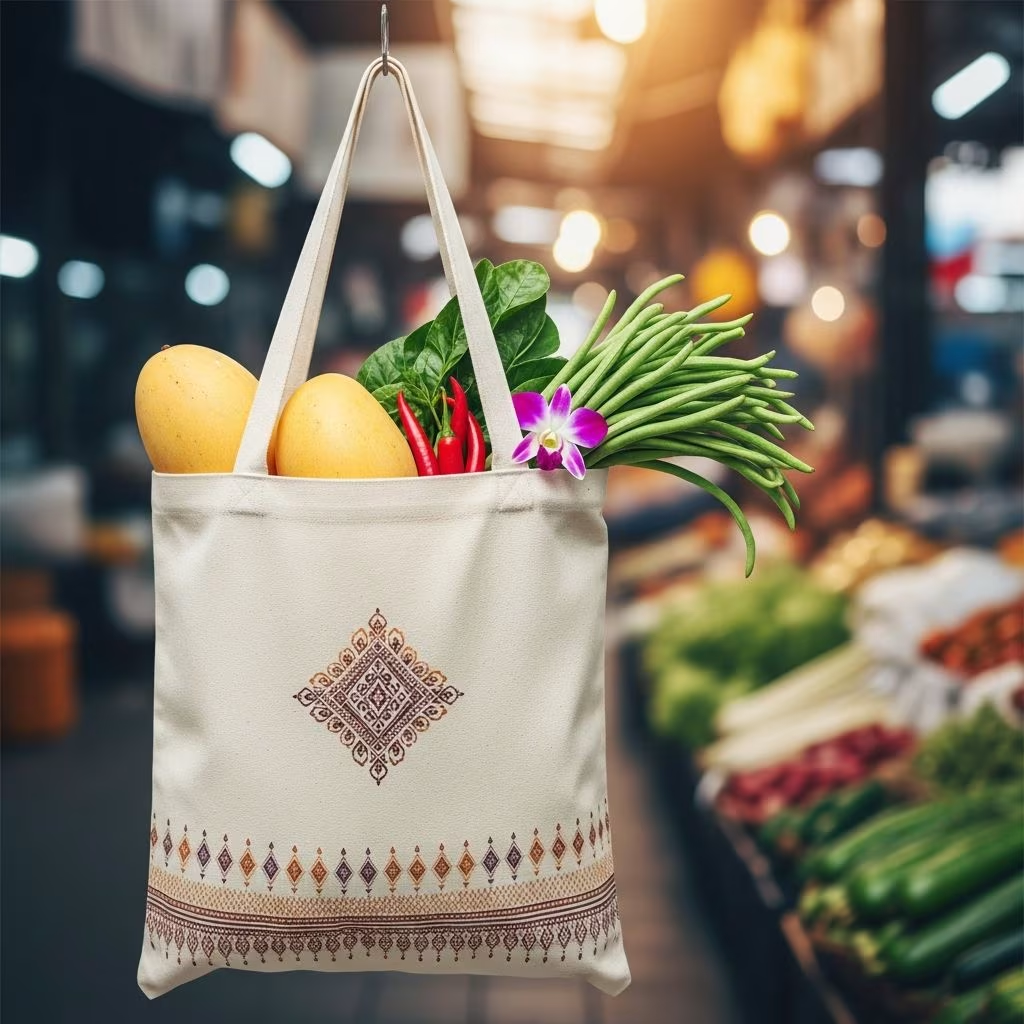
Reusable cloth bags have surged in popularity, often sold on-site for a nominal fee. Some markets offer biodegradable options made from local materials like banana leaves or cornstarch. This shift not only reduces waste but also stimulates green entrepreneurship, with vendors crafting personalized totes emblazoned with Thai motifs.
The ban’s impact is measurable and profound. The 2019 campaign alone prevented 2 billion bags from entering circulation, a figure that has grown exponentially post-ban. Thailand’s beaches, once littered with plastic debris, now show cleaner shorelines, benefiting tourism—a sector vital to the economy.
| Year | Plastic Bags Reduced | Tons Saved | Key Milestone |
|---|---|---|---|
| 2019 | 2 billion | 5,765 | Pre-ban campaign |
| 2020 | >3 billion (est.) | >8,000 | Major retailer ban |
| 2021+ | Ongoing | Accumulative | Full nationwide rollout |
These reductions align with global goals, such as the UN’s Sustainable Development Goals, particularly those targeting ocean health.
Not all aspects have been seamless. Small vendors initially struggled with sourcing alternatives, and rainy season shopping posed logistical hurdles for bag-less customers. Consumer habits die hard; early resistance came from those accustomed to gratis conveniences. However, education campaigns and incentives—like discounts for reusables—accelerated acceptance.
Critics argue enforcement varies by region, with urban Bangkok more compliant than rural areas. Yet, overall adherence remains high, bolstered by fines for non-compliance and community-led initiatives.
For travelers, the ban transforms the shopping experience. Visitors to bustling markets like Chatuchak or floating markets must plan ahead, packing foldable bags or purchasing on-site. This encourages mindful consumption, aligning with eco-tourism trends. Hotels and resorts now provide reusable totes as amenities, enhancing guest sustainability.
In daily life, the policy has rippled into other habits: reduced straw use, biodegradable packaging in food stalls, and community cleanups. Thailand’s move inspires neighbors like Vietnam and Indonesia, fostering regional cooperation on plastic treaties.
Thailand’s market brims with substitutes:
Innovations include bags embedded with seeds that grow into plants when planted, blending utility with reforestation.
Thailand joins Kenya, Rwanda, and parts of Europe in banning single-use plastics. Unlike fee-based systems in the UK, Thailand’s outright prohibition sends a stronger message. As a top plastic polluter in Southeast Asia, its leadership could cut regional ocean plastic by significant margins.
Major retailers since 2020; smaller ones from 2021 onward. Exceptions for medical packaging.
Buy a reusable one (typically 5-20 baht) or carry items by hand.
Yes, up to 100,000 baht for repeated violations.
Positively, with eco-conscious travelers praising the initiative.
Expansions to foam containers and straws by 2024-2025.
Looking ahead, Thailand plans to monitor progress via waste audits and consumer surveys. Integration with circular economy models—recycling plants and upcycling hubs—promises deeper impact. International partnerships, like those with the UN Environment Programme, will amplify efforts.
The plastic bag ban exemplifies policy-driven behavioral change. By 2030, Thailand aims for zero single-use plastics in key sectors, setting a benchmark for developing nations.
