


 Food & Culture
Food & Culture
The Best Wine Bars and Bodegas in Madrid
Discover Madrid's diverse wine establishments, regional Spanish varieties, and expert recommendations for experiencing authentic wine culture in Spain's capital city.
 Food & Culture
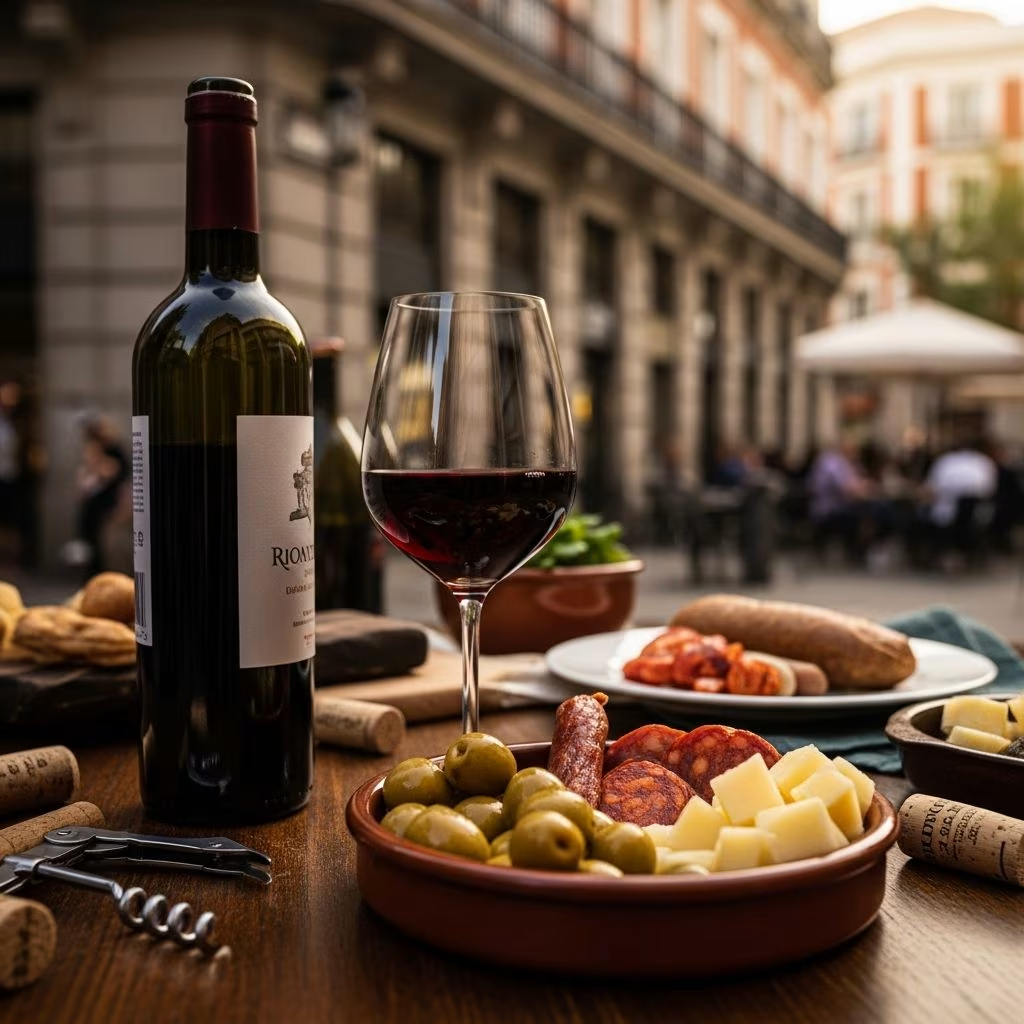
Madrid’s relationship with wine runs deeper than casual consumption—it represents centuries of Spanish tradition, regional pride, and evolving contemporary aesthetics. The capital city offers an extraordinary range of establishments where visitors and locals alike can engage with wine in multiple contexts, from centuries-old bodegas serving simple glasses of sherry to curated modern wine bars showcasing lesser-known Spanish producers. Understanding Madrid’s wine landscape requires familiarity with both the historical foundations that shaped drinking traditions and the innovative approaches that have transformed the city’s wine scene in recent years.
Understanding Spanish Wine Regions and Local Preferences
When entering a typical Madrid bar, customers generally encounter a limited but strategic selection of red wines. The two most prevalent options—Rioja and Ribera del Duero—dominate Spanish wine culture for good reason, representing distinct regions with established reputations for quality. These selections reflect practical considerations rather than arbitrary choices; they represent reliable quality at accessible price points that appeal to everyday drinkers.
Rioja wines, produced in northern Spain’s Basque region, offer characteristics that emphasize elegance and complexity, particularly when aged in oak barrels. Producers in this region have cultivated a reputation for consistency and innovation, with quality levels spanning from accessible everyday wines to investment-caliber reservas. The region’s designation system ensures transparency regarding aging and production methods, allowing consumers to predict flavor profiles based on classification.
Ribera del Duero, located further west along the Duero River, produces wines with different characteristics than their Rioja counterparts. The region’s cooler climate and distinctive terroir create wines with heightened tannin structure and darker fruit profiles. Many Madrid establishments favor Ribera del Duero selections because the region’s numerous producers maintain competitive pricing without sacrificing quality, making it easier for bars to stock excellent wines at prices that encourage regular consumption rather than special-occasion drinking.
The prevalence of these two regions in Madrid establishments demonstrates how geography influences drinking culture. Both regions lie within reasonable proximity to the capital, making distribution efficient and costs manageable. This geographic advantage translates directly to consumer benefits through competitive pricing and consistently available inventory.
Historic Bodegas: Foundations of Madrid Wine Tradition
Madrid’s oldest wine establishments carry cultural significance extending beyond their function as drinking venues. These historic bodegas represent continuity with Spanish wine traditions spanning generations, often maintaining original architectural features and operating methods that preserve authenticity.
La Venencia stands as one of Madrid’s most iconic establishments, operating continuously since the 1920s as a dedicated sherry bar. This venue exemplifies the traditional bodega concept—a space specifically designed around wine appreciation, with emphasis on sherry as the primary offering. The venue’s longevity demonstrates sustained consumer interest in specialized wine experiences alongside the region’s broader wine culture.
Casa Gerardo represents another pillar of Madrid’s wine heritage, having operated for approximately a century with physical features—including large wooden wine vats—that reflect its historical origins. These vessels serve both functional and aesthetic purposes, creating an environment where wine production methods become visible reminders of traditional approaches.
Historic bodegas typically maintain several distinguishing characteristics:
- Limited but carefully curated wine selections reflecting regional specialties
- Minimal pretension in décor and service approach
- Deep-rooted connections to specific wine regions or production methods
- Pricing structures that encourage frequent visits rather than occasional celebrations
- Atmospheres conducive to conversation and social gathering
Contemporary Wine Bars: Innovation and Curation
Madrid’s modern wine establishments approach wine service differently from traditional bodegas, emphasizing curation and exploration of lesser-known producers. These venues attract professionals within the wine industry alongside enthusiastic amateurs, creating communities organized around wine appreciation rather than incidental consumption.
Taberna Angelita exemplifies the contemporary approach to wine bar operation, managed by brothers who have established the venue as a destination for Madrid’s wine professionals. The establishment distinguishes itself through exceptional food preparation using premium ingredients, paired with wine selections spanning lesser-known regions and producers. The inclusion of a dedicated cheese trolley creates structured tasting opportunities, while an underground cocktail speakeasy provides alternative options for guests seeking non-wine beverages.
La Caníbal represents the cutting edge of Madrid’s wine innovation, operating within a neighborhood renowned for cultural advancement. The establishment incorporates modern sustainability practices into its wine service model, dispensing wine directly from taps supplied through bespoke bag-in-box containers sourced from vineyards personally visited by the procurement team. This approach reduces packaging waste while allowing for frequent rotation of available selections, creating dynamic menus that shift based on seasonal availability.
Taberna Laredo maintains a twenty-five-year track record of operation within Madrid’s premier food-focused neighborhood, with particular emphasis on wine expertise among its management. The venue hosts private blind tastings for attendees representing serious wine industry professionals, indicating the establishment’s credibility within Madrid’s wine community.
Taberna Averías, despite its deliberately humble name referencing mechanical breakdowns, manages to stock over four hundred distinct wines within minimal physical space. This density of selection requires sophisticated inventory management and curation, suggesting the venue prioritizes accessibility to diverse options over comfortable accommodation of large groups.
Strategic Neighborhood Locations and Wine Culture
Madrid’s wine establishments concentrate within neighborhoods known for broader food and beverage excellence, creating districts where wine appreciation exists as part of comprehensive culinary tourism rather than isolated activity. The barrio de Ibiza within the Retiro district functions as Madrid’s premier destination for affluent diners, while Calle Ponzano in Chamberí serves similar functions for younger demographics, with concentrated wine bar density that encourages movement between venues.
Museum-Adjacent Options provide strategic value for cultural tourists. Vinoteca Moratin operates as an intimate alternative to larger establishments, offering ideal recovery spaces after morning visits to the Prado Museum. The venue’s owner personally selects the approximately eighty wines in its collection, bringing formal wine education credentials (WSET certification) to curation decisions. Comparable functionality exists through Vinoteca Garcia de Navarra, another post-gallery option emphasizing intimate service and curated selections.
Food and Wine Pairing Approaches
Contemporary Madrid wine venues increasingly emphasize synergistic relationships between wine selections and food offerings rather than treating beverages and cuisine as separate components of the dining experience. This integrated approach reflects broader trends within Spanish gastronomy, particularly the influence of haute cuisine movements on casual dining establishments.
High-quality cured meats and artisanal cheeses feature prominently across multiple venues, providing natural pairing opportunities that enhance wine appreciation without requiring complex preparations. Casa Gonzalez, a picturesque establishment within the Leon neighborhood, exemplifies this approach through extensive selections of both local and international cured products available in various portion sizes, encouraging customers to construct personalized tasting experiences.
Modern venues incorporate additional protein options and prepared dishes that create more adventurous pairing possibilities. Masa offers octopus gildas—Spanish tapas combining octopus with piparra peppers and anchovy—alongside craft wine selections. Gota presents seasonal menus specifically designed around wine pairings, with recommendations such as Pequeños y Salvajes selections from the Gredos region. These structured approaches guide customers toward wine selections that might not emerge through casual browsing.
Specialized Concepts and Niche Market Focus
Madrid’s wine scene accommodates increasingly specialized interests within dedicated venues. Natural wine bars attract customers seeking minimal intervention production methods and unconventional flavor profiles. Vinyl records accompanying wine service at establishments like Gota create multisensory experiences extending beyond taste alone, appealing to customers valuing ambient atmosphere as integral to their dining experience.
Wine and vinyl combinations represent deliberate curation strategies that acknowledge contemporary consumer interests in retro aesthetic elements combined with contemporary wine trends. These venues operate as lifestyle destinations rather than purely functional beverage service points.
Regional Wine Discoveries and Lesser-Known Producers
Beyond the familiar Rioja and Ribera del Duero selections available at casual bars, Madrid’s specialized wine venues stock extensive selections from lesser-known Spanish regions worthy of exploration. The Gredos region in central Spain produces distinctive wines often overlooked by casual consumers despite quality comparable to more famous appellations. Cooperative cuvées and collaborative releases between established wine producers and restaurant operations provide entry points for customers seeking to expand their palates beyond conventional selections.
Price Accessibility and Consumer Democracy
Spanish wine’s reputation for exceptional value relative to international competitors applies particularly within Madrid’s wine establishments. This pricing structure reflects both production economics and cultural attitudes toward wine as essential component of dining rather than luxury luxury item reserved for special occasions. Affordable pricing encourages regular consumption and experimentation with unfamiliar producers, creating accessible pathways for customers to develop wine knowledge through repeated experience rather than expensive formal tastings.
Practical Planning for Wine Enthusiasts
Reservation Requirements: Contemporary wine bars increasingly require advance booking, particularly during peak dining hours and weekends. Taberna Angelita explicitly recommends reservations, reflecting consistent demand among Madrid’s wine-focused population.
Service Expertise: Many venues employ staff trained in formal wine education frameworks (such as WSET certification), ensuring recommendations emerge from structured knowledge rather than personal preference alone. This professionalization of wine service distinguishes contemporary establishments from traditional bodegas emphasizing casual service models.
Neighborhood Navigation: Visitors benefit from choosing base neighborhoods aligned with their priorities. Food-focused tourists might concentrate on Retiro district locations, while younger travelers might prioritize Chamberí’s Calle Ponzano concentration. Museum visitors should plan itineraries incorporating Vinoteca Moratin or similar post-gallery venues.
Language Considerations: While many wine professionals speak English, smaller traditional establishments may operate primarily in Spanish. Basic wine terminology in Spanish facilitates communication and demonstrates respect for local customs.
Emerging Trends in Madrid Wine Culture
Madrid’s wine scene continues evolving toward greater sustainability consciousness, natural wine production methods, and experiential diversification. Zero-waste service models incorporating draft wine systems represent practical manifestations of these broader environmental concerns. Specialty pairings incorporating non-traditional protein options and contemporary cooking techniques reflect influences from Madrid’s broader culinary innovation scene.
References
- A Wine Lover’s Guide to Drinking in Madrid — The Making of Madrid. March 24, 2025. https://www.themakingofmadrid.com/2025/03/24/a-wine-lovers-guide-to-drinking-in-madrid/
- Madrid for Wine Lovers — Jancis Robinson. https://www.jancisrobinson.com/articles/madrid-wine-lovers
On This Page
Understanding Spanish Wine Regions and Local Preferences Historic Bodegas: Foundations of Madrid Wine Tradition Contemporary Wine Bars: Innovation and Curation Strategic Neighborhood Locations and Wine Culture Food and Wine Pairing Approaches Specialized Concepts and Niche Market Focus Regional Wine Discoveries and Lesser-Known Producers Price Accessibility and Consumer Democracy Practical Planning for Wine Enthusiasts Emerging Trends in Madrid Wine Culture← Previous
Jerusalem with Kids: A Family-Friendly Travel Guide
Next →
Reunification Express Vietnam: Route, Stops & Travel Guide
Related Reading
More in Food & Culture
Food & Culture Food & Culture
 Food & Culture
Best Places to Eat in Rome: Neighborhood Dining Guide
 Food & Culture
 Food & Culture