

 Travel Essentials
 Travel Essentials

Explore how Black travelers are transforming global tourism through intentional journeys, community-centered experiences, and demanding authentic representation in the travel industry.
 Travel Essentials
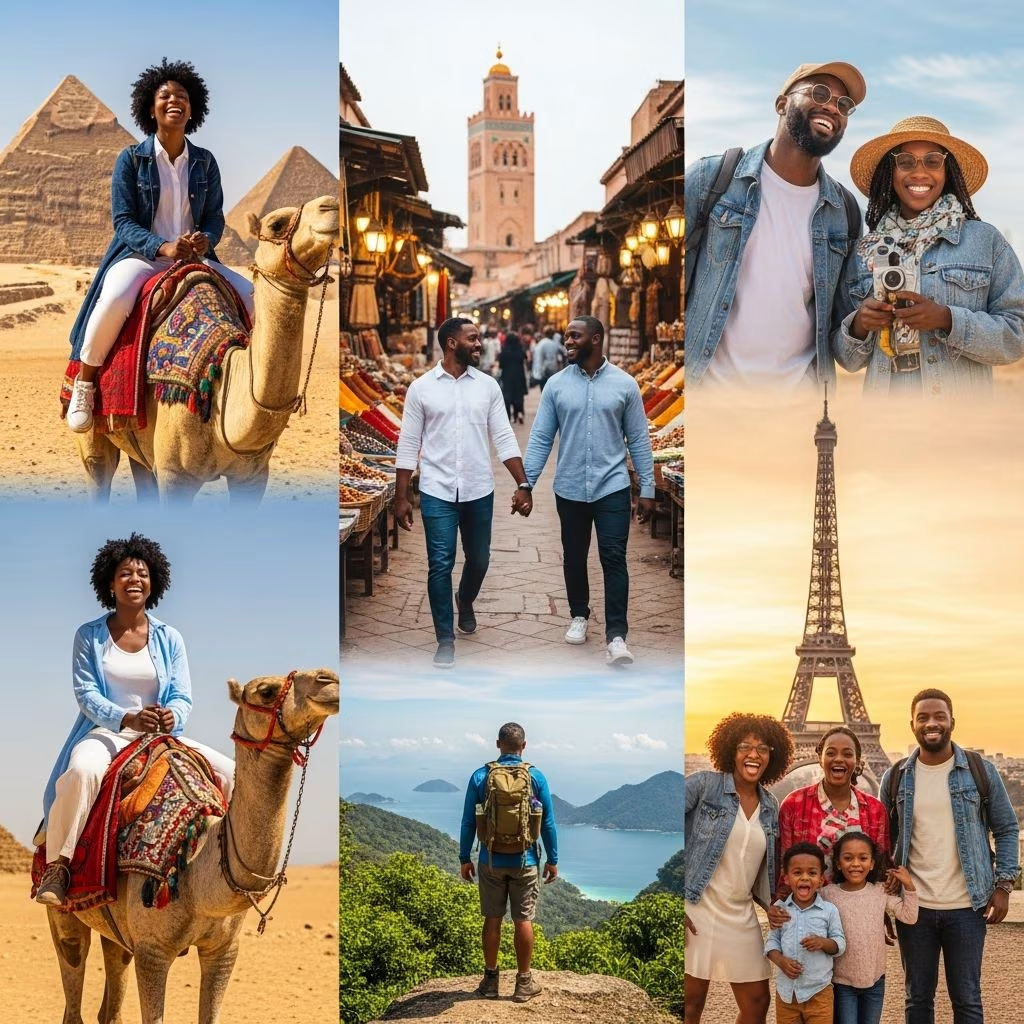
Travel has long served as an escape, an adventure, and a means of self-discovery. However, for Black travelers, the journey has often been complicated by questions of safety, representation, and authentic cultural connection. In recent years, a transformative shift has emerged—one that goes beyond simply choosing destinations. The contemporary Black travel movement represents a fundamental reimagining of how individuals explore the world, building communities, supporting Black-owned enterprises, and demanding meaningful representation from the travel industry.
This evolution reflects broader conversations about intentionality, cultural pride, and the desire to travel on one’s own terms. Rather than following mainstream tourism scripts, Black travelers are curating experiences that celebrate heritage, foster genuine connections, and contribute positively to the communities they visit.
One of the most significant changes in contemporary travel patterns is the move away from rushed, destination-heavy itineraries. The days of attempting to visit five cities in seven days are fading, replaced by a more deliberate approach that prioritizes depth over breadth. This transformation reflects a broader maturation in how people conceptualize travel itself.
Modern travelers, particularly within Black communities, are increasingly choosing longer stays in fewer locations. This approach allows for meaningful engagement with local cultures, genuine relationship-building with residents, and a more authentic understanding of a destination. Rather than checking boxes on a tourism checklist, contemporary travelers seek moments of connection—conversations in local markets, participation in community events, and time to simply inhabit a space rather than rush through it.
This intentional travel philosophy extends beyond destination selection. It encompasses considerations about environmental impact, local economic benefit, and cultural respect. Travelers are asking critical questions: Does my presence benefit this community? Am I respecting local customs and traditions? How can I travel in ways that align with my values?
A remarkable trend accompanying the broader travel movement is the rise of solo travel, particularly among Black women. Historically, women often delayed travel plans waiting for ideal companions or specific life circumstances. This dynamic has shifted dramatically. Solo travel is no longer perceived as a consolation prize for those without travel companions—it has become a deliberate choice reflecting personal autonomy and self-reliance.
Solo travel offers unique advantages: complete control over itinerary, the freedom to move at one’s preferred pace, and opportunities for genuine self-reflection. For many Black women travelers, solo journeys represent reclaiming agency over their experiences and rejecting societal pressures regarding how or when women should travel.
This trend has important implications for the travel industry. Hotels, airlines, and tour operators are increasingly recognizing solo travelers as a significant market segment with specific needs and preferences. The expansion of solo-friendly accommodations, safety-focused tour groups, and community-building travel experiences reflects this market shift.
Perhaps the most transformative aspect of the contemporary Black travel movement is its emphasis on representation and community voice. Black travelers are no longer quietly requesting inclusion—they are actively selecting destinations, services, and brands that demonstrate genuine respect, safety, and cultural understanding.
This demand for representation manifests in several ways:
Black travelers increasingly recognize their collective purchasing power and are leveraging it to effect change. By directing resources toward Black-owned businesses and culturally authentic experiences, the travel community creates economic incentives for the tourism industry to prioritize diversity and inclusion.
Contemporary travel patterns reveal evolving destination preferences among Black travelers. Traditional travel hubs remain popular, but emerging and underexplored locations are attracting increasing attention.
African Destinations: Rwanda has emerged as a significant draw, particularly the capital Kigali, offering accessibility, cultural richness, and growing Black expatriate communities. South Africa continues to attract travelers seeking the combination of natural beauty, cultural significance, and luxury experiences. The centennial celebration of Kruger National Park in 2026 adds particular appeal for wildlife enthusiasts and cultural explorers.
European Experiences: Scotland has gained unexpected prominence, sparked partly by viral social media moments celebrating Black Scottish heritage and culture. This has created momentum for what community members characterize as a family reunion with diaspora connections.
Caribbean and Central American Options: These regions maintain strong appeal due to historical connections, cultural affinity, warm climates, and growing availability of Black-owned hospitality and tour services.
Latin American Expansion: Mexico and other Latin American destinations are attracting Black travelers seeking lower cost of living, ease of access from the United States, and opportunities for extended stays with visa flexibility.
The Black travel movement has been amplified significantly through digital platforms and community-created content. Social media has democratized travel storytelling, allowing Black travelers to share experiences directly rather than relying on traditional media gatekeepers who historically underrepresented or misrepresented Black travel narratives.
Online communities dedicated to Black travel share practical information—visa requirements, safety considerations, budget recommendations, and authentic cultural insights. Content creators model different travel styles and destinations, expanding possibilities for community members who may lack traditional travel experience or family precedent.
This digital infrastructure also facilitates practical community support: travelers warn each other about safety concerns, share recommendations for welcoming establishments, celebrate diverse body representation in travel spaces, and create accountability for businesses that fail to provide inclusive, respectful experiences.
While the Black travel movement emphasizes joy, adventure, and cultural connection, discussions around safety and practical realities remain essential. Black travelers navigate complex considerations regarding personal safety, potential discrimination, healthcare access, and visa requirements that differ from experiences of other demographic groups.
Community resources increasingly address these factors directly. Travel guides tailored to Black travelers provide information about areas with welcoming communities, recommended healthcare facilities, cultural liaison contacts, and strategies for navigating potential discrimination. This practical information sharing enhances both safety and confidence among travelers.
The movement acknowledges that travel should not require constant vigilance or compromise on enjoyment, yet recognizes that preparedness and information-sharing enhance overall experiences and contribute to community safety.
The growing prominence of Black travelers has not gone unnoticed by the travel industry. Airlines, hotel chains, tour operators, and tourism boards are increasingly developing programming specifically oriented toward Black travelers. Some have hired diversity consultants, increased marketing to Black communities, and created partnerships with Black-owned travel businesses.
Industry events, including conferences and travel summits specifically focused on Black travel, have proliferated. These gatherings serve multiple functions: networking opportunities for travel entrepreneurs, education about cultural competency for industry professionals, and celebration of community achievements within the travel sector.
This industry response reflects recognition of Black travelers’ economic significance and the competitive advantage of authentic inclusion. Businesses that successfully build trust and loyalty within Black travel communities gain substantial benefits through word-of-mouth recommendations, repeat business, and positive community reputation.
Black women constitute a particularly dynamic segment within the contemporary travel movement. Curated travel experiences specifically designed for Black women have expanded dramatically, offering group tours throughout Africa, Asia, and Europe. These offerings typically emphasize sisterhood, luxury, cultural immersion, and spaces where participants can relax without managing racial dynamics.
Women-centered travel addresses specific considerations: safety in numbers, shared experiences of navigating the world as Black women, opportunities for networking and friendship, and spaces designed with particular attention to hair care, cultural sensitivity, and diverse body representation.
The emphasis on intentional travel within the Black travel movement aligns closely with sustainability considerations. Traveling slowly, supporting local businesses, and staying longer in fewer places all reduce environmental impact compared to rapid, mass-tourism models.
Beyond environmental sustainability, the movement prioritizes economic and cultural sustainability. By directing resources toward Black-owned businesses and community-based tourism initiatives, travelers ensure that their expenditures benefit residents rather than distant corporate headquarters. This model supports local economic development and creates incentives for communities to invest in preserving cultural heritage and natural resources.
The Black travel movement continues evolving, reflecting broader social conversations about representation, economic justice, and cultural pride. Several trends appear likely to intensify:
The movement reflects a fundamental truth: travel is not simply a luxury or escape. For many, it represents self-determination, cultural celebration, economic participation, and community solidarity. The contemporary Black travel movement embodies these values while actively reshaping global tourism toward greater authenticity, equity, and respect.
The Black travel movement encompasses intentional travel practices that prioritize cultural connection, community support, authentic representation, and personal agency. It reflects a shift away from rushed tourism toward meaningful engagement with destinations and commitment to supporting Black-owned businesses and community-centered experiences.
Black women are increasingly traveling solo by choice, rejecting historical pressures to wait for ideal companions or circumstances. Solo travel offers complete autonomy over experiences and has gained normalization through community support and expanded solo-friendly travel options.
Popular destinations include Rwanda and other African nations, South Africa, Scotland, Mexico, and various Caribbean and Central American locations. Selection criteria often include cultural significance, safety, cost considerations, and availability of welcoming communities.
The industry has responded through targeted marketing, hiring diversity professionals, creating partnerships with Black-owned businesses, developing women-centered travel experiences, and hosting conferences focused on Black travel. This reflects recognition of both economic significance and growing demand for inclusive, authentic services.
Digital platforms enable direct storytelling by Black travelers, community information-sharing about safety and recommendations, connection between travelers with common interests, and accountability for businesses. Online communities have democratized travel narratives and created practical support systems.
