

 Travel Essentials
 Travel Essentials

Discover how to bike NYC safely and efficiently: from choosing routes and bikes to mastering traffic rules, avoiding hazards, and joining community rides for an unforgettable urban adventure.
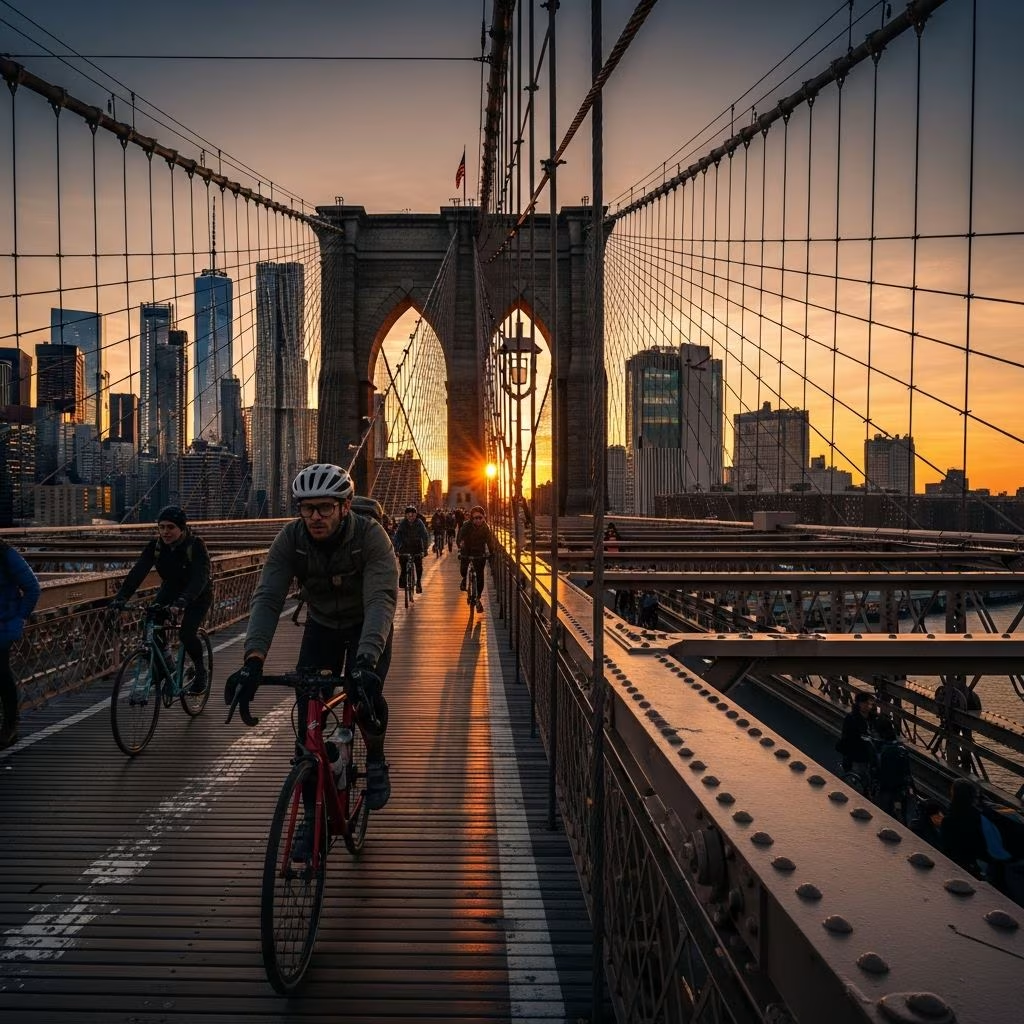 Travel Essentials
Navigating New York City by bicycle offers an exhilarating way to experience its iconic landmarks, diverse neighborhoods, and bustling energy. With over 1,200 miles of dedicated bike lanes and paths, NYC has evolved into a cyclist’s paradise, blending convenience with adventure. Whether you’re a beginner intimidated by the traffic or a seasoned rider seeking optimal routes, this guide equips you with practical knowledge to ride confidently.
Cycling in NYC beats gridlocked subways and pricey taxis in speed and cost. It’s an eco-friendly commute that lets you weave through skyscrapers, riverside paths, and historic districts at your own pace. Programs like Citi Bike make it accessible, with stations dotting Manhattan, Brooklyn, Queens, the Bronx, and Staten Island. Riders report zipping across town faster than walking or waiting for public transit, especially for distances under five miles.
Biking also promotes fitness amid urban hustle. A typical 30-minute ride burns calories while immersing you in the city’s pulse—from Central Park’s greenery to Brooklyn Bridge’s panoramic views. Safety has improved dramatically, thanks to expanded infrastructure and stricter enforcement of cyclist rights.
NYC’s bike-sharing system, Citi Bike, stands out for casual explorers. Launched in 2013, it boasts thousands of sturdy bikes at hundreds of stations. Opt for a 24-hour pass for flexibility—scan at a kiosk, unlock with a code, and go. Adjust the seat to hip height for comfort, check tire pressure, and test brakes before pedaling off. If issues arise, dock it and select another via the app.
For longer tours, rent specialized bikes from shops offering hybrids for streets or e-bikes for hills. Personal bikes work too, but ensure they’re urban-ready with puncture-resistant tires. Beginners might start with adult learn-to-ride classes at traffic-free centers, mastering balance, starting, stopping, and steering in two-hour sessions.
Stick to protected paths to build confidence. The Hudson River Greenway, a car-free gem on Manhattan’s west side, stretches 12 miles from Battery Park to Inwood, separated from pedestrians for smooth cruising. Pair it with the East River path for a 30-mile loop showcasing skyline views.
Use apps like Citi Bike’s for real-time routing, prioritizing bike lanes and greenways. Avoid peak rush hours (8-9 AM, 5-6 PM) on busy avenues; instead, climb numbered streets like First/Second Avenues (uptown) or Eighth/Ninth (downtown).
Helmets are non-negotiable—NYC law mandates them for under-14s, but adults should wear them too. Choose adjustable models fitting snugly. Front/rear lights boost visibility at dusk; bells alert pedestrians. Lock with U-locks through frame and wheel to fixed posts—avoid chains vulnerable to bolt cutters.
Pre-ride: Inflate tires, squeeze brakes, adjust saddle so toes touch ground when seated. Dress in layers for variable weather; gloves prevent blisters. Hydrate and pack a repair kit for flats.
Bikes are vehicles—obey signals, signs, and one-way streets. Ride with traffic flow, claiming the lane if needed for safety. Use protected lanes when available; if blocked, take the center.
| Signal | Arm Position | When to Use |
|---|---|---|
| Left Turn | Straight left arm out | 100 feet before turn |
| Right Turn | Left arm bent up 90° or right arm out | 100 feet before turn |
| Stop | Left arm down, palm out | Before slowing |
Yield to pedestrians always, especially at crosswalks. Ring your bell politely; pass behind them. “Doorings” threaten near parked cars—slow and scan 10 feet ahead.
Pro tip: With a walk signal, cyclists can proceed first during “leading pedestrian intervals.” Running reds? Only if clear of cars/peds, but it’s risky—momentum matters, yet lives don’t.
Steer clear of shoaling (cutting lines at lights), blocking crosswalks, or circling mid-intersection. Large trucks pose risks—keep distance, avoid weaving. Touristy spots like Times Square demand extra vigilance for erratic walkers.
Join clubs for camaraderie—groups host weekly rides, maintenance workshops, and the epic Five Boro Bike Tour (42 car-free miles across all boroughs). Socialize, swap tips, and gain confidence in packs.
Free clinics from Bike NYC teach advanced maneuvers like cornering and emergency stops. Track progress with apps logging miles and Strava segments for motivation.
Spring/fall ideal; winter demands studded tires for ice. Summer? Early mornings evade heat. Clean chains weekly, lube post-rain. Store indoors or covered.
Yes, with greenways and 1,200+ lane miles. Start in parks, use apps for routes.
$4.99 for 30-min rides; $24/day unlimited 30-min trips.
Yes, non-rush hours; fold if possible.
U-locks or heavy chains rated Gold by manufacturers.
Stations have air pumps; apps locate repair shops.
