

 Travel Essentials
 Travel Essentials

Explore how AI assistants, digital passports, smart luggage, AR navigation, and more are reshaping global travel for efficiency and immersion.
 Travel Essentials
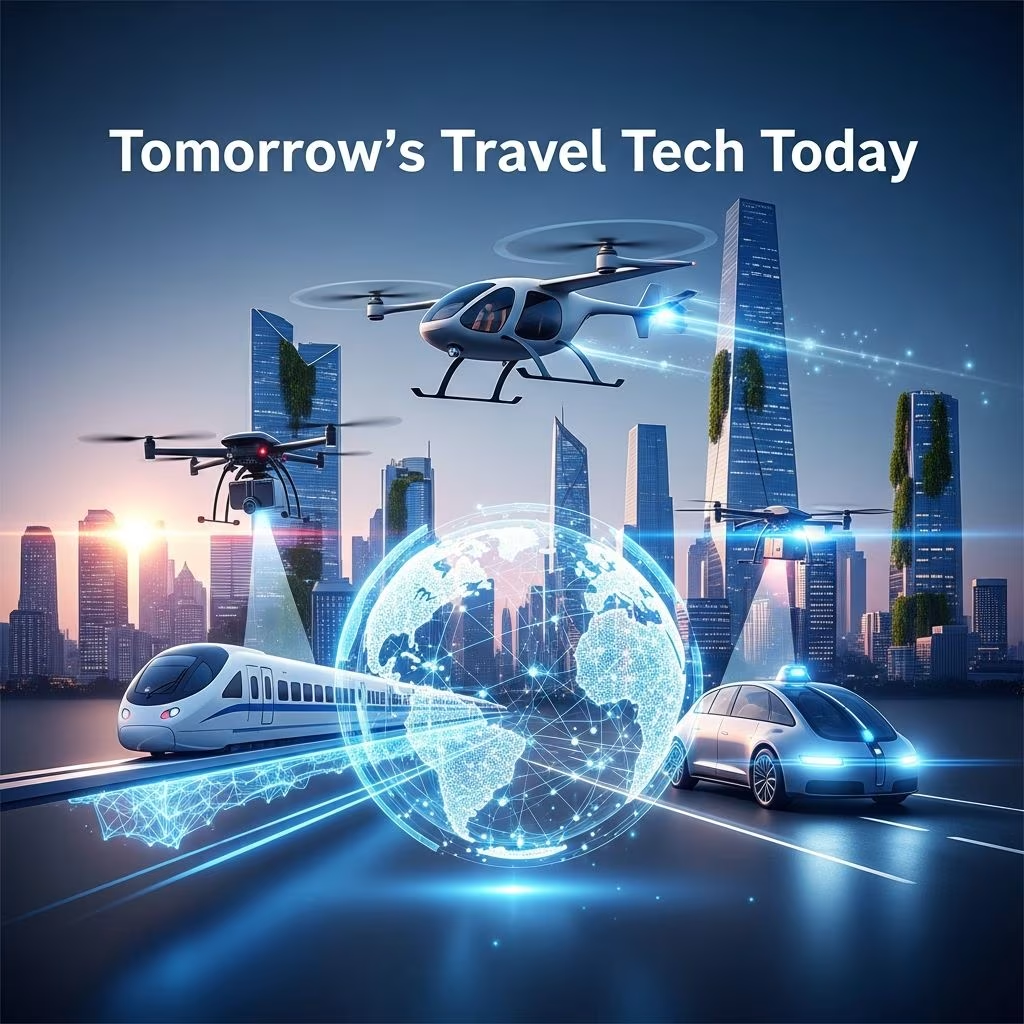
Travel technology has evolved rapidly, turning complex journeys into effortless experiences powered by artificial intelligence, biometrics, and connected devices. From self-navigating luggage to digital identities stored on smartphones, these tools address common pain points like lost bags, language barriers, and itinerary disruptions.
Modern suitcases are no longer passive carriers; they are equipped with advanced sensors and connectivity features. GPS-enabled smart luggage allows real-time tracking, alerting owners if bags stray from designated paths in crowded airports. Biometric locks using fingerprint or facial recognition secure contents without keys, reducing theft risks.
The pinnacle of this innovation is self-following technology. AI-driven wheels and proximity sensors enable suitcases to trail users autonomously, navigating obstacles at speeds up to 8 km/h. This eliminates dragging heavy loads through terminals, particularly beneficial for families or those with mobility challenges. Battery life supports full-day travel, with USB ports for charging devices on the go.
Artificial intelligence acts as an omnipresent travel companion. Chatbots like those integrated into airline platforms, such as Iberia’s ChatGPT assistant, handle queries from flight searches to multi-city itineraries. Users input preferences like budget or flexible dates, receiving optimized suggestions before seamless booking.
These virtual helpers provide 24/7 support, predicting delays with weather and traffic data integration. They suggest alternatives, rebook flights, or even negotiate refunds proactively. Voice-activated options on smartwatches deliver hands-free updates during transit.
| AI Feature | Benefit | Example |
|---|---|---|
| Real-time predictions | Avoids disruptions | Flight delay alerts with reroutes |
| Personalized planning | Saves time/money | Budget-optimized itineraries |
| Translation | Breaks language barriers | Live earbud interpretation |
Physical documents are fading as biometrics take center stage. Apple’s Wallet now supports TSA-approved digital passports for U.S. users, scanned at security without handing over cards. Facial recognition verifies identity instantly, streamlining checkpoints.
Enhanced boarding passes serve as command centers. Lock-screen widgets display live flight status, gate maps, and bag tracking via AirTags. One-tap actions share details or open navigation, consolidating apps into one interface. Airlines like Air Canada integrate this for end-to-end oversight from check-in to claim.
Smartwatches and rings from brands like Apple, Garmin, and Samsung monitor vitals during long hauls, alerting to dehydration or jet lag effects. Built-in GPS provides turn-by-turn directions, syncing with AR for precise airport wayfinding.
Contactless payments eliminate wallet fumbling. Biometric rings authenticate purchases securely, ideal for street vendors or quick cafe stops. Health data integration flags altitude sickness risks for high-elevation trips.
Augmented reality overlays digital info on the real world. Apps like Google Maps’ Live View at Zurich Airport guide users to gates or eateries with arrows on camera feeds. Tourists scan landmarks for historical facts or reviews without pausing.
Virtual reality offers pre-trip immersion. Hotels provide 360-degree tours of rooms and vicinities, aiding booking decisions. Over 98% of travel executives see spatial computing as a competitive edge, blending AR/VR for hybrid experiences.
eSIMs ditch physical cards, enabling instant network switches across borders. Activate data plans via apps, maintaining connectivity without roaming fees. Combined with noise-canceling earbuds, travelers enjoy calls or music in noisy environments.
By 2026, expect dynamic pricing via AI that adjusts in real-time to demand and user behavior. Smart itinerary optimizers will auto-reschedule based on delays, integrating loyalty points for upgrades. Biometric global passports could render borders paperless, with VR loyalty rewards simulating trips.
Challenges remain: data privacy demands robust encryption, and battery life must improve for extended use. Yet, these advancements promise equitable access, especially for underserved regions.
Look for models with global GPS, airline-compliant batteries, and USB charging. Self-following options excel in busy hubs.
Upload to apps like Apple Wallet; scanners verify biometrics at TSA points, speeding security.
Yes, by analyzing weather, traffic, and historical data for proactive rerouting.
Highly, with features like Zurich’s gate-finding using phone cameras.
Garmin and Apple Watch monitor vitals, sleep, and stress.
