

 Travel Essentials
 Travel Essentials

Explore the key settings of The Goldfinch: New York, Las Vegas, Amsterdam, and more. These locations drive the plot, symbolizing Theo's emotional evolution amid art theft and personal turmoil.
 Travel Essentials
Donna Tartt’s masterful novel The Goldfinch weaves a tapestry of locations that are far more than mere backdrops; they are living characters that propel Theo Decker’s odyssey of grief, survival, and self-discovery. From the cultured chaos of New York to the neon isolation of Las Vegas and the shadowy intrigue of Amsterdam, each setting reflects a phase of Theo’s fractured life, intertwined with the titular 17th-century painting by Carel Fabritius. These places underscore themes of loss, transience, and the enduring power of art.
New York City pulses as the novel’s emotional epicenter, a glittering metropolis where Theo’s world shatters and reforms. The story ignites at the Metropolitan Museum of Art, where a terrorist bombing orphans 13-year-old Theo and claims his mother Audrey’s life. This hallowed institution, with its vast halls of treasures, symbolizes fragility amid permanence—the Goldfinch painting survives as a talisman for Theo, much like the real artwork endured the 1654 Delft explosion that killed Fabritius.
Beyond the Met, Manhattan’s layered neighborhoods paint contrasting portraits. The opulent Park Avenue apartment of the Barbour family offers Theo fleeting stability, a bastion of upper-class refinement with its book-lined studies and harbor views. Here, amid privileged sorrow, Theo grapples with bereavement, finding surrogate solace in this world of polished wood and whispered condolences. In stark contrast, the Greenwich Village antique shop Hobart and Blackwell becomes Theo’s true haven. Run by the wise, paternal James “Hobie” Hobart, this dusty workshop brims with restored relics—chaired clocks, tarnished silver—evoking a bygone era. For Theo, it’s a sanctuary of craftsmanship, where he learns to revive forgotten beauties, mirroring his own stalled healing.
New York’s autumnal streets, alive with falling leaves and taxi horns, haunt Theo as a bittersweet anchor. Even in exile, he yearns for its vibrant energy, a constant pull against his unraveling existence. Production designer K.K. Barrett, crafting the 2019 film adaptation, captured this ‘old, romantic New York’ vanishing under modernity, blending Village bohemia with uptown hauteur.
Las Vegas catapults Theo into adolescence’s abyss, a sun-baked sprawl of excess and emptiness. Fleeing with his neglectful father Larry, Theo lands on Desert End Road, amid skeletal suburbs of unfinished McMansions baking under relentless sun. This fringe development amplifies isolation—the distant Strip’s garish lights mock the void, fostering Theo’s detachment from his New York roots.
Life with Larry and his girlfriend Xandra devolves into neglect, punctuated by the chaotic household pet Popper the dog. Yet, it’s here Theo forges his deepest bond with Boris Pasternak, a Ukrainian expat whose wild spirit ignites lifelong friendship. Their escapades—boozy nights, petty crimes—breed habits of addiction and deception that shadow Theo forever. Las Vegas, with its slot-machine din and mirage promises, embodies moral drift, stripping Theo of maternal memories while binding him to Boris through shared rebellion.
Donna Tartt herself hinted at Vegas’s allure in interviews, linking it to art exhibitions and high-stakes gambles that fueled the novel’s genesis. The city’s dual nature—opulent facade veiling despair—mirrors Theo’s gilded addiction to the stolen painting.
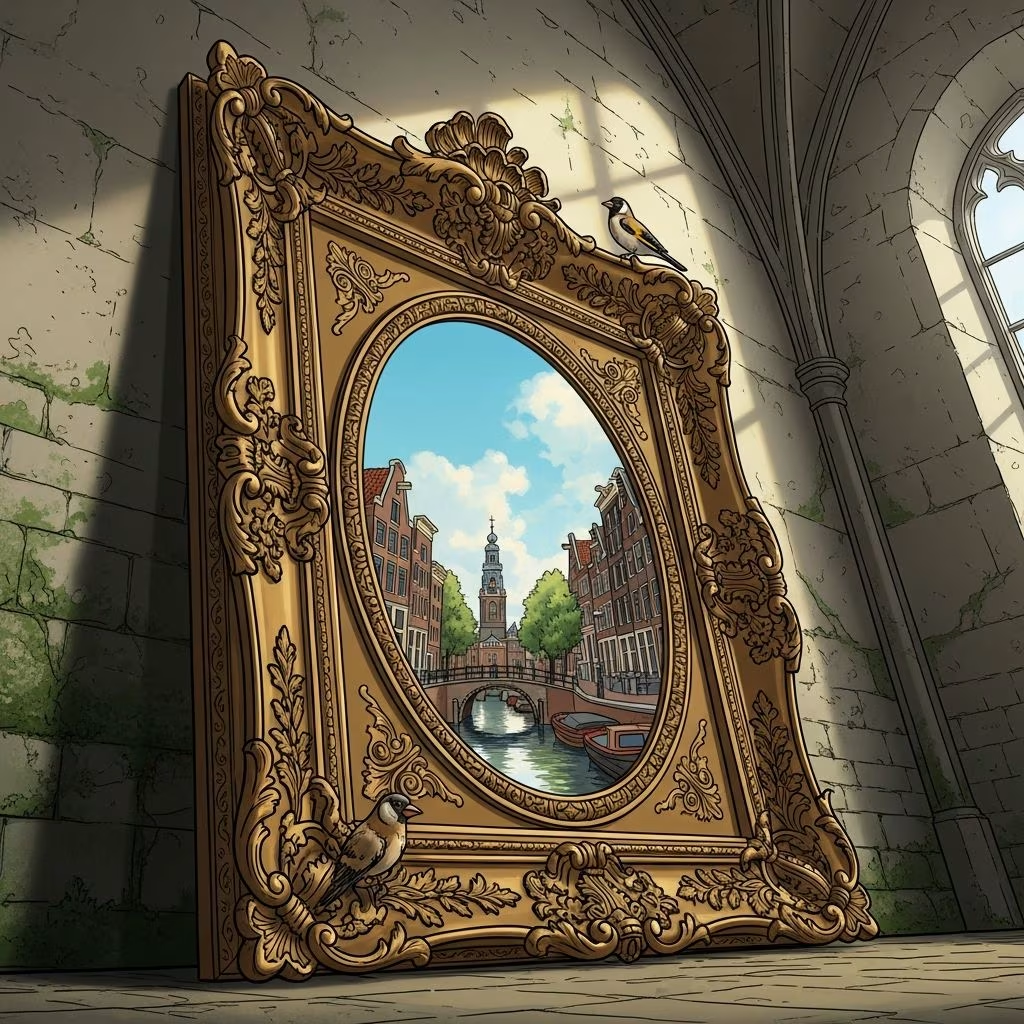
Amsterdam emerges in the novel’s climax as a labyrinth of peril and revelation. Theo journeys here to reclaim the Goldfinch from black-market dealer Horst, navigating fog-shrouded canals and dimly lit warehouses. The city’s 17th-century architecture evokes Fabritius’s era, blurring past and present; narrow gabled houses and bike-clogged bridges heighten paranoia as Theo confronts the painting’s criminal orbit.
This Dutch hub symbolizes culmination—Theo’s desperate bid for redemption amid Europe’s art underworld. The Goldfinch, chained like its feathered subject, tethers Theo across continents, its ‘doubleness’ of paint and life lauded even by shady connoisseurs. Amsterdam’s watery reflections underscore illusion versus reality, forcing Theo to reckon with years of deceit.
Beyond major cities, intimate locales deepen the narrative. Hobart and Blackwell’s cluttered interior, redolent of beeswax and varnish, grounds Theo in tactile artistry, antiques as ‘security’ paralleling the painting’s constancy. The Barbours’ lavish home, with its Warhol prints and ocean glimpses, contrasts Theo’s later squalor.
Las Vegas’s sprawling emptiness includes abandoned pools and coyote-howling nights, amplifying teen angst. Minor spots like Pippa’s recovery home or Kitsey Barbour’s social whirl add texture, illustrating class divides.
Tartt’s locations masterfully echo motifs of art’s redemptive force, loss’s persistence, and fate’s caprice. New York’s cultural dens anchor Theo’s love for the Goldfinch, a ‘bedrock’ amid chaos, its survival paralleling his own. Vegas erodes connections, fostering vice; Amsterdam demands confrontation.
As Tartt nods to Dickensian sweeps—from elite salons to criminal depths—settings trace Theo’s orphan arc, art as ‘light of hope’ piercing death’s shadow.
The novel’s heart beats with Carel Fabritius’s 1654 The Goldfinch, housed at Amsterdam’s Mauritshuis since 1896 (though visited in New York pre-terror plot). This sole survivor of Delft’s gunpowder blast infuses authenticity, Theo’s mother noting its endurance.
| Location | Symbolism | Key Events |
|---|---|---|
| New York City | Culture, loss, nostalgia | Met bombing, antique apprenticeship |
| Las Vegas | Isolation, addiction | Father’s abuse, Boris friendship |
| Amsterdam | Redemption, danger | Art recovery attempt |
New York launches Theo’s trauma at the Met and offers refuge in Hobie’s shop, embodying art’s enduring solace.
It severs his past, sparking destructive bonds and habits with Boris.
Fabritius’s work, a Delft blast survivor, inspires themes of fragility and survival.
Yes, evoking Mauritshuis vibes and canal underworlds.
They mirror grief stages, from anchored loss to drifting vice to final reckoning.
