

 Travel Essentials
 Travel Essentials

Explore England's finest medieval castles, from strategic coastal fortresses to picturesque countryside estates, each offering unique historical narratives and architectural significance.
 Travel Essentials
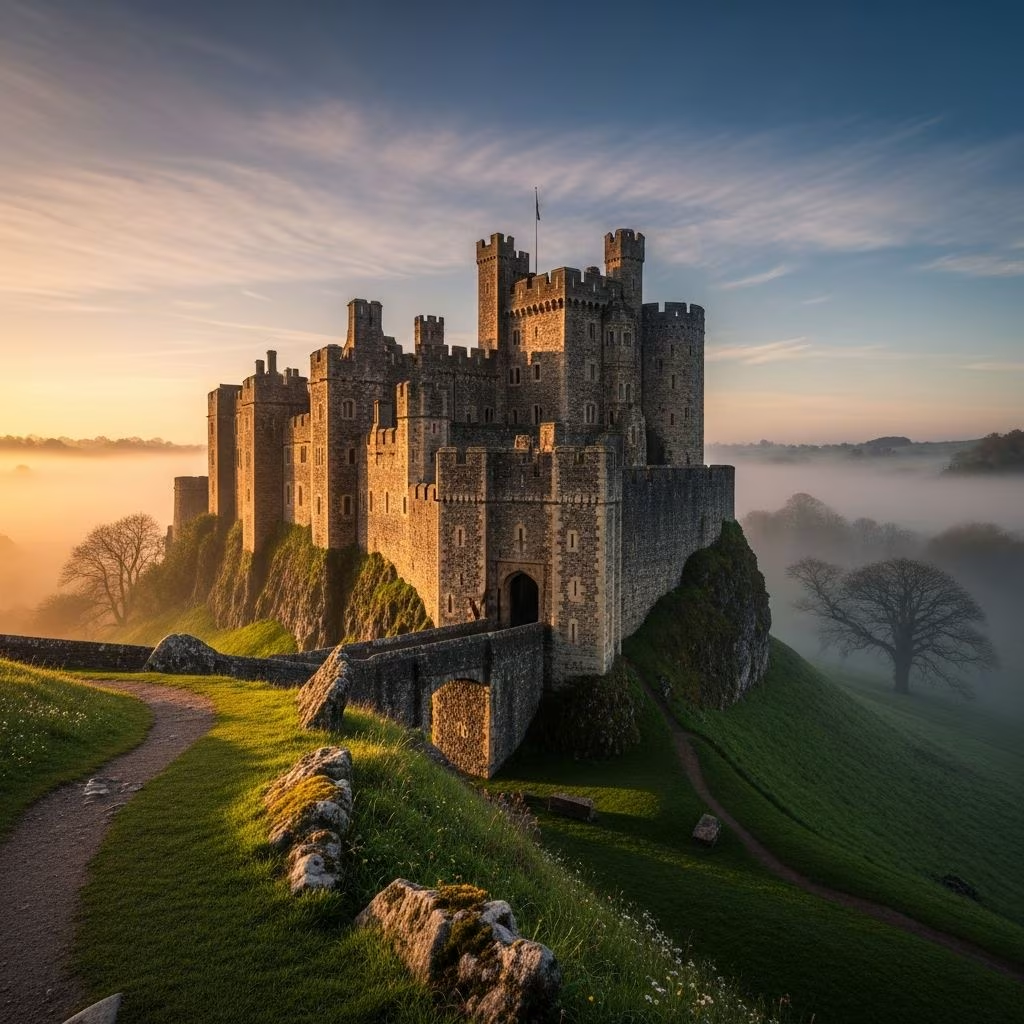
England’s landscape is adorned with remarkable fortifications that serve as tangible reminders of centuries past. These structures stand as monuments to military engineering, royal ambition, and evolving architectural practices. From windswept coastal cliffs to serene countryside settings, England’s castles represent one of Europe’s most comprehensive collections of medieval military architecture. Each fortress tells a distinct story—some remain residences of nobility, others function as family attractions, and several stand as carefully preserved historical sites managed by heritage organizations. Whether you’re drawn to dramatic defensive structures or the romance of moated estates, England’s castles offer something extraordinary for every visitor.
England’s most strategically positioned castles occupy the coastlines and borderlands, reflecting centuries of defensive necessity. These locations were deliberately chosen to guard against invasion, control trade routes, and demonstrate sovereign power across vulnerable territories.
One of England’s most formidable coastal strongholds dominates the white cliffs overlooking the English Channel. This fortress encompasses an extraordinary archaeological record spanning two millennia. Within its expansive grounds, visitors encounter remnants from multiple historical periods: ancient Roman lighthouse structures approximately 2,000 years old, Anglo-Saxon ecclesiastical buildings dating back around 1,000 years, and medieval towers featuring authentic reconstructions of 12th-century royal chambers. Perhaps most compelling are the underground tunnel systems developed during the Second World War, which reveal how this castle maintained critical strategic importance throughout modern conflict. These wartime passages provide fascinating insight into the fortress’s continuous military relevance across different eras.
Further north, commanding the border region, stands another celebrated stronghold built during the 11th century. This fortress maintains exceptional preservation and continues functioning as an active residence for regional nobility. The current ducal family inhabits portions of the castle while welcoming visitors to explore its magnificent halls and defensive architecture. The castle’s development across multiple centuries created a complex of structures that reflect changing military technologies and residential preferences.
Not all English castles prioritize dramatic positioning or military prominence. Several remarkable examples blend sophisticated defensive features with enchanting countryside settings, creating locations of extraordinary visual appeal.
Nestled within the gentle Sussex landscape lies a 14th-century fortress of almost dreamlike beauty. This castle preserves its original gatehouse and robust cylindrical towers precisely as constructed during the medieval period. A distinctive water-filled moat, lined with mature trees, encircles the entire structure, creating reflections that enhance its architectural appeal. The combination of preserved medieval features, natural waterway defenses, and cultivated grounds produces one of England’s most photographed castles. The setting appears almost impossibly perfect—a genuine medieval fortress transported into a storybook landscape.
Another southern English property floats upon its own moat, creating an equally captivating visual effect. This castle showcases nine centuries of continuous occupation and architectural evolution. Successive generations have added chambers, towers, and defensive features, creating a complex of styles and periods. The castle has served various purposes across its long history—royal residence, aristocratic home, and now an important heritage site offering visitors comprehensive access to its interior and grounds. The interplay of water reflections, manicured lawns, and architectural elements creates a setting of genuine magnificence.
Several significant English castles have undergone remarkable transformations in their modern roles. Originally constructed as serious military installations, these fortifications now balance historical preservation with contemporary visitor experiences.
A massive medieval fortress situated along the River Avon exemplifies this transition. Originally established as a motte-and-bailey construction immediately following the 1066 Norman Conquest, this castle developed substantially over subsequent centuries, expanding along a ridge overlooking the river valley. The structure remains impressively well-preserved, maintaining authentic medieval features including defensive walls, towers, and gatehouses. During recent decades, professional management companies have enhanced visitor experiences through historically-themed activities and demonstrations. Falconry displays, staged combat reenactments, and educational programs now complement exploration of the authentic medieval architecture. This approach successfully accommodates family visitors while maintaining respect for the castle’s historical significance and architectural integrity.
English castles display remarkable variety in their architectural approaches to defense and residential comfort. Understanding these design elements provides deeper appreciation for medieval engineering accomplishment.
Beyond their military functions, many English castles evolved into prestigious residences reflecting wealth, power, and aesthetic sensibilities of their occupants. These properties often combined defensive features with increasingly sophisticated domestic architecture.
Northern England hosts a particularly impressive residential castle that has served as principal seat of regional nobility across centuries. Built during the 11th century, this fortress features authentic Norman architectural elements alongside later residential additions. The castle’s continued use as an aristocratic home ensures ongoing maintenance and preservation while creating unique circumstances where visitors tour chambers occupied by current residents’ predecessors across many generations.
Some castles transformed substantially during Tudor and later periods, reflecting changing architectural fashions and security needs. Residential areas within these castles showcase period furnishings, decorative elements, and personal possessions offering glimpses into historical domestic life. The wooden structural elements in certain castle chambers, preserved from 13th-century construction, contrast with later stone additions, creating visible architectural timelines within individual structures.
Certain English castles employed distinctive architectural configurations that maximized defensive capability through innovative design approaches. A particularly notable example features ring-shaped construction—13 massive towers positioned within a dramatic curtain wall create a fortress of extraordinary defensive strength. Built in 1190, this castle’s architectural design demonstrates advanced understanding of medieval military engineering. The ring configuration provided multiple defensive positions, eliminated vulnerable corners, and created complex interior spaces while maintaining comprehensive external surveillance capabilities.
| Castle Characteristics | Strategic Importance | Architectural Period | Current Function |
|---|---|---|---|
| Coastal Fortifications | Channel Defense, Trade Control | Multiple (Roman to WWII) | Heritage Site & Museum |
| Moated Rural Castles | Regional Authority | 14th Century | Tourist Destination |
| River Valley Castles | Transport Control | Post-1066 Norman | Heritage Attraction & Theme Park |
| Residential Castles | Aristocratic Prestige | 11th-14th Centuries | Active Residences |
| Ring Fortresses | Regional Defense | 12th Century | Historical Site |
Modern English castles serve diverse visitor needs while maintaining historical integrity. Heritage organizations, private owners, and management companies employ varied approaches to balancing accessibility with preservation.
Some castles operate as comprehensive heritage sites, offering educational programming, archaeological displays, and detailed historical interpretation. Visitors encounter authentic medieval features alongside informative materials explaining historical context and architectural significance. These sites often employ professional guides, maintain extensive archives, and conduct ongoing research expanding our understanding of castle history.
Other castles emphasize experiential engagement, featuring demonstrations of historical activities, period-themed entertainment, and interactive exhibits. This approach particularly appeals to family visitors while introducing younger generations to medieval history through engaging, memorable experiences.
Residential castles balance public access with private occupation, typically offering guided tours of specific chambers and grounds while maintaining privacy for current inhabitants. This arrangement creates unique opportunities to observe how historical spaces continue functioning in contemporary contexts.
English castles developed distinctive characteristics reflecting insular geography, Norman influences, and continuous architectural evolution. The prevalence of moated designs, the integration of residential and military functions, and preservation of medieval structures create recognizable English castle identity.
Access varies significantly. Heritage-managed castles typically offer extensive interior access with guided tours and educational materials. Residential castles provide more limited tours, while some sites restrict access to specific chambers and grounds for preservation or privacy reasons.
English castles span from immediately post-1066 Norman period through Victorian era, with some incorporating even earlier Roman or Anglo-Saxon elements. This chronological range makes them invaluable for studying architectural evolution and military technology development.
Ongoing professional maintenance, restoration projects, and heritage management ensure preservation. Stone repairs, protective roofing, and controlled environmental conditions help these structures endure. Many castles employ specialist craftspeople using historical techniques.
Accessibility varies considerably. Medieval architecture with stone stairs and uneven surfaces creates challenges, though many castles have implemented accommodations including ramps, elevators, and accessible routes to primary attractions. Visitors should inquire about specific accessibility features.
England’s exceptional variety of castles allows visitors to design experiences matching their interests and physical capabilities. Coastal fortifications offer dramatic scenery and comprehensive historical narratives. Picturesque moated castles provide romantic settings and intimate scale. Large residential estates combine architectural grandeur with comfortable visitor amenities. Heritage-managed sites offer detailed historical interpretation and educational opportunities.
Seasonal considerations affect visitor experiences significantly. Summer months bring larger crowds and extended opening hours but pleasant weather. Spring and autumn provide moderate visitor numbers with appealing natural settings. Winter visits offer solitude and atmospheric experiences, though shorter days and occasional weather challenges require planning.
Regional clustering of castles enables efficient multi-site visiting. Northern territories concentrate several significant fortresses, allowing comprehensive exploration within defined geographic areas. Southern England offers diverse examples within manageable distances. This distribution makes extended castle touring practicable for visitors with adequate time.
These remarkable structures transcend their original military purposes to function as repositories of cultural memory, architectural achievement, and historical knowledge. Whether preserved as museums, maintained as residences, or operated as entertainment destinations, English castles continue captivating visitors with their combination of authentic medieval features, dramatic settings, and evocative historical narratives. The castles represent millennia of human ambition, engineering innovation, and cultural development, offering contemporary visitors tangible connections to centuries past.
