

 Travel Essentials
 Travel Essentials

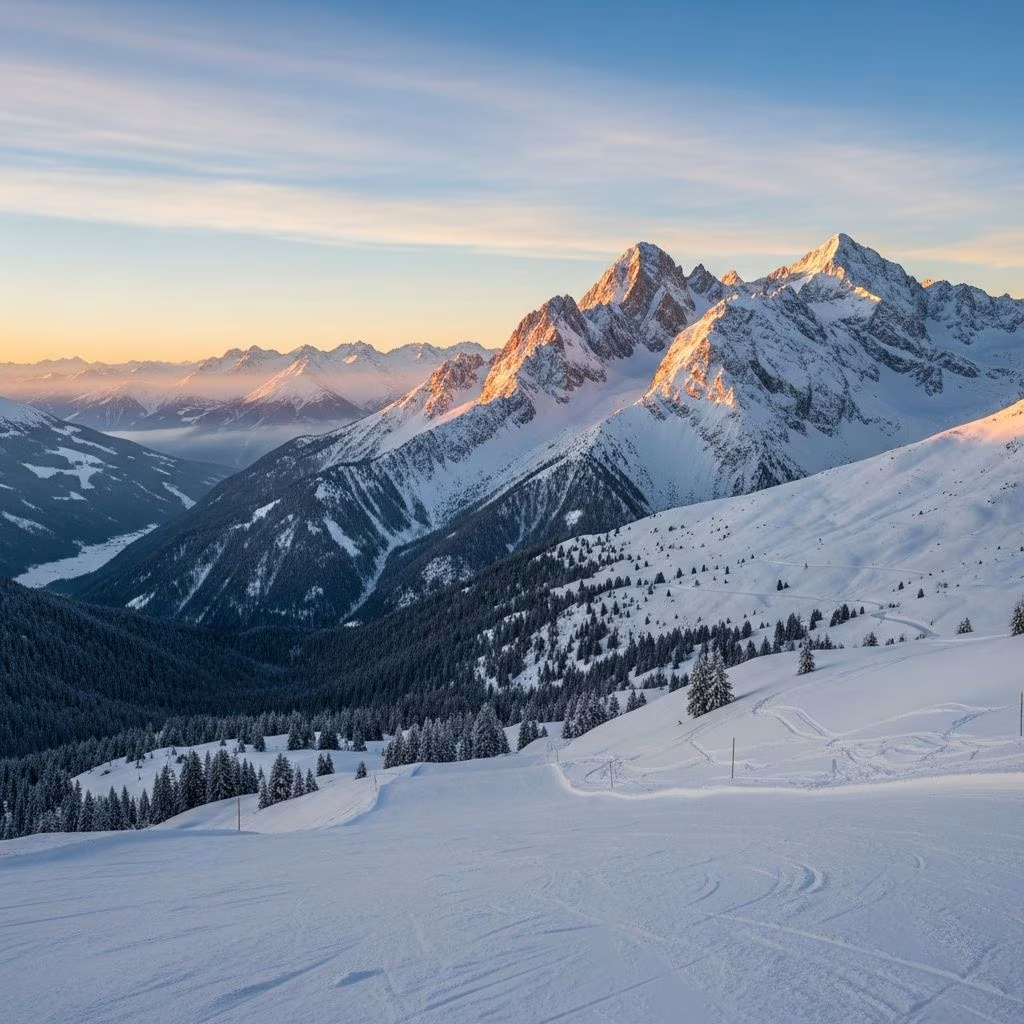
Explore premier North American ski resorts renowned for breathtaking alpine scenery, world-class terrain, and unforgettable mountain vistas.
 Travel Essentials
The pursuit of perfect powder often takes a backseat to the visual splendor that awaits skiers and snowboarders at North America’s premier mountain destinations. While technical terrain and snow conditions certainly matter, the aesthetic experience of carving down slopes surrounded by towering peaks, pristine forests, and dramatic geological formations creates memories that extend far beyond a single season. The following examination of North America’s most visually striking ski resorts reveals how geography, elevation, and natural landscape combine to create truly exceptional winter destinations.
What distinguishes a merely beautiful ski resort from a truly spectacular one involves multiple interconnected factors. Elevation plays a critical role, as higher mountains typically offer more dramatic vertical relief and expansive vista points. Geological formations—whether glacier-carved valleys, volcanic peaks, or dramatically tilted mountain faces—create unique visual character. Forest density and composition affect how mountains appear throughout seasons, while proximity to other geographical features such as pristine alpine lakes or dramatic canyon walls adds additional layers of visual interest.
The most celebrated ski destinations balance accessibility with remoteness, offering both easily reached trails with panoramic views and backcountry terrain for adventurous explorers seeking solitude amid grandeur. Modern ski resort infrastructure has evolved to enhance the scenic experience without compromising natural beauty, incorporating mountain-top restaurants, scenic lift rides, and thoughtfully positioned observation areas.
Located within a dramatic box canyon in southwestern Colorado, Telluride Ski Resort presents one of North America’s most architecturally distinctive settings. The resort’s position within steep canyon walls creates a natural amphitheater effect, with peaks rising dramatically on multiple sides. The vertical relief exceeds 4,425 feet, providing substantial elevation change that creates genuinely varied terrain across multiple ridgelines and bowls. Beyond the resort boundary, Telluride’s compact historic mining town sits in picturesque contrast to the surrounding wilderness, offering visitors a complete alpine experience combining world-class skiing with authentic mountain culture.
The resort’s Gold Hill terrain park area sits at higher elevations, providing extended views toward the San Juan Mountains and distant peaks beyond immediate surroundings. Summer hikers frequently traverse trails accessing ridges where winter skiers carved their lines just weeks earlier, creating seasonal continuity between activities.
Aspen-Snowmass comprises four interconnected ski areas within the Roaring Fork Valley, collectively offering over 5,000 skiable acres. Breckenridge, positioned on the western slope of the Continental Divide, provides stunning vistas toward the Summit County mountains and distinctive views of the Ten Mile Range. Winter Park combines extensive terrain with breathtaking views of the Continental Divide and Vasquez Mountains.
Jackson Hole Mountain Resort benefits from its position directly east of the spectacular Teton Range, creating unobstructed views of the peaks’ dramatic east-facing walls. The resort operates at elevations exceeding 10,450 feet at its summit, placing visitors well into the alpine zone where vegetation becomes sparse and mountain architecture dominates all visual horizons. The Gros Ventre Mountains provide contrasting views toward the east, creating a true 360-degree panoramic experience from upper terrain areas.
The vertical relief of over 4,000 feet, combined with diverse terrain ranging from groomed intermediates to steep couloirs and gladed runs, ensures that scenic vistas accompany skiers throughout their descent. Winter conditions typically preserve snow quality at higher elevations while lower-elevation terrain features often display the characteristic terrain features beneath Jackson’s famous snow.
California’s Lake Tahoe region encompasses multiple ski resorts positioned around the massive alpine lake, offering distinctive scenic characteristics differing from more isolated mountain ranges. Homewood Mountain Resort sits directly above the lake’s western shore, providing skiers with stunning views of Tahoe’s azure waters framed by surrounding peaks. The lake’s presence creates a visual anchor point unique among North American ski destinations.
The Tahoe resorts benefit from their position within a massive glacial basin surrounded by mountains exceeding 10,000 feet elevation. Snow-covered peaks surrounding the basin create layered visual perspectives as skiers descend from ridgelines toward lower-elevation terrain. The lake’s substantial size and depth influence local weather patterns and visibility conditions, sometimes creating dramatic atmospheric effects where mountain weather systems interact with the water body.
Washington State’s Mount Baker Ski Area occupies a distinctly different ecological niche than most featured destinations. The resort sits within the Cascade Range’s wet maritime climate zone, receiving substantial seasonal snowfall while maintaining dense coniferous forests that create intimate, corridor-like terrain runs. The limited development footprint and remote location preserve a genuine wilderness atmosphere unusual among major North American ski destinations.
The surrounding North Cascades landscape includes numerous peaks exceeding 10,000 feet, though their distance from the resort creates a less dramatically vertical visual experience than closer-range mountain views. The forest environment provides changing seasonal aesthetics, with dense summer undergrowth completely obscured by winter snow, and autumn larches creating golden accents before seasonal transformation.
Utah’s Snowbasin Resort earned USA TODAY’s recognition as the nation’s top ski resort, combining substantial vertical relief with distinctive architectural terrain features. The resort sits within the Wasatch Mountains east of Ogden, providing views toward both the Salt Lake Valley far below and higher mountain terrain extending northward.
Sundance Mountain Resort, positioned on the western slope of the Wasatch Mountains near Provo, offers a more intimate alpine experience. The resort’s relatively smaller scale preserves quiet, forest-enclosed runs that provide scenic beauty through vegetation and terrain intimacy rather than expansive vistas.
| Resort | Location | Vertical Relief | Distinctive Feature |
|---|---|---|---|
| Telluride | Colorado | 4,425 ft | Canyon-enclosed setting |
| Jackson Hole | Wyoming | 4,000+ ft | Teton Range views |
| Lake Tahoe Resorts | California | Varied | Alpine lake scenery |
| Mount Baker | Washington | 2,000+ ft | Maritime forest environment |
| Snowbasin | Utah | 2,900+ ft | Wasatch Mountain positioning |
The visual character of ski resorts transforms substantially across seasons, with autumn alpine meadows, spring wildflower displays, and summer hiking seasons creating different aesthetic contexts for understanding winter terrain. Fall aspens create golden corridors across intermediate terrain areas at multiple destinations, particularly in Colorado and Utah. Spring corn snow conditions often coincide with increasing daylight that enhances visibility and photographic opportunities across extended viewing distances.
Winter storm cycles introduce temporary visual transformations, with fresh snow clinging to trees and creating dramatic sculptural effects on exposed rock formations. Clear, cold periods following storms often deliver exceptional visibility extending to distant mountain ranges beyond immediate resort boundaries, occasionally revealing peaks located fifty or more miles from ski area boundaries.
Modern ski resorts recognize that not all visitors possess equivalent skiing abilities, yet most wish to experience scenic vistas. Scenic chairlift rides, often complimentary for non-skiing passengers, provide access to mountain-top observation areas where photography and landscape appreciation occur without requiring descent skiing. Alpine restaurants positioned at mid-mountain elevations create venues combining dining experiences with panoramic vista appreciation.
Many resorts maintain summer trail systems that provide winter hiking and snowshoeing opportunities, allowing visitors to experience alpine landscapes at their own pace without navigating ski terrain. These accessible options democratize scenic mountain experiences beyond the skiing population.
Scenic appreciation directly depends upon visibility conditions influenced by weather systems, atmospheric moisture, and time of day. Clear mornings typically provide superior visibility compared to afternoon conditions when atmospheric turbidity increases. Weather systems affecting Rocky Mountain destinations frequently bring dramatic cloud formations creating compelling visual effects, though substantial cloud cover can obscure distant vistas.
The increasing prevalence of social media and personal documentation means many visitors actively pursue photographic opportunities. Higher-elevation terrain often provides superior backdrops and perspectives for meaningful landscape photography. Early-season visits sometimes offer superior photographic conditions when sun angles remain lower throughout the day, creating enhanced surface texture and shadow contrast.
Visitors with varying physical capabilities should recognize that the most spectacular vistas often require either significant vertical ascent or challenging terrain traversal. Resort trail maps clearly indicate difficulty ratings, allowing visitors to identify scenic runs matching their ability levels. Chairlift-accessible viewing areas provide alternatives for those unable to access alpine terrain through skiing.
Scenic alpine destinations increasingly offer diverse winter activities extending beyond downhill and cross-country skiing. Snowshoeing, split-board touring, and guided backcountry expeditions allow visitors to access terrain invisible from groomed runs, often revealing more dramatic geological formations and remote wilderness character. Night skiing at selected resorts creates unique atmospheric conditions where lighting interacts with snow and surrounding peaks, producing evening aesthetics distinct from daytime experiences.
Jackson Hole Mountain Resort, positioned directly east of the Teton Range, consistently earns recognition for the most dramatic immediate mountain views, though Telluride’s canyon-enclosed setting offers distinctive architectural landscape features. The preference depends upon individual aesthetic preferences regarding scale, geological formation type, and surrounding context.
Price correlates more strongly with terrain quantity, resort infrastructure quality, and proximity to metropolitan areas than scenic characteristics. Several modestly-sized resorts with exceptional scenery offer more competitive pricing than larger, less visually distinctive destinations. Research specific resort pricing rather than assuming scenic beauty dictates cost.
Late autumn and early spring often offer superior visibility and varied aesthetic features compared to deep winter, when atmospheric moisture and storm frequency can reduce visibility. Winter storm cycles create temporary visual drama through fresh snow and cloud formations, while clear, cold periods following systems deliver exceptional extended-distance visibility.
Absolutely. Scenic chairlift rides, mountain-top restaurants, snowshoeing trails, and hiking access provide numerous opportunities for non-skiers to experience alpine scenery. Many resorts actively market these experiences to families and tourists seeking mountain experiences beyond skiing.
The most exceptional ski resort experiences balance technical skiing terrain, consistent snow quality, and impressive visual landscapes. The destinations highlighted throughout this exploration represent some of North America’s most visually distinctive mountain environments, each offering unique aesthetic characteristics shaped by geological history, regional climate patterns, and local ecosystem characteristics. Whether seeking dramatic vertical relief like Jackson Hole provides, intimate forest skiing like Mount Baker offers, or distinctive canyon settings like Telluride creates, North American ski destinations deliver compelling combinations of athletic challenge and visual splendor.
