

 Travel Essentials
 Travel Essentials

Comprehensive guide to packing smart for family travel, covering clothing, gear, entertainment, and practical tips to reduce stress and maximize space.
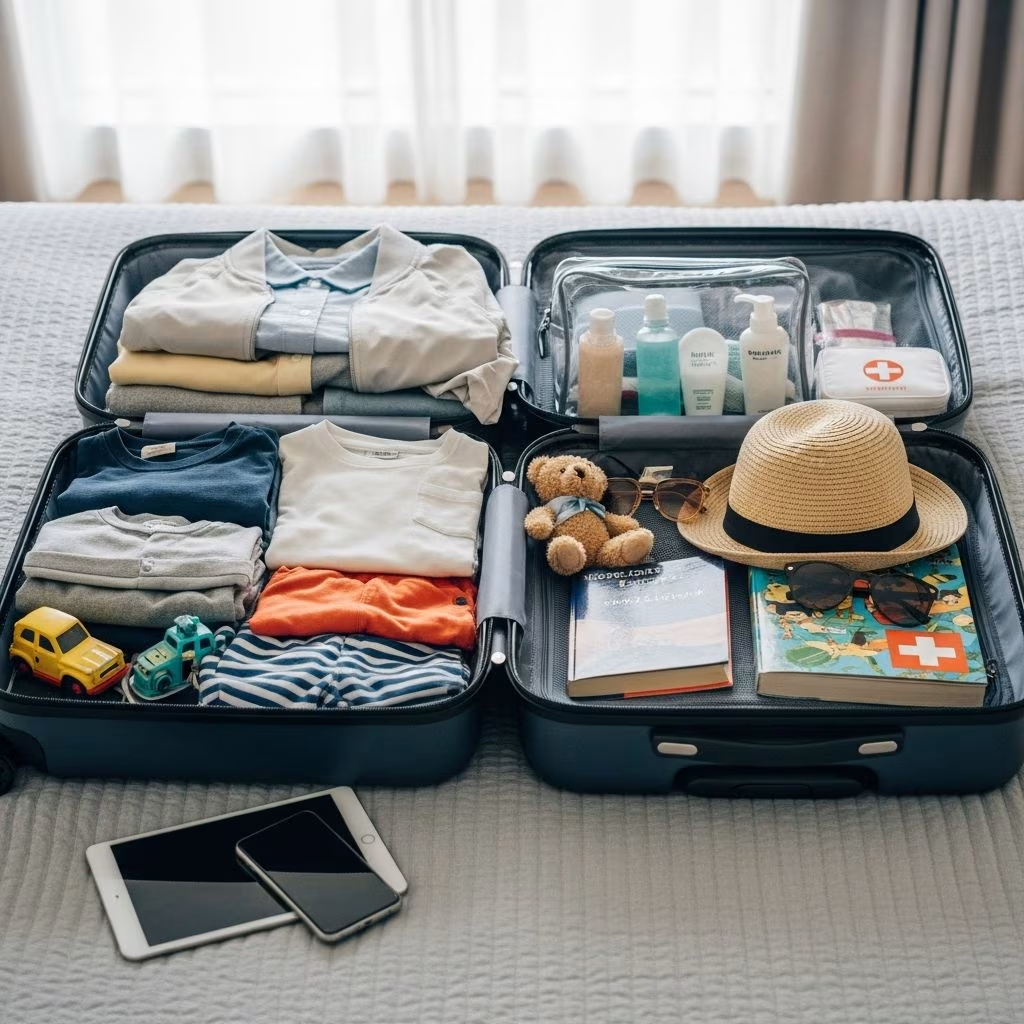 Travel Essentials
Traveling with children requires a fundamentally different approach to packing than solo or adult-only trips. The complexity multiplies with each child you bring, as you must account for their specific needs while maintaining reasonable luggage limits. This guide distills proven strategies from experienced family travelers to help you prepare systematically, reduce decision-making stress, and ensure nothing essential gets left behind.
Successful packing begins weeks before your departure date. Start by creating a master inventory tailored to your family’s specific needs rather than relying on generic checklists. Consider your destination’s climate, the duration of your stay, available laundry facilities, and your children’s ages and preferences. Research what items you might purchase upon arrival rather than packing, particularly bulky items like diapers or formula if traveling internationally where brands may differ.
Create separate digital or physical lists for each family member, including adults. Color-coding helps when packing with multiple children—assign each person a unique color for their clothing and belongings. This system prevents mix-ups and allows children to identify their own items, promoting independence during unpacking.
The traditional approach of packing one outfit per day creates unnecessary luggage weight. Instead, adopt a capsule wardrobe system where coordinating pieces mix and match across multiple outfits. For a one-week trip, most children need approximately five to seven shirts, three to four pairs of pants or shorts, and two to three layers for cooler evenings.
Always include a complete change of clothes in your carry-on luggage. Travel disruptions like flight delays, car sickness, or accidental spills make accessible backup clothing essential for maintaining comfort and hygiene without requiring luggage access.
Beyond clothing, the equipment you select determines how smoothly your journey progresses. Evaluate each item by asking whether the benefits justify the luggage space and weight.
For families with infants or toddlers, transportation solutions significantly impact trip quality. Compact strollers designed specifically for travel offer lightweight frames without sacrificing functionality. Car seats for rental vehicles must often be brought from home or rented locally depending on your destination and airline policies.
Baby carriers represent excellent alternatives to strollers when space is limited. Structured carriers suitable for different weights allow hands-free navigation through crowded airports and tourist destinations while keeping your infant or toddler secure and comfortable. For families prioritizing minimal luggage, carriers eliminate the need for strollers entirely on many trips.
Portable cribs and pack-and-play devices provide familiar sleeping environments, particularly benefiting children under three years old. Travel-specific sleep items—including lightweight bedding, favorite blankets, or comfort objects—ease nighttime transitions in unfamiliar accommodations. Sound machines, whether dedicated devices or smartphone apps, recreate familiar sleep environments despite hotel noise or environmental changes.
For older children accustomed to specific pillows or blankets, packing these familiar items prevents sleep disruptions that can derail vacation enjoyment for the entire family.
Maintaining health during travel requires bringing medications, first-aid supplies, and hygiene items specific to your family’s needs. Standard travel medical kits should include:
Hygiene supplies deserve equal attention. Travel-size toiletries reduce luggage weight, though you might prefer full-size products if your accommodation is a rental home with extended stays. Diaper rash cream, baby wipes serving multiple purposes beyond diaper changes, and hand sanitizer address daily hygiene needs efficiently. Sunscreen appropriate for children’s sensitive skin prevents painful sunburns that compromise trip enjoyment.
Food requirements vary dramatically by age and dietary preferences. Infants require formula, bottles, sterilizing equipment, and age-appropriate purees or solids. Toddlers benefit from familiar snack options reducing mealtime conflicts in unfamiliar restaurants. School-age children often prefer recognizable foods while exploring new cuisines.
Pack shelf-stable snacks that travel well and appeal to your children’s existing preferences. Options including granola bars, dried fruit, crackers, and nut-based products provide sustained energy during long travel days. Including new snacks introduces variety while familiar favorites provide comfort during transitions.
Collapsible water bottles encourage hydration during travel without excess luggage weight. Refilling upon arrival prevents unnecessary plastic waste while ensuring constant access to hydration throughout your trip.
Travel time tests children’s patience and tolerance for boredom. Strategic entertainment planning transforms potentially challenging periods into manageable segments.
Tablets and portable devices offer reliable entertainment during long flights or car rides. Download age-appropriate shows, movies, and educational apps before departure to ensure consistent entertainment despite variable connectivity. Include headphones or earbuds enabling independent engagement without disturbing other travelers or family members.
Rotating entertainment maintains novelty and engagement throughout extended travel. Consider including coloring books and crayons, magnetic games, activity sticker books, and small puzzles requiring minimal space. Many experienced family travelers introduce completely new toys or books specifically for travel days, capitalizing on genuine novelty to sustain engagement.
Interactive games promoting family engagement—card games, travel bingo, or license plate spotting—create bonding opportunities while organizing boredom management. Books aligned with your destination build anticipation and provide transition activities during travel segments.
How you pack determines how easily you access items throughout your trip. Disorganized luggage creates frustration, wastes time, and often results in overpacking on return trips due to difficulty locating items.
Mesh packing cubes compress clothing while organizing by category, person, or activity type. Assign each family member a designated color for instant visual identification. Beyond suitcases, packing cubes function as drawer organizers in hotel rooms or rental accommodations, allowing you to unzip and place items directly into drawers without unpacking individually.
Compression bags reduce overall luggage volume, though packing cubes provide superior accessibility for frequent outfit changes during trips. The durability and reusability of quality packing cubes outweighs single-use plastic alternatives.
When traveling with children, resist the temptation to have each family member carry individual luggage. Instead, consolidate into shared suitcases with internal organization. Children should carry lightweight personal items or small backpacks containing entertainment and comfort items rather than full luggage sets.
Keep frequently accessed items in carry-on luggage separate from checked bags. Change-of-clothes, medications, important documents, entertainment, and comfort items should always remain within immediate reach.
Infants travel with minimal clothing needs but substantial equipment requirements. Diapers, formula, bottles, and sterilizing supplies constitute the bulk of infant packing. Portable changing stations, travel blankets, and familiar comfort items ease transitions. Focus on mobility solutions allowing hands-free carrying and reliable sleep arrangements in unfamiliar environments.
Toddlers require increased clothing redundancy due to potential accidents and spills. Diapers, wipes, and rash cream remain essential. Entertainment options become increasingly important, particularly portable activities like books and interactive toys. Comfortable walking shoes appropriate for your destination support independent mobility.
Older children can participate in packing decisions, selecting entertainment items and managing their belongings. Comfortable athletic wear supporting active exploration becomes prioritized. Involvement in packing decisions builds travel excitement and responsibility.
Rolling rather than folding clothing substantially reduces wrinkles and maximizes suitcase space. This technique works particularly well for cotton and casual children’s clothing, though delicate items may require traditional folding.
Utilize shoes by filling interiors with socks, small items, or rolled accessories. Store items inside jackets, between sleeping bags, and in any available compression spaces. Maximize every cubic inch without creating difficult unpacking scenarios.
Distribute weight evenly across multiple suitcases rather than concentrating in single bags. Heavier items belong at luggage bottoms near wheels, supporting easier maneuverability and preventing awkward weight shifts during transport.
While children might enjoy designated luggage, shared family suitcases with organized sections typically work better. This approach simplifies lost luggage situations and prevents children from carrying excessive weight.
Establish a firm rule limiting each person to specific items within defined categories. Before finalizing packing, challenge each item’s necessity and remove anything not serving multiple purposes.
Research accommodation laundry facilities before arrival. Hand washing delicate items or using hotel laundry services reduces required clothing volume. Planning one laundry day during longer trips allows lighter packing.
Maintain medications in original pharmacy bottles with labels. Pack in carry-on luggage, never checked bags, ensuring accessibility and protection from temperature extremes. Create a backup list of medication names and dosages for reference if needed.
Two weeks before departure, finalize your packing list. One week prior, begin gathering items and organizing by category. Three days before travel, complete all packing except last-minute toiletries. This timeline prevents forgotten items while avoiding stressed last-minute preparations.
Review weather forecasts for your destination and adjust clothing accordingly. Confirm accommodation policies regarding equipment rentals or provided items, potentially reducing what you need to transport.
Prepare a digital backup of important documents including passport information, travel insurance details, and emergency contacts. Store separately from originals to enable access if primary documents are lost or delayed.
By implementing systematic packing strategies, thoughtful organization, and age-appropriate preparation, family travel becomes significantly less stressful. The effort invested in proper preparation translates directly to smoother journeys, more comfortable accommodations, and greater family enjoyment throughout your destination experience.
