


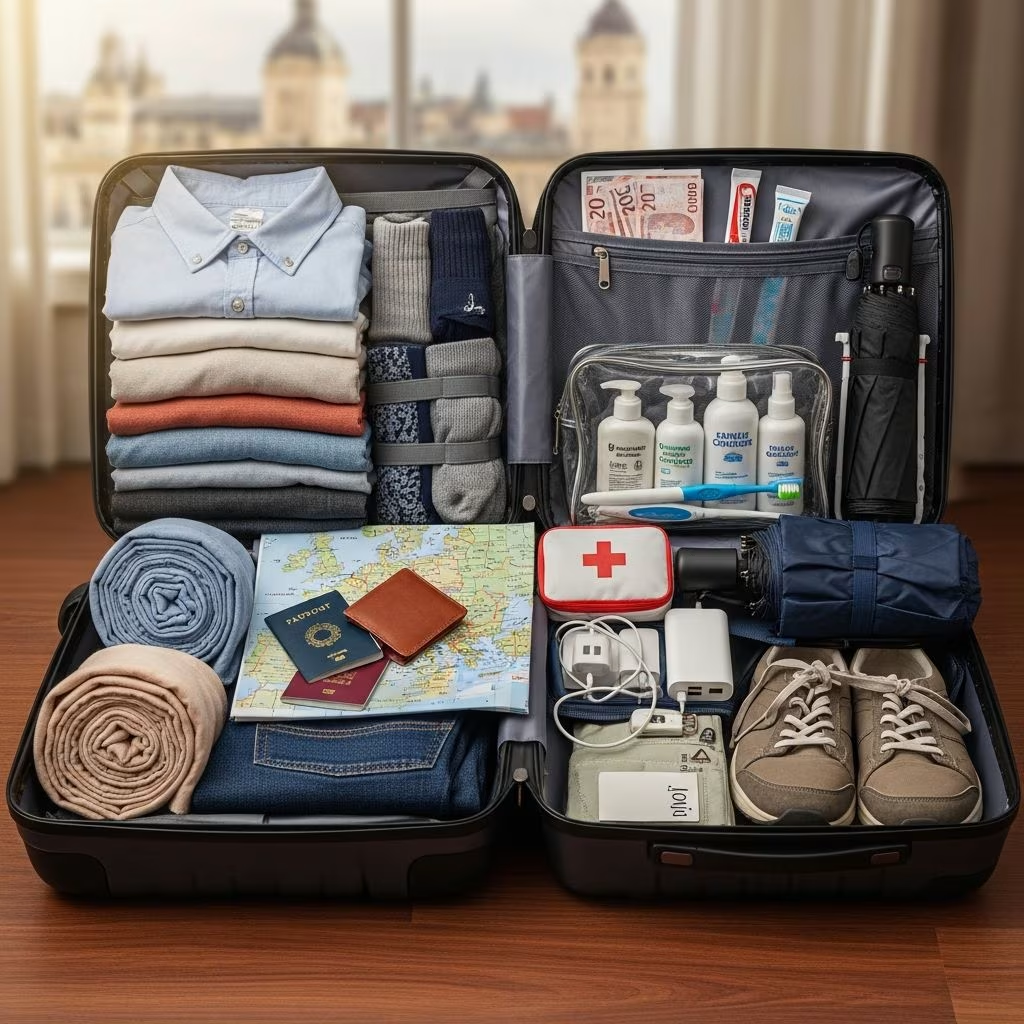
Navigating multiple destinations across Europe requires a fundamentally different approach to packing than a single-location vacation. When you’re moving between cities every few days, your luggage becomes more than just storage—it becomes your constant companion, traveling through airport terminals, train stations, and cobblestone streets. Understanding what to pack and how to pack it efficiently can transform your European adventure from a logistical nightmare into a seamless, enjoyable experience.
The art of traveling across Europe’s diverse regions demands strategic thinking about weight, volume, and accessibility. Unlike traditional vacations where you unpack in one location and stay put, multi-city travel requires items that serve multiple purposes, occupy minimal space, and withstand frequent transitions. This comprehensive guide explores everything you need to know about preparing for a hotel-hopping European journey.
Selecting the Right Luggage Foundation
The cornerstone of successful multi-city travel begins with your primary luggage choice. Your suitcase will become an extension of your travel experience, so selecting the right one significantly impacts your comfort level throughout your journey.
Prioritize Spinner-Style Wheels for Urban Navigation
A lightweight, four-wheeled spinner suitcase represents the gold standard for European travel. These suitcases rotate 360 degrees, allowing you to navigate crowded airport terminals, narrow train station corridors, and European city streets with minimal effort. The spinner design eliminates the strain of dragging luggage, particularly important when you’re maneuvering through passport control queues, customs areas, and bustling transit hubs multiple times during your trip.
Opt for carry-on dimensions whenever possible. This strategy offers several advantages: avoiding checked baggage fees on budget European airlines, bypassing luggage claim delays, and maintaining immediate access to your belongings. Most European hotels feature compact rooms, so a smaller suitcase encourages you to pack more deliberately and travel lighter overall.
Supplementary Bag Systems
A lightweight travel tote bag serves as your in-flight companion, holding electronics, reading materials, headphones, and personal items during the flight. Choose a design you can comfortably leave in your hotel room upon arrival, avoiding the temptation to carry it around the city where pickpockets could exploit its accessibility.
Organization Systems That Save Space and Stress
Maintaining organization while moving between hotels requires strategic packing tools that maximize space efficiency and simplify the packing/unpacking cycle.
Compression and Organization Cubes
Packing cubes transform how you manage multiple hotel transitions. These compact organizers allow you to pre-sort clothing by type, day, or outfit combination before your trip begins. When you arrive at a new hotel, instead of unpacking everything into a new room, you can remove specific cubes and arrange them in drawers or keep them in your suitcase, dramatically reducing setup time.
Color-coded or labeled compression bags also provide psychological benefits—you can quickly locate specific items without excavating your entire suitcase. This system proves particularly valuable when you’re staying in a different city every 2-3 days and don’t want to spend valuable vacation time searching for items.
Dedicated Laundry Management
Separate dirty clothes from clean garments using a designated travel laundry bag or repurposed packing cube. This practice prevents unpleasant odors from permeating your clean clothing and maintains hygiene standards throughout your journey. If you plan to utilize hotel laundry facilities or local laundromats, pack lightweight laundry detergent sheets that occupy minimal space compared to traditional liquid detergents.
Weight Monitoring Tools
A compact digital luggage scale prevents expensive surprises at airport check-in, particularly when flying on budget European carriers with strict weight restrictions. These scales typically weigh less than a pound and provide peace of mind when packing for frequent flights within Europe.
Clothing Strategy for Variable European Climates
European destinations span diverse climate zones and seasonal variations, requiring a thoughtful clothing approach that balances versatility, volume, and style.
Foundational Basics and Neutrals
Build your wardrobe around neutral-colored basics that coordinate easily and work across multiple settings. Include several lightweight t-shirts, long-sleeved shirts, and pairs of pants in colors like black, navy, gray, and beige. These foundational pieces form the basis of multiple outfit combinations without requiring excessive quantities of clothing.
Layering for Temperature Flexibility
European weather can shift dramatically throughout your trip, particularly when traveling between regions or during shoulder seasons. Pack a neutral blazer or trench coat that works for both casual daytime exploration and evening dining. Include a packable, lightweight puffer jacket that compresses into a small pouch when not needed—this innovation allows you to maintain weather flexibility without consuming significant luggage space.
Footwear Selection and Break-In Protocol
European cities feature extensive walking routes, often over historic cobblestone streets and uneven terrain. Invest in genuinely comfortable, well-constructed shoes, prioritizing foot health over fashion trends. Breaking in shoes before your departure prevents painful blisters that could derail your sightseeing plans.
Pack at least two pairs of walking shoes to rotate daily—this practice extends shoe longevity and provides backup options if one pair becomes uncomfortable. Include sandals or flip-flops for pool and beach settings if your itinerary includes these destinations.
Daily Carry System and Personal Security
How you carry your belongings during daily exploration significantly impacts both security and comfort levels.
Crossbody Bags as Primary Defense
A well-constructed crossbody bag with a full closure remains your primary defense against pickpockets, who frequent crowded tourist areas throughout Europe. This bag design keeps your hands free for photographs and exploration while maintaining your valuables within constant view and control.
Select leather crossbody bags over athletic materials for a more stylish European aesthetic, and prioritize designs with multiple compartments and sturdy zippers. The slight investment in quality pays dividends through enhanced security and longevity.
Money Belts and Secure Pouches
Keep your passport, credit cards, debit cards, and emergency cash in a dedicated money belt or secure pouch worn underneath your clothing. This practice reserves your visible crossbody bag exclusively for items you actively use during sightseeing, creating an effective two-tier security system.
Technology and Connectivity Solutions
Maintaining connectivity and charging capabilities ensures you can navigate, communicate, and capture memories throughout your European journey.
Power Adapter and Charging Infrastructure
European electrical outlets differ from North American standards, necessitating a universal travel adapter with USB ports. Many modern hotels provide USB charging capabilities, but older accommodations may require physical outlet adapters for non-USB devices.
Select multi-port adapters that charge multiple devices simultaneously, reducing the number of adapters you need to pack. This consolidation saves both space and weight.
Portable Power Banks
A reliable portable charger ensures your phone or tablet maintains battery power throughout long sightseeing days. Modern power banks weigh only a few ounces while providing multiple full charges, making them indispensable for extended city exploration.
Data and Communication Options
Confirm your phone plan’s international capabilities several weeks before departure. Many modern carriers offer affordable international data plans or eSIM options that activate data access without requiring physical SIM card changes. Alternatively, relying on WiFi at hotels, restaurants, museums, and public cafes provides free connectivity while reducing data plan expenses.
Photography and Content Creation Tools
A miniature phone tripod or selfie stand expands your photography capabilities without adding significant weight. This accessory proves invaluable for capturing group photos, steady video footage, or timed photographs without requiring assistance from strangers.
Documentation and Financial Preparedness
Traveling across multiple European countries involves navigating various document requirements and payment systems that demand advance preparation.
Critical Document Protection Strategy
Maintain multiple copies of essential documents: your passport, travel insurance information, flight confirmations, and hotel reservations. Store original documents in your hotel safe, while carrying photocopies and digital versions on your phone. This redundant system protects you if your primary documents become lost or damaged.
Travel and Health Insurance Documentation
Carry printed copies of your travel insurance policy details, including policy numbers, contact information, and coverage specifics. Keep digital backups accessible through cloud storage. European healthcare systems may require insurance verification before providing medical services.
Financial Tools and Currency Preparation
Bring a modest amount of local currency converted before departure, supplemented by credit cards and debit cards from banks without foreign transaction fees. Research your bank’s European ATM partnerships to identify fee-free withdrawal locations throughout your destination cities.
Practical Items That Enhance Daily Travel
Several small items, often overlooked during packing, significantly enhance the quality of your travel experience.
Reusable Shopping Bags and Waste Reduction
European grocery stores and pharmacies frequently charge for bags or provide none at all. Packing a compact reusable shopping bag saves money during frequent store visits and demonstrates environmental consciousness. These bags also serve as supplementary luggage for returning home with souvenirs or daily purchases.
Navigation and Offline Resources
Download offline maps of each city on your phone or print physical maps and hotel addresses before departure. Having your hotel address readily available prevents frustrating moments with confused taxi drivers, particularly during late-night arrivals. Consider travel apps that store your complete itinerary, hotel confirmations, and restaurant reservations in one accessible location.
Quick-Dry Towels and Compact Umbrellas
Travel-sized quick-dry towels prove invaluable for beach visits or spontaneous outdoor activities. A compact umbrella protects against unexpected precipitation common in many European regions, particularly during spring and fall seasons.
Hydration and Health Essentials
A reusable water bottle with refillable capabilities throughout European cities saves money compared to purchasing bottled water. Pack a small first-aid kit containing adhesive bandages, pain relievers, antacids, and any personal medications, as purchasing these items in foreign pharmacies may require prescriptions or prove expensive.
Additional Considerations for Extended Multi-City Travel
Trips spanning two weeks or longer across multiple European destinations benefit from specialized approaches.
Pajamas and Personal Comfort Items
Pack lightweight pajamas that pack down easily, as hotel sleepwear varies significantly in availability and quality across European accommodations. Personal comfort items like your preferred pillow cover or lightweight sleep mask enhance rest quality when dealing with frequent location changes.
Swimwear for Thermal Experiences
Many European regions feature thermal spas, public pools, lakeside swimming opportunities, and coastal destinations—pack swimwear even if beach time isn’t your primary objective. These facilities offer unique cultural experiences and wellness benefits that justify allocating minimal packing space to swimwear.
Travel Jewelry Organization
A compact jewelry case prevents tangling and damage during frequent packing and unpacking cycles. Limit jewelry to pieces that coordinate with multiple outfits, minimizing both volume and decision-making stress.
Personal Sunglasses and Eye Protection
Polarized sunglasses protect against intense summer UV exposure and reduce glare on European waterways and beaches. Selecting quality eyewear prevents eye strain during extended sightseeing days.
Frequently Asked Questions About Multi-City European Travel
How should I pack if I’m visiting multiple countries with different seasons?
Layer strategically with neutral basics, versatile outerwear, and accessories that adapt to temperature changes. Pack items that work in cool conditions (spring/fall) and supplement with lightweight pieces for warmer regions. Research each destination’s typical weather and adjust your clothing weight accordingly.
What’s the ideal suitcase weight for frequent train travel?
Aim for total luggage weight under 20 pounds (9 kg) when fully packed. This weight remains comfortable for maneuvering through train stations, navigating stairs, and managing luggage independently if needed. Budget airlines often charge excessive fees for bags exceeding this threshold.
Should I pack checked luggage when hotel hopping?
Avoid checked luggage when making frequent transfers between cities. Carry-on luggage exclusively eliminates baggage claim delays, avoids checked bag fees on European budget carriers, and prevents lost luggage situations that disrupt multi-city itineraries.
How do I manage laundry while traveling between cities?
Utilize hotel laundry services when available, or locate laundromats in larger cities. Pack lightweight, quick-dry clothing that requires less frequent washing. Detergent sheets minimize packing weight while enabling self-service laundry when convenient.
What payment methods work best across multiple European countries?
Carry credit and debit cards from banks without foreign transaction fees, supplemented by modest local currency exchanged before arrival. Most European establishments accept credit cards, though small shops and rural areas may require cash payments.
References
- 26+ Essentials to Pack for Europe in 2026 (That You’ll Actually Use) — Pints Pounds and Pate. 2026. https://www.pintspoundsandpate.com/traveltips/europe-packing-essentials-list
- Essential Packing List For Europe: Seasons & Regions — Under 30 Experiences. 2026. https://under30experiences.com/blog/packing-list-for-europe-seasons-regions
- 10+ Europe Travel Essentials: Must-Haves for Your Trip — Our Little Lifestyle. 2026. https://ourlittlelifestyle.com/europe-travel-essentials/
- Europe Packing Guide: Essentials for Every Trip — Go Collette. 2026. https://www.gocollette.com/en-us/travel-blog/what-to-pack-for-a-trip-to-europe
- What to Pack For a Trip to Europe: 15 Essential Items — Trafalgar. 2026. https://www.trafalgar.com/real-word/planning-trip-europe-essentials-pack/
- What I’m Packing for Europe, Part 1: Random Travel Essentials — Merricks Art. 2026. https://www.merricksart.com/what-im-packing-for-europe/

