

 Travel Essentials
 Travel Essentials

Explore the world’s most stunning botanic gardens, from orchid-filled UNESCO sites to historic green havens rich in conservation, beauty, and discovery.
 Travel Essentials
Botanic gardens serve as vital sanctuaries for plant diversity, blending scientific research, conservation, and public enjoyment. These living museums showcase thousands of species, from exotic orchids to ancient trees, often set against dramatic landscapes. This guide highlights exceptional examples worldwide, drawing from their unique collections, histories, and visitor experiences to inspire your next journey into nature’s embrace.
These gardens transcend mere beauty; they are hubs for biodiversity preservation amid climate challenges. Many protect endangered flora, conduct vital research, and offer immersive trails that educate on ecosystems. Visitors enjoy serene walks, seasonal blooms, and cultural insights, making them ideal for relaxation or learning. With UNESCO recognitions and innovative designs, they represent humanity’s commitment to green heritage.
Asia boasts some of the largest and most vibrant botanic collections, thriving in tropical climates that foster orchids, palms, and rainforests.
Spanning 183 acres, this UNESCO World Heritage Site captivates with its National Orchid Garden, displaying over 60,000 orchids in vivid arrays. Trails wind through rainforests, healing gardens, and swan lakes, offering a slice of pristine wilderness in urban Singapore. Established in the 19th century, it pioneered rubber tree cultivation and remains a research powerhouse.
Key highlights include themed zones like the Evolution Garden, tracing plant history from prehistoric ferns to modern hybrids. Families love the playgrounds, while botanists appreciate the herbarium with millions of preserved specimens.
Nestled an hour from Jakarta, these gardens fame rests on colossal flowers like the titan arum, which blooms rarely with a pungent aroma. Covering vast grounds, they feature corpse flowers, ancient cycads, and palm collections numbering in the thousands. Founded in 1817, the site supports extensive propagation programs for endangered Southeast Asian species.
Explore avenue-lined paths shaded by towering trees, leading to lakeside pavilions and orchid houses. It’s a prime spot for birdwatching, with over 170 species flitting among the canopy.
Japan’s largest botanic garden blooms spectacularly in spring with cherry sakura and autumn maples. Encompassing bamboo groves, rose gardens, and butterfly enclosures, it spans diverse temperate zones. Rent a bicycle to navigate its 500 varieties of plants, including European and Asian natives.
The site’s ponds reflect seasonal colors, creating meditative spaces amid Kyoto’s historic backdrop. Greenhouses simulate alpine and subtropical habitats, ensuring year-round variety.
European gardens blend Renaissance designs with modern science, often in royal estates overlooking rivers or cities.
At 300 acres adjacent to London, Kew protects a quarter of global plant species across woodlands, glasshouses, and rose parterres. UNESCO-listed, it houses the Princess of Wales Conservatory with 10 climate zones, from desert cacti to water lilies. Research facilities buzz with scientists studying climate resilience.
Climb the Treetop Walkway for canopy views, or explore Japanese and bamboo gardens. Art galleries and dining enhance multi-day visits, with events like orchid festivals drawing crowds.
| Garden Feature | Description | Unique Draw |
|---|---|---|
| Glasshouses | Victorian-era structures | Exotic ecosystems indoors |
| Woodlands | Wild trails | Bird and insect habitats |
| Treetop Walkway | Elevated path | 18m high views |
Perched above the ocean on Madeira Island, this 1960s creation within a historic estate nurtures 2,000 rare species from around the globe. Sun-drenched terraces cascade with endangered shrubs and trees, overlooking crashing waves. It’s a haven for subtropical exotics thriving in the mild climate.
Pathways reveal global collections, from Himalayan rhododendrons to Brazilian bromeliads. The upper viewpoints offer panoramic island panoramas, ideal for sunset strolls.
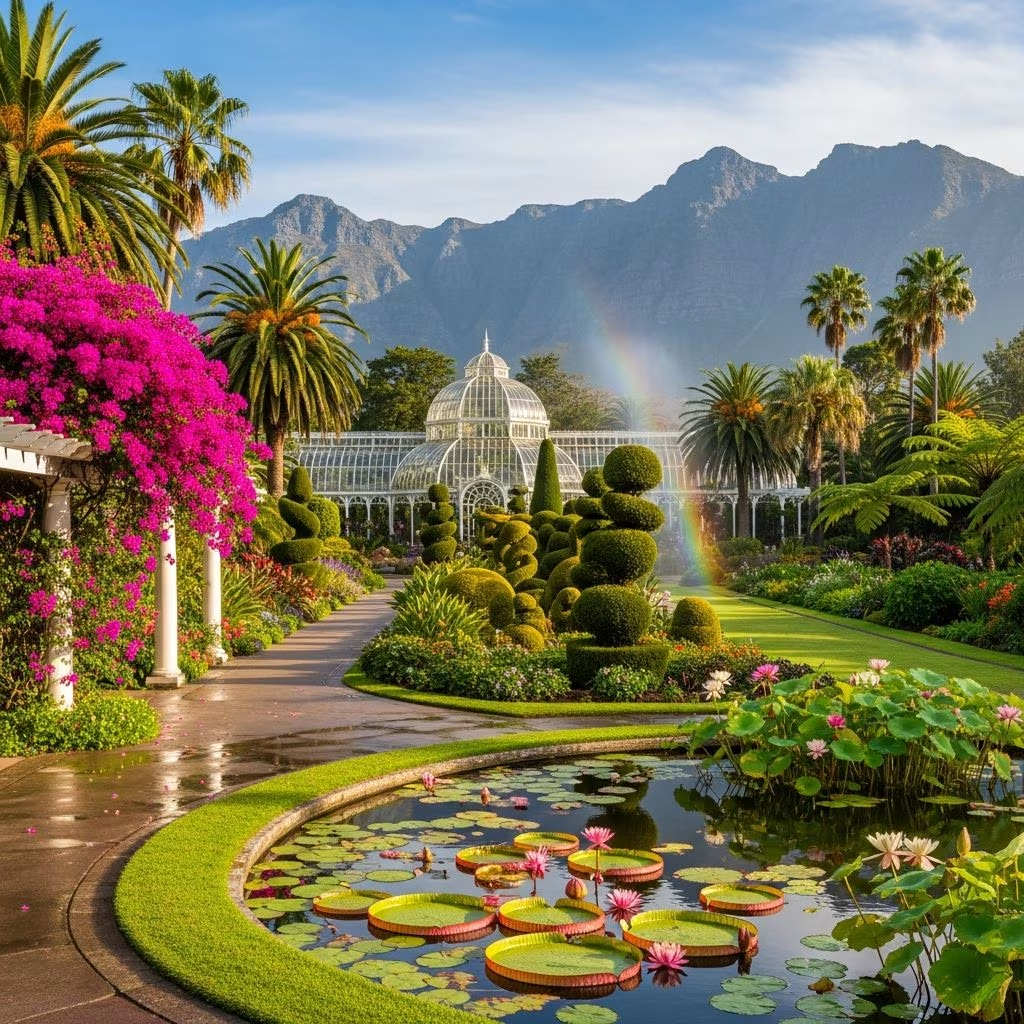
Framed by Table Mountain, this 36-hectare site in Cape Town showcases fynbos biome endemics—proteas, ericas, and restios unique to the Cape. Hiking trails link the garden to the mountain, blending cultivated beds with wild reserves. Acclaimed globally since 1913, it emphasizes indigenous conservation.
Summer concerts under stars and a canopy walkway highlight visits. The Cycad Collection features prehistoric plants, underscoring evolutionary stories.
Part of Rio’s UNESCO landscape, these gardens feature palm avenues and Amazonian orchids amid Atlantic rainforest remnants. Founded in 1808, they house 8,000 species, including victory palms forming iconic tunnels. Monkeys and toucans add wildlife thrill.
Greenhouses display carnivorous plants and medicinal herbs, while lakes host Victoria water lilies. Proximity to Christ the Redeemer enhances combined itineraries.
On Vancouver Island, this 55-acre wonder transformed an exhausted limestone quarry into sunken gardens bursting with seasonal flowers. Since the early 1900s, wheelbarrows of topsoil birthed Italian, Japanese, and rose gardens with fountains and statuary. Nighttime illuminations create magical evenings.
Over 900 varieties bloom in orchestrated displays, from tulip seas to dahlia fireworks. It’s a testament to creative landscaping on challenging terrain.
Overlooking the harbor, Sydney’s garden features native eucalypts, waratahs, and banksias alongside global exotics. Zones mimic Australian biomes, from deserts to rainforests. Founded in 1816, it supports seed banks for fire-adapted species.
Picnic spots and art installations invite leisurely exploration. The Calyx visitor center hosts innovative exhibits on sustainable horticulture.
Near Olympic Park, this expansive site unfolds 30 themed gardens and 10 greenhouses with 22,000 species. Highlights span Japanese tranquility, Chinese pagodas, alpine rockeries, and Indigenous plantings. Biodomes nearby extend the eco-experience.
Insectariums buzz with butterflies, complementing floral splendor. Seasonal festivals amplify cultural ties to global traditions.
Within Golden Gate Park, 55 hectares specialize in 8,000 species, emphasizing California natives and Mediterranean climates. Zones represent South Africa, Australia, and New Zealand florals. Donated in 1926, it’s free for locals, fostering community ties.
Magnolia collections and redwood groves provide shaded retreats. Educational programs target school groups on native conservation.
Optimal timing varies: spring for cherry blossoms in Kyoto, summer fynbos in Kirstenbosch, or dry seasons in tropics. Entry fees range $10-30 USD, with combo tickets for multiple sites. Pack comfortable shoes, water, and cameras. Many offer apps for self-guided tours and accessibility features like wheelchairs.
| Garden | Best Season | Entry Fee (USD approx.) | Must-See |
|---|---|---|---|
| Singapore | Year-round | 15 | Orchid Garden |
| Kew | Spring/Summer | 25 | Treetop Walkway |
| Kirstenbosch | Summer | 10 | Proteas |
| Butchart | Summer | 35 | Sunken Garden |
Kew Gardens in London covers over 300 acres, housing immense diversity.
Yes, with playgrounds, trails, and interactive exhibits in places like Singapore and Sydney.
Singapore’s National Orchid Garden boasts 60,000 plants.
Most do, but some like San Francisco offer free local access; check seasonal passes.
Absolutely—Kew, Madeira, and Kirstenbosch prioritize conservation.
