

 Travel Essentials
 Travel Essentials

Explore diverse flower destinations across continents, from tropical islands to alpine meadows, with timing guides and travel recommendations.
 Travel Essentials
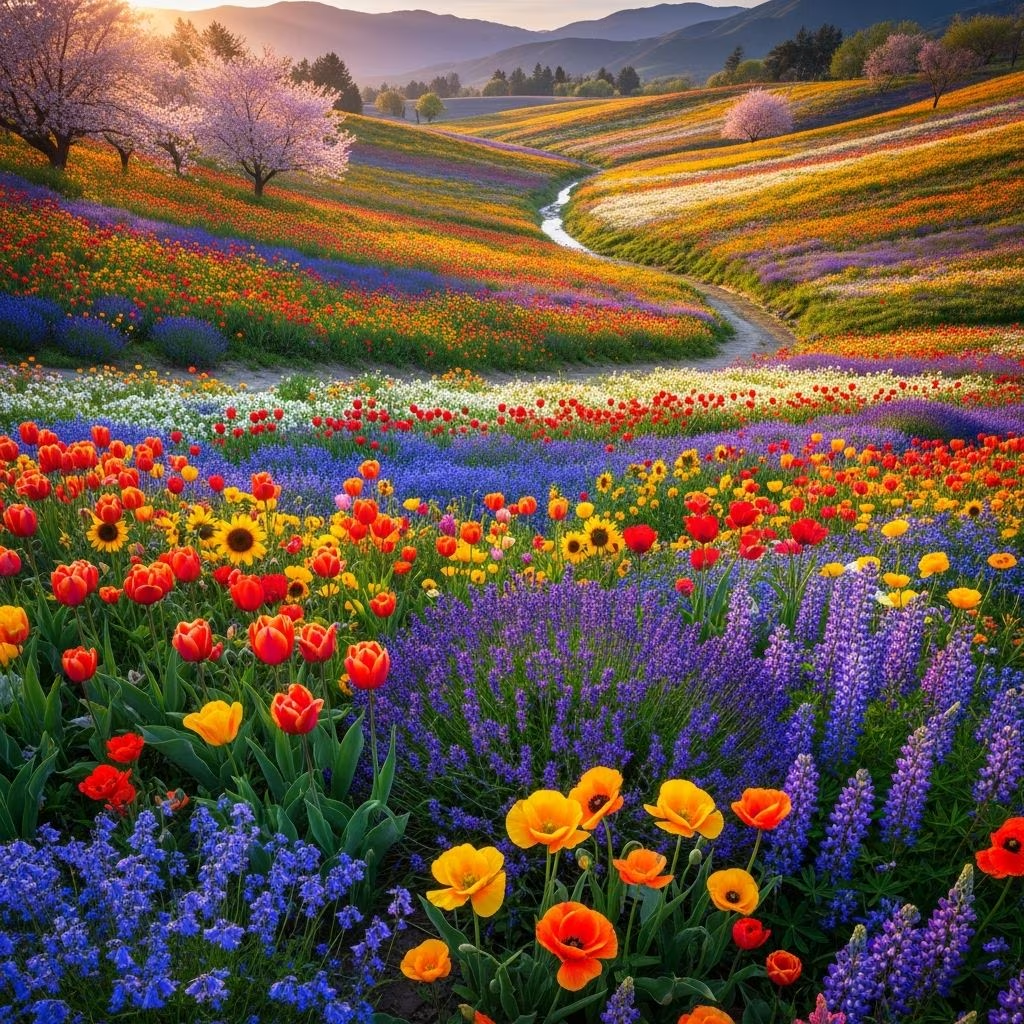
Flowers have captivated human imagination for millennia, drawing travelers to remote corners of the globe in pursuit of breathtaking natural displays. Whether you seek vibrant tapestries of color across vast landscapes or meticulously cultivated gardens showcasing rare botanical specimens, Earth offers an remarkable array of floral experiences. This guide explores the planet’s most compelling destinations for flower enthusiasts, detailing what makes each location special and when to plan your visit for maximum visual impact.
Timing is paramount when pursuing flower viewing experiences worldwide. The concept of peak bloom varies dramatically depending on geographical location, climate patterns, and altitude. Northern hemisphere locations typically experience their most vibrant displays during spring months—March through May—while southern hemisphere destinations reach their flowering zenith during September through November. High-altitude regions and tropical environments operate on entirely different schedules, sometimes flowering multiple times annually or during unexpected seasonal windows.
Understanding these temporal variations allows travelers to align their journeys with optimal viewing conditions. A destination visited at the wrong time may present dormant landscapes, while strategic timing transforms a location into a photographer’s paradise and a nature lover’s sanctuary.
Positioned off Africa’s northwest coast yet administratively Portuguese, Madeira has earned its nickname “the island of flowers” through its exceptional botanical richness. The island’s semi-tropical climate and nutrient-dense volcanic soil create ideal conditions for extraordinary floral diversity. Visitors exploring the island encounter flowers casually dotting roadsides and hillsides simply through standard tourism activities.
For comprehensive botanical education, specialized gardens deserve dedicated visits. Jardins Botânicos da Madeira and Monte Palace Tropical Gardens showcase the island’s impressive plant collections in curated settings. Spring visitation proves particularly rewarding, coinciding with the island’s celebrated flower festival. This seasonal celebration transforms the entire island into a living exhibition, with special events, guided botanical tours, and community participation throughout the festival period.
Japan’s Fuji Shibazakura represents one of Earth’s most visually striking flower concentrations. Located at Mount Fuji’s base, these delicate pink, magenta, and white flowers create a living landscape during April and May. The annual Fuji Shibazakura Festival capitalizes on this phenomenon, inviting visitors to walk through fields transformed into pastel-colored carpets while experiencing the iconic mountain as a dramatic backdrop.
The Netherlands has become synonymous with cultivated flower excellence, particularly through Keukenhof Gardens. Situated in Lisse and accessible via day trips from Amsterdam, Rotterdam, or The Hague, this 32-hectare horticultural masterpiece showcases over 7 million tulips, daffodils, and hyacinths. The garden’s design incorporates lakes, traditional windmills, and forest sections, creating varied environments that frame the massive floral displays. March through May represents the optimal visiting window when bulb flowers reach peak bloom.
Southern France’s lavender fields have transcended simple agricultural functionality to become major tourist attractions. These purple-hued expanses blanket the Provençal countryside during summer months, creating conditions for both contemplative walks and dramatic photography. The lavender’s practical uses—spanning culinary, medicinal, and aromatic applications—add cultural context to the visual spectacle.
Giverny, the village surrounding Claude Monet’s former residence, preserves the artist’s meticulously designed gardens. This location represents the intersection of horticultural artistry and historical significance. The gardens’ intentional composition—featuring water lilies, flower borders, and Japanese bridge elements—demonstrates how deliberate plant selection and arrangement create harmony. Contemporary visitors experience landscapes that inspired some of Western art’s most celebrated works.
Anza-Borrego Desert State Park in Southern California undergoes dramatic seasonal transformation. March typically marks peak bloom season when desert marigolds in yellow, desert sand verbena in purple, and beavertail cactus blooms in pink punctuate sandy landscapes. Under optimal precipitation conditions, this region produces “superblooms”—concentrations of flowers visible from orbital satellites. While predicting these major events proves difficult, recent years have demonstrated their continued possibility, particularly following winter rainfall.
Miracle Garden represents humanity’s determination to cultivate flowers in unlikely environments. This Dubai attraction covers 72,000 square meters and features approximately 150 million flowers arranged into elaborate designs, including topiary sculptures and even a full-size aircraft outline. This feat of horticultural engineering demonstrates how technology and cultivation expertise can overcome desert climate constraints, creating botanical displays in regions where such abundance would otherwise seem impossible.
Shinjuku Gyoen National Garden ranks among Tokyo’s premier destinations for experiencing sakura season’s ephemeral beauty. The garden contains over 1,000 cherry trees representing multiple species, each with staggered bloom times. This botanical diversity extends the viewing season from mid-February through late April, providing extended opportunities to witness these iconic blossoms. The garden’s substantial size and varied tree distribution offer numerous viewing vantage points, from intimate groves to panoramic cherry-lined walkways.
Hitachi Coastal Park showcases nemophilas—tiny blue flowers commonly called “baby blue eyes” in English-speaking regions. These delicate blooms mark spring’s transition into summer across nearly 190 hectares of parkland. The garden’s palette extends beyond nemophilas to include tulips, crocuses, and daffodils, creating diverse color combinations throughout the blooming seasons.
Kirstenbosch National Botanical Garden occupies a setting of dramatic natural grandeur, nestled against Table Mountain’s slopes. This location serves as the primary repository for exploring the Cape Floral Region’s botanical treasures. The region encompasses 12,000 native flower species, with 60 percent existing nowhere else on Earth. August through November represents the optimal viewing window when springtime flowers reach peak display across the garden and surrounding wilderness areas.
Western Australia hosts one of Earth’s largest concentrated floral displays. The region’s 12,000 native flower species create a botanical landscape of unparalleled diversity. While blooms begin appearing in northern regions as early as June, the southwest’s most spectacular and accessible displays occur between September and November. Fitzgerald National Park, positioned approximately five hours southeast of Perth, provides an optimal location for observing this astounding biodiversity concentration.
Valley of Flowers National Park in Uttarakhand’s West Himalayan region represents one of Earth’s most pristine alpine flower sanctuaries. This UNESCO World Heritage Site restricts access to foot traffic exclusively, preserving the landscape’s delicate ecology. Visitors encounter diverse alpine flora carpeting vast meadows following monsoon precipitation. July through September optimal for visitation, when flowers transition from dormancy to full bloom following rain-triggered growth cycles.
Castelluccio’s elevated plateau in central Italy transforms into spectacular wildflower meadows during spring months. The region’s high altitude and continental climate create unique ecological conditions supporting diverse wildflower species. Photography enthusiasts particularly prize this location for its expansive vistas combining floral foregrounds with dramatic landscape backgrounds.
Spain ranks among the world’s three largest poppy-producing nations, with the Zamora province hosting particularly spectacular displays. Recent years have witnessed these scarlet-hued meadows gaining international prominence, attracting tourists and social media influencers seeking to document the delicate flowers’ vibrant beauty. These natural displays rival cultivated gardens in their aesthetic impact while maintaining their untamed character.
Successful flower destination visits demand careful temporal planning. Research specific location bloom periods months in advance, accounting for climatic variations and altitude influences. Subscribe to botanical garden websites and tourism boards for seasonal updates and bloom predictions. Consider traveling during shoulder seasons to avoid peak tourist crowds while still accessing blooming flowers.
Flower destinations inspire visual documentation. Carry appropriate camera equipment suited to varied lighting conditions and distances. Early morning light often produces superior photographs due to reduced harsh shadows and presence of dewdrops enhancing visual appeal. Respect protected areas by remaining on designated paths rather than trampling vegetation for optimal camera angles.
Flower destination accessibility varies significantly. Valley of Flowers requires hiking capabilities and physical fitness. Established gardens typically provide varied terrain options accommodating different mobility levels. Research accessibility features before booking, particularly if traveling with elderly companions or individuals with mobility restrictions.
Flower tourism represents a significant and growing sector of global travel. Conservation efforts increasingly focus on protecting these destinations for future generations. Responsible tourism practices—respecting boundaries, avoiding picking flowers in protected areas, and supporting local economies—ensure these landscapes remain viable for perpetual enjoyment. Many locations have implemented sustainable tourism policies restricting visitor numbers during peak periods and requiring permits for access.
The diversity of flower destinations worldwide ensures that travelers with varied interests, physical abilities, and budget constraints can access meaningful floral experiences. From urban cultivated gardens to remote alpine meadows, from tropical island flora to desert superblooms, Earth’s floral abundance awaits discovery. Strategic planning enables transformation of these natural wonders into unforgettable travel experiences that reconnect visitors with nature’s cyclical rhythms and breathtaking beauty.
Timing varies by location and hemisphere. Northern hemisphere destinations peak during March-May, while southern hemisphere locations bloom August-November. Tropical and high-altitude regions operate on different schedules. Research specific destinations for optimal timing.
Most established gardens remain open year-round with varying floral displays. Natural wildflower locations typically feature dramatic displays during specific seasons, with limited visual appeal during dormant periods.
Pack appropriate footwear for terrain types, sun protection for outdoor exposure, camera equipment for photography, and binoculars for detailed flower observation. Bring insect repellent for locations hosting significant insect populations.
Respect protected area boundaries, avoid picking flowers in natural locations, use designated pathways, support local businesses, and follow all site-specific guidelines. Consider visiting during shoulder seasons to reduce crowd impact.
