

 Travel Essentials
 Travel Essentials

Explore the world's most perilous locations for selfies, backed by incident data from major studies, highlighting falls, drownings, and prevention strategies.
 Travel Essentials
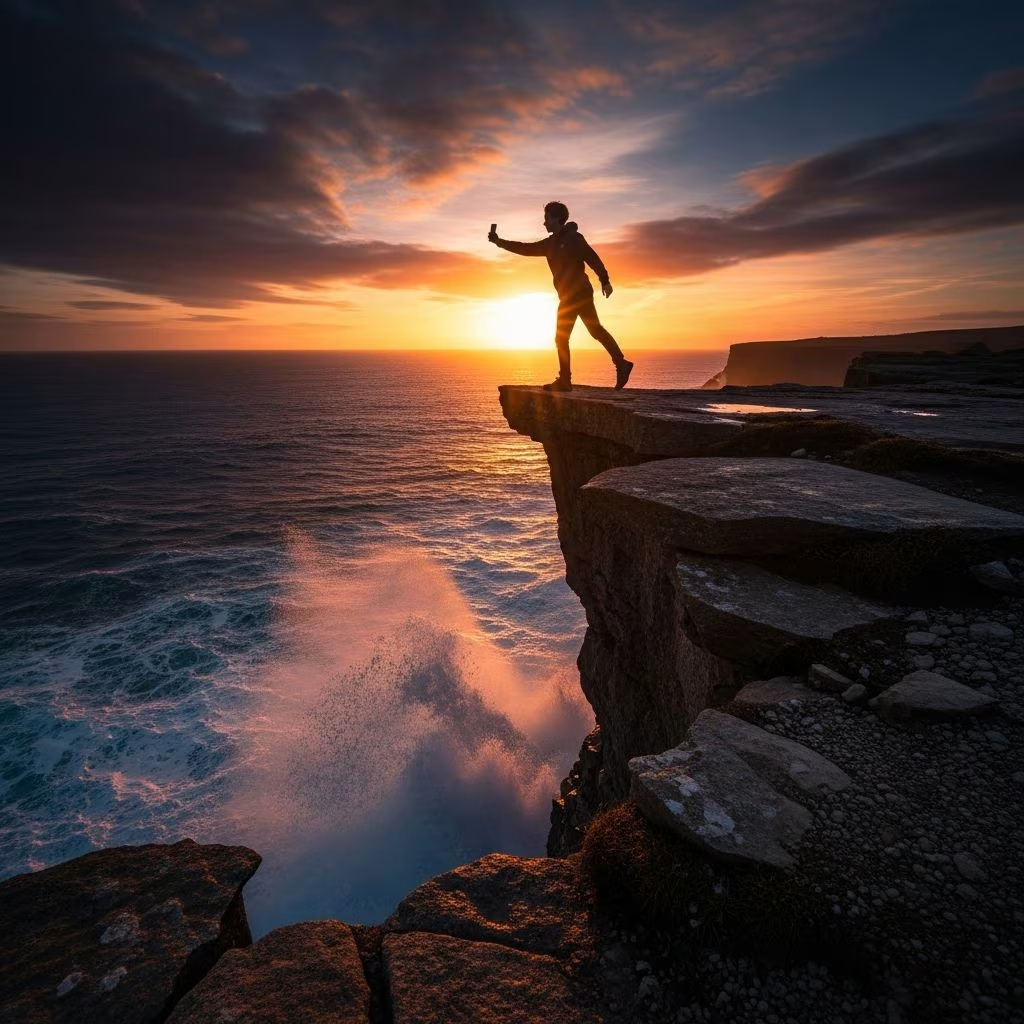
The pursuit of the perfect social media photo has turned breathtaking destinations into deadly traps. From towering waterfalls to iconic monuments, certain locations consistently rank as the most dangerous for selfies due to a mix of natural hazards, crowded conditions, and reckless behavior. Recent analyses covering incidents from 2014 to 2025 show hundreds of casualties worldwide, with falls accounting for nearly half of all fatalities.
Selfie accidents have surged with smartphone ubiquity and social media’s influence. A comprehensive study reviewed over 600 incidents, revealing patterns like proximity to edges, water bodies, and wildlife. India leads with 271 casualties (214 deaths), followed by the United States with 45 (37 deaths), underscoring how popular tourist areas amplify dangers. Drownings and animal encounters round out the top causes, often preventable with basic precautions.
Population density, terrain variety, and tourism volume dictate danger levels. Here’s a ranked table of the deadliest nations based on reported incidents from March 2014 to May 2025.
| Rank | Country | Casualties (Deaths) | Key Factors |
|---|---|---|---|
| 1 | India | 271 (214) | Dense crowds, cliffs, trains, wildlife |
| 2 | United States | 45 (37) | National parks, rooftops, weather stunts |
| 3 | Russia | 19 (18) | Urban heights, icy ledges |
| 4 | Pakistan | 16 (16) | Mountainous terrain, rivers |
| 5 | Australia | 15 (13) | Coastal cliffs, surf zones |
| 6 | Indonesia | 14 (unknown split) | Volcanoes, beaches |
| 7 | Kenya | 13 (unknown split) | Safari wildlife |
| 8 | United Kingdom | 13 (unknown split) | Cliffs, urban rails |
| 9 | Spain | 13 (unknown split) | Festivals, coastal drops |
| 10 | Brazil | 13 (unknown split) | Waterfalls, beaches |
India’s dominance stems from accessible hazards like rivers and tracks amid a vibrant social media scene. The U.S. sees issues in vast parks where isolation delays rescue.
Beyond countries, specific sites draw thrill-seekers into peril. Waterfalls top the list for their slippery edges and powerful currents.
Niagara Falls, straddling Canada and the U.S., claims numerous victims yearly. Visitors climb barriers for panoramic shots, risking 167-foot plunges. Similar tragedies plague sites like Colombia’s Charco El Burro, where hidden currents drag posers underwater.
The Taj Mahal in India sees falls from stairs and walls as tourists jostle for angles. Train tracks en route have killed groups posing nearby. Indonesia’s Nusa Lembongan cliffs lure divers, but edges crumble underfoot.
Australia’s rugged coasts and Bali’s nearby cliffs feature prominently in fatalities. Waves erode footing, turning scenic overlooks into traps. Portugal’s Cabo da Roca and Hong Kong’s Lion Rock report similar drops.
Several factors converge: adrenaline from heights distorts judgment, mirrors or timers divert attention, and group dynamics encourage daring. Crowds push people closer to edges, while poor signage fails to deter. Social media rewards risk, creating a feedback loop where viral peril inspires copycats.
“The mix of dense cities, dramatic landscapes, and social media culture makes for a dangerous combination.”
Heartbreaking stories illustrate the stakes. In India, six cousins drowned in the Godavari River during a group selfie in deep water. A Mumbai promenade saw teens swept out to sea. U.S. national parks log falls from Yosemite cliffs and Grand Canyon rims. Spain’s Running of the Bulls in Pamplona bans selfies after near-misses, with fines up to $4,000. Elephants in India have charged posers, turning fun into hospitalization.
Prevention is straightforward. Use these guidelines to enjoy views without regret.
Authorities respond too: India’s 16 ‘no-selfie zones’ impose fines. U.S. parks add warning signs and patrols. Apps like SelfieSafe map hazards using crowdsourced data.
The ‘do it for the feed’ mindset fuels 80% of incidents. FOMO (fear of missing out) and dopamine from likes override caution. Younger travelers (18-34) dominate statistics, per global reviews. Education campaigns shift norms, emphasizing memories over metrics.
Falls from heights (46%), followed by drownings and vehicle strikes.
Yes, with 42% of global incidents due to accessible risks and high tourism.
Use timers, wide lenses, and stay 6+ feet from edges with a spotter.
Yes, in zones like India’s no-selfie areas and Spain’s bull runs, with hefty fines.
Follow ranger advice; many U.S. sites ban solo edge photos.
AI phone features now detect risky poses, vibrating warnings near detected cliffs via GPS. Wearables track heart rates, alerting for panic. Travel apps integrate hazard maps. As awareness grows, incidents may decline, but vigilance remains key.
In summary, stunning spots need not be fatal. Prioritize safety: the best photo is one you’re alive to post. Plan ahead, respect limits, and share responsibly.
