

 Travel Essentials
 Travel Essentials

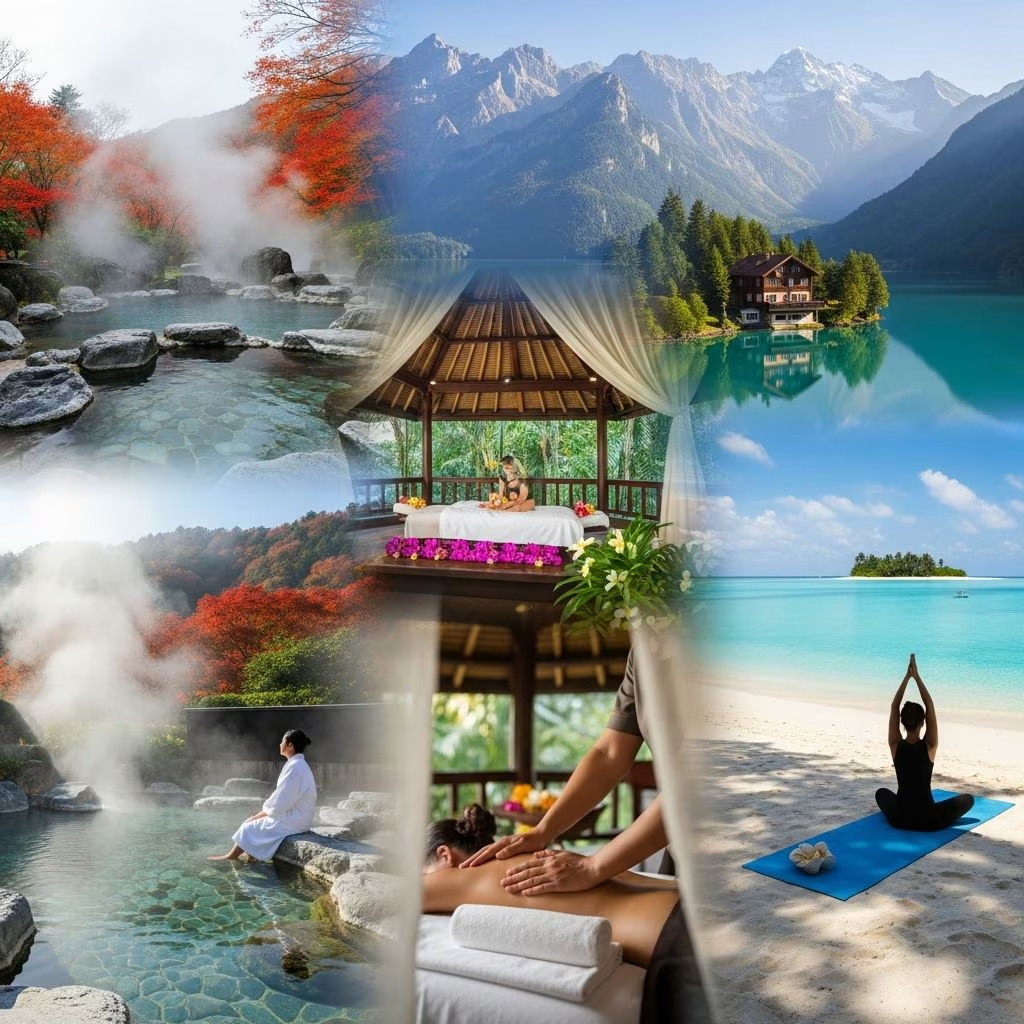
Explore Earth's most tranquil nations offering natural beauty, cultural harmony, wellness practices, and peaceful environments ideal for rejuvenation.
 Travel Essentials
In an increasingly fast-paced world, the desire to escape to tranquil environments has never been stronger. Travelers seeking respite from daily pressures increasingly prioritize destinations that offer not just scenic beauty, but genuine opportunities for mental and physical restoration. The characteristics that define truly relaxing destinations extend far beyond comfortable accommodations—they encompass cultural attitudes toward leisure, environmental quality, accessibility to nature, and the presence of established wellness traditions.
Understanding what makes certain regions exceptionally peaceful requires examining multiple factors: climate patterns, population density, cultural practices emphasizing downtime, availability of natural attractions, and infrastructure supporting contemplative activities. The world’s premier relaxation destinations share common threads: they celebrate slowness, maintain environmental integrity, and have developed distinctive approaches to well-being that visitors can authentically experience.
The concept of a relaxing travel experience varies significantly across cultures and individuals. For some, relaxation means immersion in natural landscapes untouched by development. For others, it involves engaging with local wellness traditions that have evolved over centuries. Research examining travel preferences identifies several universal markers of genuinely peaceful destinations.
Environmental Quality stands as a primary factor—destinations with abundant natural spaces, minimal light pollution, and pristine air quality consistently rank highest among travelers seeking stress reduction. The psychological benefits of natural environments are well-documented, with exposure to greenery and water features demonstrating measurable impacts on anxiety reduction and mood enhancement.
Cultural Philosophy regarding time and leisure profoundly shapes the visitor experience. Nations with established practices emphasizing afternoon rest periods, spa traditions, or meditation-centered activities create social frameworks supporting relaxation. These cultural norms become embedded in daily routines, making relaxation not an exception but a normalized aspect of life.
Infrastructure Supporting Wellness includes accessibility to spa facilities, yoga studios, meditation centers, and outdoor recreation without excessive commercialization. The distinction between authentic wellness establishments and tourist-oriented imitations significantly impacts the quality of restorative experiences.
Southeast Asian nations have emerged as premier destinations for travelers prioritizing relaxation, combining natural abundance with deeply rooted wellness philosophies. These countries benefit from tropical climates, extensive biodiversity, and cultural traditions emphasizing spiritual well-being.
Regional leaders in relaxation tourism demonstrate sophisticated approaches to balancing tourism development with environmental preservation and cultural authenticity. The region’s spas, meditation centers, and wellness retreats reflect generations of accumulated knowledge regarding therapeutic practices.
Island nations in the Pacific and Oceania present distinctive advantages for travelers seeking comprehensive relaxation experiences. Geographic isolation, smaller population centers, and marine environments create naturally peaceful settings.
These destinations typically feature slower pace of life, strong community connections, and tourism models emphasizing sustainable practices. The surrounding ocean environment provides therapeutic benefits documented through environmental psychology research, with water proximity consistently correlating with reduced stress markers.
Many Pacific island destinations maintain limited infrastructure specifically designed to control tourism volume and preserve environmental conditions. This intentional approach protects both natural resources and the quality of visitor experiences, ensuring that relaxation-seeking travelers encounter authenticity rather than commercialized recreation.
Europe offers distinct relaxation approaches rooted in different cultural traditions and environmental contexts. Nordic countries exemplify integrated wellness philosophies incorporating sauna culture, outdoor recreation, and lifestyle practices emphasizing work-life balance.
The Nordic model—encompassing countries known for high quality of life indices—incorporates relaxation into fundamental social structures. Extended vacation periods, accessibility to nature, and cultural acceptance of leisure time create environments naturally supportive of stress reduction.
Mediterranean regions present alternative European relaxation models centered on extended meal times, outdoor social engagement, and celebration of seasonal rhythms. The practice of afternoon rest periods—whether termed siesta, mesimeri, or other regional variations—reflects philosophical acceptance that human productivity and well-being benefit from integrated rest cycles.
| Region | Primary Relaxation Elements | Cultural Practices |
|---|---|---|
| Southeast Asia | Spas, meditation, natural beauty | Mindfulness, herbal traditions |
| Pacific Islands | Marine environments, pristine beaches | Community-focused lifestyle |
| Nordic Countries | Sauna, outdoor access, nature | Work-life balance, extended vacation |
| Mediterranean | Coastal beauty, outdoor dining | Siesta, social gatherings, leisure |
Beyond geographic regions, specific wellness traditions have made certain destinations particularly attractive to relaxation-focused travelers. These practices represent centuries of cultural development and refined understanding of restoration techniques.
Thermal Spring Cultures exist in multiple regions, with Japan particularly renowned for hot spring philosophy. The practice of bathing in naturally heated mineral waters combines physical relaxation with spiritual renewal, creating experiences that engage multiple dimensions of well-being.
Spa and Massage Traditions in various Asian countries represent highly developed therapeutic systems. These practices extend beyond simple relaxation, incorporating principles from traditional medicine systems and targeting specific physical and energetic pathways.
Meditation and Spiritual Practices form the foundation of relaxation experiences in numerous destinations. Countries with longstanding meditation traditions offer visitors authentic opportunities to learn techniques in their cultural and geographic contexts of origin.
Sauna Philosophies prevalent in Nordic regions reflect integrated approaches to health incorporating heat therapy, cold exposure, and social connection. These practices represent holistic wellness models addressing physical, mental, and social dimensions of health.
The quality and accessibility of natural environments profoundly influence destination relaxation value. Destinations preserving significant natural areas—forests, wetlands, coral reefs, and mountain regions—offer therapeutic experiences through direct environmental contact.
Research in environmental psychology documents measurable stress-reduction benefits from forest exposure, water proximity, and biodiversity contact. Destinations maintaining pristine natural conditions enable visitors to access these therapeutic benefits while supporting conservation through tourism revenue.
Light pollution levels represent an often-overlooked environmental factor influencing relaxation quality. Destinations preserving dark night skies enable visitors to experience celestial viewing and circadian rhythm regulation often impossible in developed urban areas. The psychological impact of starlit skies and the absence of artificial light disruption contributes meaningfully to overall restoration experiences.
Perhaps most fundamentally, relaxation destinations reflect cultural philosophies regarding time value and leisure legitimacy. Societies viewing leisure as essential to human flourishing rather than as absence of productivity create social environments naturally supportive of visitor relaxation.
National policies regarding public holidays, vacation entitlements, and workplace expectations regarding off-time shape cultural norms around relaxation. Destinations with generous public holiday allocations and cultural acceptance of extended rest periods embed relaxation into social fabric in ways affecting visitor experiences.
The concept of seasonal living—adjusting activities and pace to natural seasonal rhythms—remains prevalent in certain cultures. Destinations maintaining these patterns offer visitors opportunities to experience temporal rhythms aligned with natural cycles rather than industrial standardization.
Truly relaxing destinations maintain balance between visitor accessibility and environmental preservation. Excessive infrastructure development, tourism crowding, and commercialization undermine authentic relaxation experiences regardless of natural attributes.
Destinations implementing tourism
