


 Food & Culture
Food & Culture
The World’s Weirdest Beers: Experimental Brews Pushing Boundaries
From fruit-infused lambics to ultra-high-ABV brews, discover how brewers worldwide are pushing beer beyond tradition with bold ingredients and flavors.
 Food & Culture
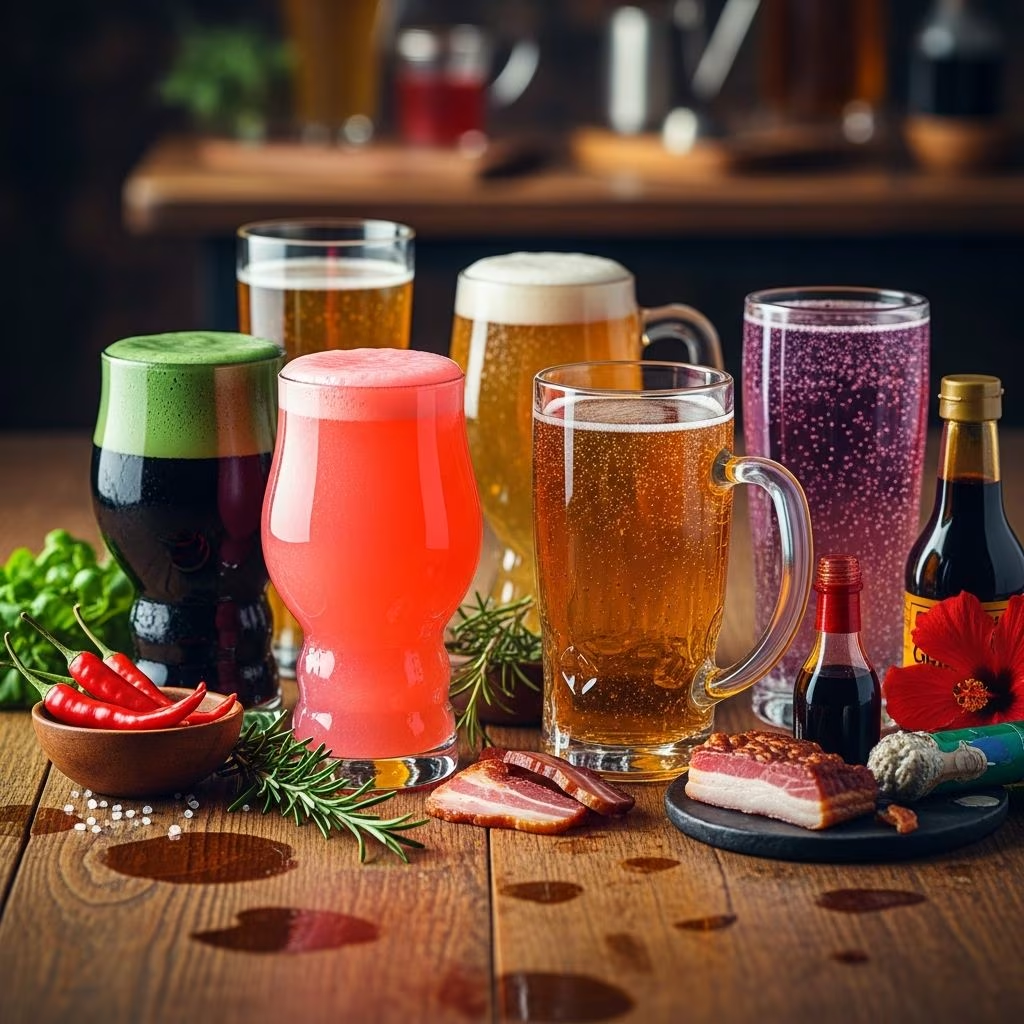
The global brewing industry has long been defined by tradition, with many regions adhering to strict guidelines and time-honored methods. However, a growing segment of innovative brewers is challenging these conventions, creating beverages that blur the line between beer and experimental art. These unconventional creations showcase how brewers worldwide are pushing boundaries with unexpected ingredients, extreme alcohol content, and flavor combinations that would have been unthinkable just decades ago.
The Evolution of Experimental Brewing
Modern craft brewing has transformed from a pursuit of perfection within established parameters to a celebration of creative experimentation. Brewers are no longer content with producing variations on classic styles; instead, they’re incorporating elements from culinary traditions, local ingredients, and daring flavor profiles. This shift reflects broader changes in consumer preferences, where novelty and uniqueness often take precedence over adherence to historical brewing standards.
The rise of social media and digital connectivity has amplified interest in these unusual brews, turning them into conversation pieces and collectible items for enthusiasts. Craft breweries recognize that creating memorable experiences through distinctive flavors generates attention and builds loyal customer bases. This cultural moment has enabled breweries from small towns to major cities to gain international recognition for their unconventional approaches.
Fruit-Forward Innovation: Beyond Traditional Lambics
Cherry-infused beers represent one of the most accessible entry points into fruit-based brewing, with Belgian producers leading the charge in this category. These brews combine traditional beer craftsmanship with the tartness and sweetness of carefully selected fruits, creating beverages that appeal to both traditional beer drinkers and those seeking lighter flavor profiles.
The foundation of these fruit beers often rests on lambic traditions, where spontaneous fermentation and barrel aging create complex base brews ready to accept fruit additions. The interplay between the beer’s natural acidity, the fruit’s sugars, and residual yeast creates layered taste experiences that evolve on the palate. Breweries producing these beverages spend considerable time perfecting fruit selection and integration ratios, ensuring that the fruit enhances rather than overwhelms the underlying beer character.
Beyond cherries, brewers experiment with raspberries, apricots, peaches, and exotic fruits imported from specialty suppliers. Each fruit presents unique challenges in preservation, flavor extraction, and fermentation dynamics. The most successful fruit beers balance sweetness with underlying beer complexity, creating products that satisfy both curiosity seekers and serious beer connoisseurs.
Protein-Based Provocations: Animal Products in Brewing
Perhaps the most shocking category of unconventional beers involves the incorporation of animal-derived ingredients, particularly those that fall well outside culinary norms in Western traditions. These brews challenge fundamental assumptions about what belongs in beer and push cultural boundaries regarding acceptable ingredients.
Some breweries have famously incorporated bovine testicles into their recipes, creating substantial stout brews that emphasize richness and depth. These proteins contribute subtle savory notes and modify the beer’s mouthfeel, though the psychological impact of consuming such ingredients often exceeds any measurable flavor difference. Marketed with tongue-in-cheek humor, these beers generate significant media attention and serve as conversation starters at breweries and social gatherings.
Marine ingredients present another frontier for protein-based brewing innovation. Certain Icelandic breweries have ventured into territory most would consider taboo, incorporating marine mammal products that are legal and occasionally consumed in Nordic regions. These beers combine the marine ingredient with smoking processes using unconventional fuel sources, creating flavor profiles that are simultaneously off-putting and intriguing to adventurous consumers.
The consumption of these beers often becomes a rite of passage for beer enthusiasts seeking authentic extreme-brewing experiences. Enthusiasts report surprising palatability behind the controversial ingredients, with many noting that the psychological barrier proves more significant than the actual flavor impact.
Extreme Alcohol Content: When Beer Becomes Spirit
At the opposite end of the brewing spectrum lie beers engineered for maximum alcohol content, sometimes reaching levels more commonly associated with distilled spirits. These beverages challenge the very definition of beer, raising questions about where fermented beverages end and spirits begin.
Certain Scottish breweries have gained international acclaim for producing exceptionally high-alcohol brews, with some releases exceeding 60% alcohol by volume. Creating such powerful beverages requires specialized yeast strains, extended fermentation periods, and careful temperature management to keep yeast cells alive as alcohol concentration climbs. The resulting beverages possess more in common with fortified wines or spirits than conventional beers, featuring warming alcohol sensations that dominate the palate.
These extreme beers typically come in modest serving sizes, with producers recommending consumption in shot glasses rather than traditional pint vessels. The experience resembles spirit tasting more than beer drinking, with consumers savoring small quantities rather than enjoying extended drinking sessions. Pricing reflects the specialized production methods and limited batch sizes, placing these brews among the most expensive beverages in the beer category.
Savory and Spiced Directions
Beyond fruit and proteins, contemporary brewers are exploring savory flavor dimensions through herbs, spices, and unexpected culinary ingredients. German smoking traditions have influenced modern brewers to experiment with smoked malts, creating beers that evoke the aroma of smoked meats and cherrywood fires.
Contemporary interpretations push this concept further, with breweries incorporating ingredients like wheat and exotic wood smoke combinations. These brews challenge palates accustomed to crisp, clean beer flavors, offering instead substantial, chewy textures and pronounced smokiness that demands attention.
Spiced beer traditions draw from historical brewing practices, where brewers added locally available herbs and spices before hops became standardized. Modern brewers revisit these approaches with contemporary twist, incorporating ghost peppers, cardamom, cinnamon, and other specialty spices. The results range from harmoniously integrated flavors to challenging, almost punishing heat experiences designed to test consumer tolerance.
Chili-infused beers represent the intersection of culinary experimentation and extreme flavor profiles. Producers select multiple chili varieties, balancing heat intensity with complementary flavors that create layered experiences. Enthusiasts report that these beers demand respect, with some designed more as challenges than everyday drinking experiences.
Luxury Ingredients and Premium Positioning
Some breweries elevate their products through incorporation of luxury ingredients traditionally associated with fine dining. Truffle-infused pilsners represent this category, combining beer craftsmanship with culinary prestige. These beverages target affluent consumers seeking novel experiences and status-symbol products, with pricing reflecting ingredient costs and brand positioning.
The integration of truffles into beer presents technical challenges, as the ingredient’s delicate flavor profile can easily become overwhelmed during fermentation or lost entirely through heat exposure. Successful producers employ specialized techniques, sometimes adding truffle components post-fermentation to preserve flavor integrity. The resulting beverages offer umami complexity and earthy undertones that complement wine and fine food pairings.
These premium offerings represent the intersection of beer culture and luxury consumption, appealing to consumers who view beverages as status markers and memorable experiences rather than merely functional products.
Historical and Cultural Resurrections
Some breweries pursue unconventional approaches through historical research, attempting to recreate ancient brewing methods or lost recipes. Archaeological discoveries occasionally reveal remnants of prehistoric brewing traditions, inspiring contemporary brewers to reconstruct these beverages using period-appropriate techniques and available ingredients.
Pre-Columbian brewing traditions present particularly interesting challenges, as these practices often involved ingredients unfamiliar to contemporary brewers. Recreating ancient South American preparations requires study of historical texts, collaboration with cultural experts, and willingness to embrace unfamiliar fermentation methods. Limited releases of these historically inspired brews attract both anthropology enthusiasts and adventurous beer drinkers seeking connections to cultural heritage.
Functional Integration and Culinary Partnerships
Progressive breweries increasingly design beers as components of broader culinary experiences rather than standalone beverages. This approach, borrowed from wine culture, positions specific brews as pairings for particular dishes or multicourse meals.
Vietnamese-inspired beers incorporating traditional ingredients from that cuisine exemplify this trend. By integrating herbs, spices, and proteins characteristic of specific culinary traditions, breweries create beverages that enhance dining experiences while celebrating cultural food traditions. These collaborative brews often result from partnerships between breweries and restaurants, creating limited releases tied to specific menus or seasonal offerings.
This functional positioning allows breweries to justify premium pricing and appeal to consumers viewing beverages as essential components of gastronomic adventures rather than casual refreshments.
Consumer Reception and Market Dynamics
The market for unconventional beers demonstrates surprising resilience despite challenging flavor profiles and elevated price points. Enthusiasts actively seek these beverages, often viewing consumption as participation in cultural moments and opportunities for social sharing. The novelty factor combines with genuine appreciation for brewing innovation to sustain demand across diverse markets.
Social media amplification has transformed consumption experiences into shareable moments, with consumers documenting reactions and taste experiences. This dynamic creates viral potential for particularly outrageous offerings, generating media coverage that extends far beyond traditional beer enthusiast communities.
However, the market for truly extreme beers remains limited to dedicated enthusiasts and novelty seekers. Most consumers maintain preferences for established styles and familiar flavors, indicating that experimental brewing, while fascinating, remains a niche category rather than mainstream movement.
Technical Challenges in Unconventional Brewing
Producing unconventional beers requires solving unique technical problems absent from traditional brewing. Incorporating proteins, unusual fats, or delicate ingredients can interfere with fermentation, clarity, and shelf stability. Brewers must develop specialized processes, often through extensive trial and error, to achieve desired results.
Extreme alcohol production necessitates yeast selection, nutrition management, and temperature control far exceeding standard brewing requirements. Creating stable, palatable beverages at 60%+ alcohol represents a significant technical achievement requiring substantial expertise and investment.
Historical recreation presents research challenges, as ancient brewing documentation is often incomplete or ambiguous. Brewers must make educated guesses about ingredient ratios, fermentation temperatures, and equipment, knowing their recreations represent interpretations rather than exact reproductions.
Future Directions in Experimental Brewing
As brewing techniques advance and consumer interest in culinary experimentation grows, expect continued innovation in unconventional beer production. Emerging technologies like precision fermentation and ingredient isolation may enable brewers to capture specific flavor compounds from unusual sources without incorporating entire ingredients. Biotechnology applications could produce synthetic flavor compounds replicating unusual ingredients while avoiding ethical or practical complications.
Climate change may paradoxically expand ingredient possibilities, as changing agricultural conditions introduce new crops and flavors to beer-producing regions. Simultaneously, environmental concerns regarding certain ingredients may push breweries toward alternative approaches.
International collaboration and cultural exchange will likely accelerate as brewers gain easier access to traditional ingredients and historical brewing knowledge. This globalization of brewing culture may produce hybrid styles combining techniques and flavors from multiple traditions into genuinely novel beverages.
Regulatory and Cultural Considerations
The legality and cultural acceptance of unconventional ingredients varies significantly across jurisdictions. While some regions embrace experimental brewing with minimal restrictions, others maintain strict ingredient specifications or safety regulations that complicate innovative approaches. Breweries must navigate these legal frameworks while pursuing creative visions.
Cultural attitudes toward specific ingredients influence market viability. Ingredients acceptable in Scandinavian cultures may provoke strong negative reactions elsewhere. Successful breweries demonstrate cultural sensitivity while maintaining unconventional approaches, carefully communicating their offerings to target audiences likely to appreciate experimental approaches.
Conclusion: The Evolving Definition of Beer
The proliferation of unconventional beers represents more than mere novelty-seeking. These beverages reflect evolving attitudes toward food, drink, and cultural traditions, challenging assumptions about acceptable ingredients and appropriate flavors. By incorporating unexpected elements—whether fruits, proteins, extreme alcohol content, or culinary ingredients—contemporary brewers expand possibilities for beverage creation and consumption experiences.
While most consumers will continue preferring traditional beer styles, the existence of experimental alternatives enriches the broader brewing landscape, attracting attention and generating enthusiasm among adventurous drinkers. These unconventional creations transform beer from a category defined by established parameters into an open canvas for creative expression, pushing boundaries and challenging assumptions about what beer can be.
References
- 8 of the weirdest beers from around the world — Lonely Planet. 2023. https://www.lonelyplanet.com/articles/weirdest-beers-from-around-the-world
- The Most Unusual Beers I’ve Had Around the World — Perceptive Travel. 2022-04-15. https://perceptivetravel.com/blog/2022/04/15/unusual-beers/
- Beer Crimes: 9 of the weirdest and worst beers ever brewed — The Growler BC. 2023. https://bc.thegrowler.ca/features/beer-crimes-9-of-the-weirdest-and-worst-beers-ever-brewed/
- The Top 5 Strangest New Beers You Probably DON’T Want To Try — Duffy’s Brew. 2023. https://www.duffysbrew.com/blog/the-top-5-strangest-new-beers-you-probably-dont-want-to-try/
On This Page
The Evolution of Experimental Brewing Fruit-Forward Innovation: Beyond Traditional Lambics Protein-Based Provocations: Animal Products in Brewing Extreme Alcohol Content: When Beer Becomes Spirit Savory and Spiced Directions Luxury Ingredients and Premium Positioning Historical and Cultural Resurrections Functional Integration and Culinary Partnerships Consumer Reception and Market Dynamics Technical Challenges in Unconventional Brewing Future Directions in Experimental Brewing Regulatory and Cultural Considerations Conclusion: The Evolving Definition of Beer← Previous
How Beekeepers Around the World Are Saving Bees
Next →
25 Fascinating London Facts You Probably Didn’t Know
Related Reading
More in Food & Culture
Food & Culture Food & Culture
 Food & Culture
Best Places to Eat in Rome: Neighborhood Dining Guide
 Food & Culture
 Food & Culture