

 Travel Essentials
 Travel Essentials

Complete guide to Theodore Roosevelt National Park featuring scenic drives, hiking trails, wildlife viewing, and visitor essentials for planning your adventure.
 Travel Essentials
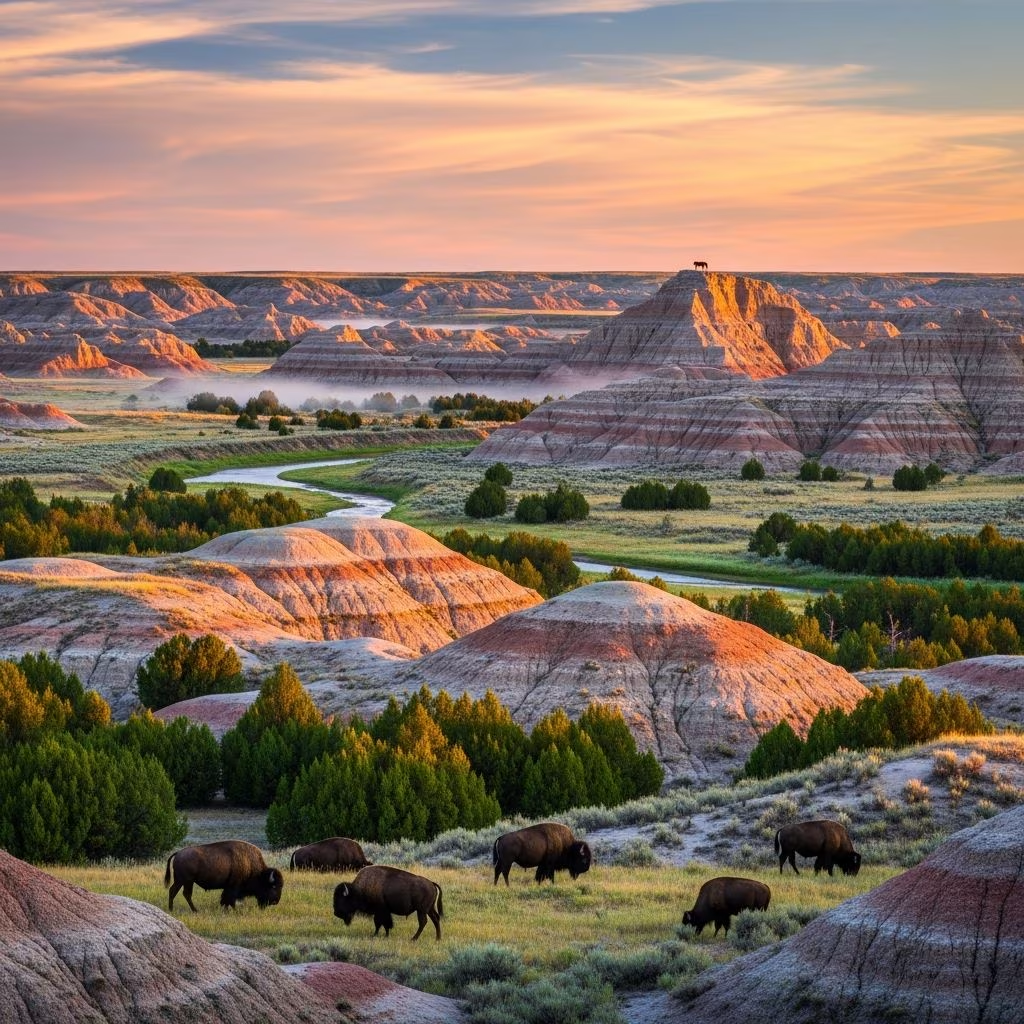
Nestled in the rugged landscape of western North Dakota, Theodore Roosevelt National Park spans approximately 70,000 acres of pristine wilderness that showcases some of America’s most dramatic natural scenery. This expansive park attracts visitors seeking authentic outdoor experiences, from wildlife enthusiasts to hiking aficionados. Unlike many popular national parks, Theodore Roosevelt remains relatively undiscovered by mainstream tourism, offering visitors a chance to explore unspoiled terrain and encounter diverse wildlife in their natural habitat.
Theodore Roosevelt National Park comprises three distinct units, each offering unique landscapes and recreational opportunities. The South Unit, located near the town of Medora, serves as the primary access point for most visitors and contains the main visitor center. The North Unit, positioned roughly an hour’s drive away, features its own scenic attractions and hiking trails. A third unit, separated by considerable distance, provides additional exploration opportunities for dedicated park visitors.
An important consideration for trip planning involves the park’s division across two time zones. The North Unit operates on Central Time, while the South Unit follows Mountain Time. This one-hour difference can affect scheduling activities between units and requires careful attention when planning a multi-unit visit.
Theodore Roosevelt National Park welcomes visitors throughout the year, with each season presenting distinct advantages and challenges. The park’s visitor center hours adjust seasonally to accommodate changing conditions. During winter months, occasional road closures occur due to snow and ice accumulation, potentially limiting access to certain areas. Conversely, summer and fall months typically offer optimal visiting conditions with stable weather patterns and full accessibility to park facilities.
Camping facilities remain operational year-round, allowing hardy adventurers to experience the park’s beauty regardless of season. However, winter camping requires appropriate preparation and gear, as temperatures can drop significantly.
Visitors planning trips to Theodore Roosevelt National Park should understand the limited services available within park boundaries. The park contains no restaurants, hotels, or commercial dining establishments. All food and lodging must be sourced from nearby communities, particularly Medora, which serves as the primary gateway town.
Key facility details:
The North Unit features a 28-mile round-trip scenic loop that showcases dramatic badlands formations, river valleys, and expansive prairie vistas. This out-and-back drive provides numerous pullouts and overlook points for photography and contemplation. The journey traverses varied terrain, revealing the geological complexity and natural beauty that define the park.
Notable overlook destinations include:
Oxbow Overlook stands as a particularly accessible and rewarding destination. Interpretive signage explains the geological processes that created the river’s distinctive oxbow configuration, a classic meander formation visible from the overlook. Early morning visits to capture sunrise colors or evening excursions for sunset photography create memorable experiences.
Theodore Roosevelt National Park supports diverse wildlife populations, making it an exceptional destination for nature observation. The park’s vast grasslands and river bottomlands provide habitat for numerous species, including the American bison, which the National Park Service recognizes as America’s national mammal.
Primary wildlife viewing opportunities:
The Little Missouri River creates distinctive habitat diversity, with hardwood draws providing shelter for various species while open prairies support grazing animals. Patient observation from scenic overlooks often rewards visitors with wildlife sightings, particularly during early morning and evening hours when animals are most active.
The park offers hiking options suitable for various fitness levels and time commitments. Trails range from short, accessible walks to challenging multi-mile treks through prairie and badlands terrain.
Representative trail types:
The Petrified Forest Loop presents an interesting moderate-difficulty option, winding past remnants of an ancient coal seam that burned centuries ago. This trail provides both hiking exercise and geological education as visitors observe the landscape’s complex history.
Historic trails connect visitors to the region’s ranching heritage, including routes once traveled by Theodore Roosevelt himself during his time as a Dakota Territory rancher. These paths offer both physical exercise and historical context, linking modern visitors to the park’s namesake and the region’s pioneer era.
Visitors traveling with pets should understand park regulations regarding animal companions. Dogs and other pets are welcome throughout the park but must remain on leashes at all times. Pets cannot access hiking trails, restricting their participation to scenic drives and other pet-friendly areas.
The park provides various accessibility features and programs to accommodate visitors with different mobility requirements. Visitor centers offer information regarding which trails and areas provide wheelchair access or require minimal physical exertion. Park rangers can provide personalized recommendations based on individual accessibility needs.
Theodore Roosevelt National Park’s primitive campgrounds offer authentic outdoor experiences in natural settings. Located in shady cottonwood groves adjacent to the Little Missouri River, these campgrounds provide ideal bases for extended park exploration.
Camping characteristics:
Campers should prepare adequately for primitive conditions and bring necessary gear including water containers, cooking equipment, and appropriate shelter. The park’s campgrounds lack modern conveniences like full hookups or running water, requiring self-sufficient camping practices.
Pre-visit preparation checklist:
The South Unit Visitor Center in Medora serves as the primary information hub. Park rangers stationed there provide trail recommendations, wildlife viewing guidance, and current park conditions. The North Unit maintains a smaller visitor center with restroom facilities and basic information services.
Medora, located adjacent to the South Unit, functions as the primary gateway community. This historic town provides lodging, dining, and entertainment options necessary for park visitors seeking off-park amenities. The Medora Musical and steak fondue dinner experiences have become signature activities for visitors combining park exploration with cultural experiences.
Additional North Dakota communities surrounding the park offer supplementary services and attractions for extended regional visits. Researching gateway towns allows visitors to optimize their overall travel experience while accessing necessary supplies and services.
While technically possible, the one-hour drive between units plus scenic drives and hiking within each area makes a rushed single-day visit challenging. Most visitors benefit from dedicating at least two days to experience both units adequately.
Essential items include adequate water (at least 2-3 liters per person), snacks or packed meals, sunscreen, hat, appropriate footwear, binoculars for wildlife viewing, and camera equipment. North Unit visitors particularly should bring provisions, as food options are nonexistent nearby.
Park rangers offer interpretive programs and guided activities during operating seasons. Contact visitor centers for current program schedules and topics.
Early morning and evening hours typically provide optimal wildlife observation opportunities when animals are most active. Spring and fall offer particularly good conditions for bison and elk viewing.
No. While dogs are permitted in the park on leashes, they cannot access hiking trails. Dogs may accompany visitors on scenic drives and in campground areas.
Visitors play essential roles in preserving Theodore Roosevelt National Park for future generations. Practicing Leave No Trace principles, staying on designated trails, and respecting wildlife from appropriate distances protect the park’s ecological integrity. All visitors should understand that harassing wildlife, removing natural objects, or damaging park features violates federal regulations and diminishes the experience for others.
Theodore Roosevelt National Park represents a precious natural resource combining geological wonder, ecological diversity, and historical significance. By planning thoughtfully, respecting park regulations, and approaching the landscape with appreciation and care, visitors create meaningful outdoor experiences while contributing to long-term park preservation.
