


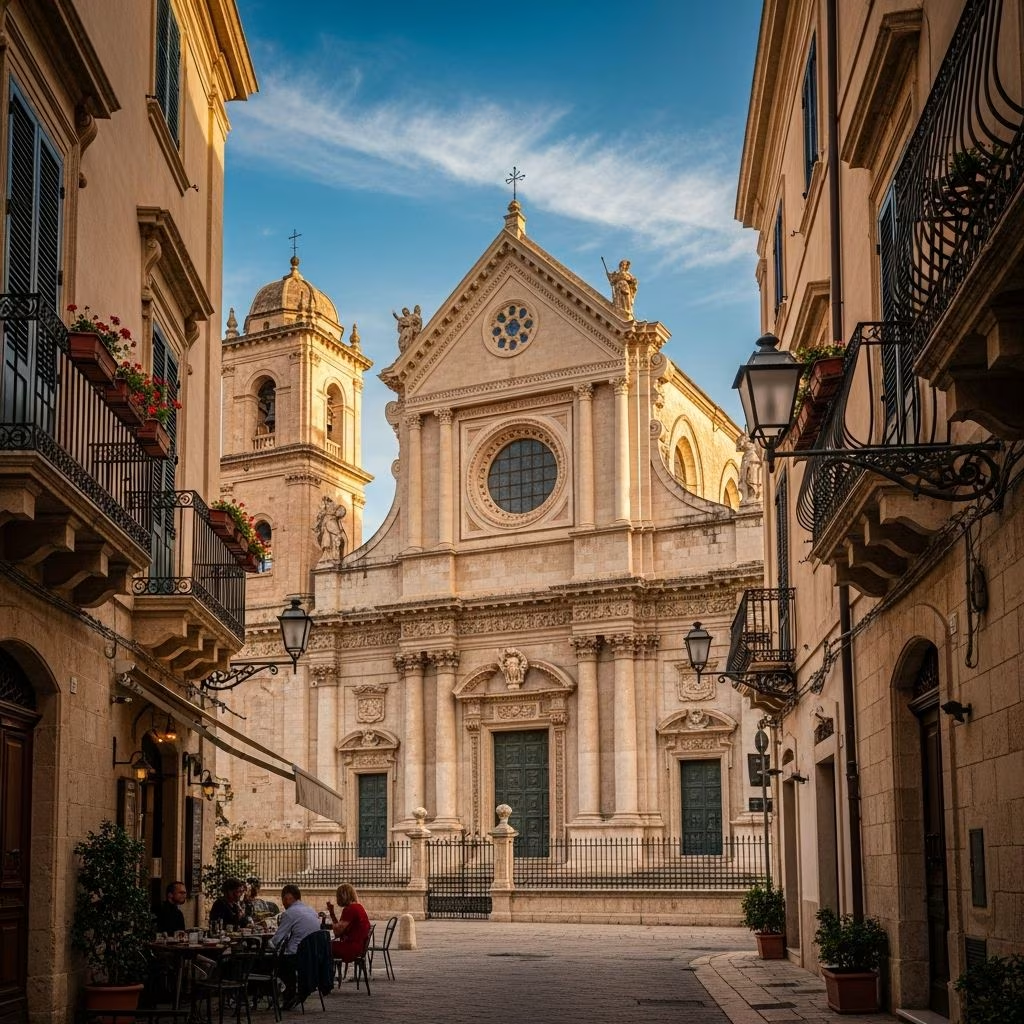
Nestled in the heart of Puglia’s Salento peninsula, Lecce stands as one of Italy’s most captivating destinations, renowned for its extraordinary Baroque architecture and warm Mediterranean atmosphere. Often compared to Florence due to its historical significance, this ancient city offers visitors an immersive experience through centuries of cultural evolution, from Roman settlement to Renaissance grandeur.
Understanding Lecce’s Unique Character
The distinctive character of Lecce emerges from its use of locally-quarried limestone, colloquially known as Lecce Stone. This golden-hued material possesses remarkable workability, allowing artisans to craft intricate and elaborate designs that characterize the city’s architectural landscape. When sunlight bathes the facades during sunrise and sunset, the stone emanates a warm, honey-like glow that transforms the entire cityscape into a living masterpiece.
The historical nucleus of Lecce, known as the Centro Storico, represents layers of civilization built upon Roman foundations. Within this preserved medieval core, visitors encounter a harmonious blend of architectural styles spanning multiple centuries, though Baroque aesthetics distinctly dominate the visual experience.
Iconic Squares and Public Spaces
Piazza del Duomo: Baroque Perfection
The Piazza del Duomo encapsulates Baroque urban planning at its finest. This grand rectangular plaza, enclosed on three sides with a single entrance from Via Vittorio Emanuele II, serves as the spiritual and architectural heart of Lecce. The square creates an intimate yet monumental atmosphere, with its harmonious proportions drawing visitors into a contemplative state.
Within this plaza stands the Cathedral of Our Lady of Assumption, popularly known as the Duomo. Originally founded during the Norman period with foundations dating to 1144, the current structure was reconstructed in the 17th century under the vision of architect Giuseppe Zimbalo. Zimbalo’s redesign and addition of the bell tower established the foundational aesthetic principles of Lecce Baroque style, characterized by ornamental richness and dramatic visual impact.
Adjacent to the cathedral, the Bishop’s Palace and Seminary Palace complement the architectural composition, while the free-standing bell tower adds vertical emphasis to the plaza’s spatial arrangement.
Piazza Sant’Oronzo: The Living Center
In contrast to the contemplative grandeur of Piazza del Duomo, Piazza Sant’Oronzo pulses with the vibrant energy of contemporary urban life. This bustling marketplace and social hub anchors the historical center with its eclectic mix of commerce, cuisine, and social interaction. Visitors will discover artisanal gelato shops, boutique retailers, cafes, and restaurants operating beneath the plaza’s open sky.
The plaza’s visual identity derives from two prominent features: the Colonna di Sant’Oronzo, a striking monument honoring the city’s patron saint, and the remarkable remains of a Roman amphitheater that pierces through the modern plaza surface.
Ancient Roman Heritage
The Amphitheater: Engineering Marvel from Antiquity
Partially underground yet unmistakably present within Piazza Sant’Oronzo, the Roman Amphitheater represents a remarkable testament to Roman engineering prowess. Constructed during the 2nd century AD, likely during Hadrian’s reign, this monumental structure originally accommodated 14,000 to 20,000 spectators for gladiatorial contests and theatrical performances. The amphitheater remained completely concealed until 1901, when excavation work undertaken for bank construction unexpectedly revealed this archaeological treasure.
The structure’s preservation reflects the complex urban development that occurred atop Roman foundations. Modern buildings constructed over the amphitheater’s footprint have limited excavation possibilities, yet substantial portions remain visible from the surrounding plaza. Public access to the arena itself occurs only during special cultural events, though the exposed stonework and architectural elements provide compelling visual evidence of Roman craftsmanship and grandeur.
Teatro Romano: The Hidden Theater
Beyond the celebrated amphitheater, Lecce harbors a second Roman theatrical venue known as the Teatro Romano (Roman Theater). Discovered in 1929 among the maze of narrow side streets, this 1st-century AD structure originally seated approximately 5,000 spectators for dramatic productions. The theater’s obscure location, hidden within residential neighborhoods and surrounded by later medieval construction, has earned it the affectionate reputation of being a feline haven, where local cats congregate among the ancient stones.
Visitors can glimpse portions of the theater from Via Arte della Cartapesta, and an adjacent museum provides additional context regarding this theatrical heritage.
Sacred Architecture and Artistic Treasures
Basilica di Santa Croce: The Baroque Masterpiece
The Basilica di Santa Croce represents the pinnacle of Lecce’s Baroque architectural achievement. Upon turning onto Via Umberto I, visitors encounter the basilica’s magnificent facade, an explosion of sculptural ornamentation that exemplifies the exuberant Baroque aesthetic. The church’s design overwhelms with its decorative intensity, featuring columns, pediments, cornices, and sculptural elements that dance across the stone surface.
The basilica demands visitation during daylight hours when architectural details emerge with clarity and the golden stone glows with warmth. Evening hours transform the surrounding streets into vibrant social spaces, with bars and restaurants creating a lively atmosphere that contrasts beautifully with the church’s solemn grandeur.
Cathedral and Secondary Churches
Beyond the Basilica di Santa Croce, Lecce’s religious heritage extends through numerous parish churches. The Church of Santa Chiara deserves particular attention for its remarkable ceiling, constructed entirely from papier-mâché that masterfully imitates carved wood—a testament to the artisanal sophistication of local craftspeople. San Matteo, San Giovanni Battista, and additional chapels throughout the Centro Storico demonstrate the city’s deep spiritual traditions and architectural ambitions.
MUST Museum: Contemporary Context
Located within the restored 15th-century Monastery of Santa Chiara, the MUST civic museum provides historical narrative spanning from the Messapian age through the 20th century, complemented by rotating exhibitions of modern and contemporary art. The museum’s architecture and strategic window placement offering views of the Teatro Romano contribute to the overall visitor experience, blending historical documentation with artistic appreciation.
Historical Gates and Urban Passages
Three substantial city gates survive from Lecce’s fortified past, each bearing distinctive architectural features and historical significance. Porta Rudiae, the oldest of the trio, displays busts of the city’s legendary founders—Malennio, Dauno, Euippa, and Idomeneo—though the current structure underwent reconstruction in 1703. Porta Napoli presents impressive architectural proportions that rival Rudiae’s visual impact. The lesser-known Porta San Biagio, dedicated to Saint Blaise, offers quieter contemplation away from tourist concentrations, with the saint’s statue crowning the archway.
Wandering through these gates and exploring the narrow cobblestone streets radiating from them provides intimate encounters with vernacular architecture and daily life beyond the major piazzas.
Artisanal Traditions and Unique Crafts
Papier-Mâché Heritage
Lecce’s tradition of papier-mâché craftsmanship extends back to the 17th century, representing a distinctive cultural practice within southern Italian artisanal heritage. The Pugliese people developed mastery in fashioning decorative objects through this ancient technique, and contemporary artisans continue producing intricate souvenirs that reference historical precedents.
The ceiling of Santa Chiara Church stands as the most celebrated example of papier-mâché artistry, where the material successfully mimics wooden structural elements and ornamental carvings. Throughout the city, workshops and galleries display contemporary interpretations of this traditional craft, offering visitors opportunities to acquire authentic handmade pieces.
Culinary Experiences
Gastronomic exploration forms an essential component of the Lecce experience. Traditional cuisine emphasizes regional ingredients and preparation methods passed through generations. The locally-beloved caffè leccese—iced coffee prepared with almond milk—provides refreshment while connecting visitors to local custom and flavor traditions.
Cooking classes and culinary tours enable visitors to engage actively with Puglia’s food culture, learning preparation techniques for traditional dishes in hands-on settings.
Navigating the Historical Center
Walking and Exploration Strategy
While mapping major attractions provides logical structure, the Centro Storico rewards wandering and serendipitous discovery. Rather than hastily navigating from one mapped location to another, allowing time for purposeful strolling through narrow streets, Villa Comunale’s landscaped gardens, and residential neighborhoods enriches the experience immeasurably.
Professional guides familiar with historical context and local stories add substantial value to urban exploration, providing interpretation that transforms architecture into narrative. Quality guides typically incorporate visits to Piazza Sant’Oronzo, the Roman amphitheater, the Duomo, the fully-restored Basilica di Santa Croce, and at least one historical city gate within their itineraries.
Museum and Underground Attractions
The Museo Faggiano presents an unconventional archaeological experience. Housed within a private residence on Via Ascanio Grandi, this family-operated museum occupies the building’s underground chambers, where routine renovation work unexpectedly unveiled accumulated history spanning 2,500 years. The subterranean galleries contain artifacts from the Messapian civilization, including tombs and burial objects, alongside etchings and marks left by Knights Templar centuries later. The eclectic and engaging presentation style reflects the museum’s intimate, personalized curatorial approach.
Practical Visitor Information
Visiting Timeline
A comprehensive Lecce experience requires minimum two full days, though three days enables deeper exploration of secondary sites and unhurried cultural engagement. Day visits, while possible, sacrifice the opportunity to experience the city’s evolved evening atmosphere when bars and restaurants enliven the piazzas.
Seasonal Considerations
Mediterranean climate patterns influence visitor comfort and site accessibility. Summer months bring intense heat that can challenge outdoor exploration during midday hours. Spring and autumn weather moderates temperature extremes while maintaining abundant sunshine. Winter presents mild conditions suitable for walking tours, though some establishments may operate reduced hours.
Complementary Activities in Surrounding Regions
Lecce serves as an excellent base for exploring the broader Salento peninsula. Nearby coastal villages, agrarian landscapes, and additional historical sites extend the travel experience beyond the city proper. Day excursions to surrounding communities allow visitors to experience Puglia’s diverse attractions while maintaining convenient access to Lecce’s accommodations and dining establishments.
References
- Adventurous Kate: 16 Fab Things To Do in Lecce, Italy — Adventurous Kate. Accessed April 2026. https://www.adventurouskate.com/lecce-italy/
- Chasing Coconuts: 12 Incredible Things To Do In Lecce – Puglia, South Italy — Chasing Coconuts. Accessed April 2026. https://chasingcoconuts.co/12-incredible-things-to-do-in-lecce-puglia-south-italy/
- Along Dusty Roads: 13 Wonderful Things to Do in Lecce | Puglia’s Baroque Masterpiece — Along Dusty Roads. Accessed April 2026. https://www.alongdustyroads.com/posts/things-to-do-in-lecce-italy
- My Corner of Italy: Top 10 things to do in Lecce — My Corner of Italy. Accessed April 2026. https://www.mycornerofitaly.com/top-10-things-to-do-in-lecce/

