

 Travel Essentials
 Travel Essentials

Explore Lanai's hidden gems, from volcanic landscapes to cultural heritage sites. Learn how to navigate this 141-square-mile island and experience authentic Hawaiian aloha.
 Travel Essentials
Nestled in the Hawaiian archipelago, Lanai stands as one of the most remarkable and underdeveloped islands in the state, offering travelers an authentic escape from the commercialization that characterizes many popular Hawaiian destinations. Spanning just 141 square miles with a population of approximately 3,100 residents, this intimate destination has preserved its natural beauty and cultural heritage despite centuries of human settlement and agricultural development. The island measures roughly 18 miles in length and 13 miles in width, making it small enough to explore comprehensively yet expansive enough to offer diverse landscapes and experiences.
What sets Lanai apart from its sister islands is its deliberate commitment to maintaining a slower pace of life. With only three resort properties on the entire island and no traffic lights, shopping malls, or fast-food chains, Lanai remains a destination for travelers seeking genuine connection with nature and Hawaiian culture rather than typical resort tourism. The island’s infrastructure reflects this philosophy, with paved roads limited to approximately 30 miles, while roughly 400 miles of unpaved roads crisscross the landscape, requiring specialized vehicles to access many of the island’s most spectacular locations.
Reaching Lanai requires planning and intentionality, which inherently helps preserve the island’s tranquility. The primary transportation method is the Expeditions Maui-Lanai Ferry, which departs from Ma’alaea Harbor on Maui’s western coast. One-way ferry tickets cost approximately $66 plus taxes, though prices and schedules may fluctuate seasonally. The ferry journey provides an excellent introduction to the island while offering scenic views of the Maui Channel and neighboring islands.
Upon arrival at Manele Small Boat Harbor, visitors encounter well-maintained paved roads connecting to Lanai City, the island’s only municipality and cultural center. The journey from the harbor to town is brief and scenic, allowing travelers to transition from ferry travel to land exploration efficiently. For those seeking day trips from Maui, this accessibility makes Lanai an ideal excursion without requiring overnight commitment.
Alternative transportation options include snorkeling tours departing from Maui that incorporate Lanai’s pristine reefs and marine wildlife. Operators such as Ultimate Whale Watch and Sail Maui offer comprehensive packages combining ferry transport with guided water activities, providing flexibility for travelers with varying interests and schedules.
Once on the island, ground transportation strategy becomes crucial for accessing Lanai’s attractions. The vast majority of the island’s notable sites—pristine beaches, hiking trailheads, archaeological sites, and scenic overlooks—require four-wheel-drive vehicle access due to rough, unpaved roads in varying states of repair. Recognizing this transportation necessity, multiple Jeep rental agencies operate on the island, including services such as Cheap Jeeps, which provide affordable access to essential vehicles.
The requirement for high-clearance vehicles is not merely a suggestion but a practical necessity. Attempting to navigate Lanai’s interior and southern regions with standard passenger vehicles risks mechanical damage and leaves travelers stranded. Many visitors prioritize securing Jeep rentals upon arrival in Lanai City, transforming their island exploration into adventurous off-road expeditions.
Lanai City represents the island’s heart and primary gathering point for residents and visitors alike. This historic settlement maintains a distinctive plantation-era character, with architecture reflecting its origins as a company town built to support the island’s pineapple industry, which once ranked among the world’s largest agricultural operations. Visitors wandering through Lanai City’s streets encounter evidence of this heritage through preserved building styles, the iconic Dole Park, and established community institutions.
The Lanai Cultural Heritage Center, positioned prominently at the top of Dole Park, serves as the essential first destination for understanding the island’s complex history. The facility features comprehensive exhibits documenting the island’s Hawaiian heritage, its transformation during the plantation era, and contemporary community life. Interactive displays and regularly scheduled events provide deeper context for what visitors encounter throughout their exploration. This cultural foundation enriches subsequent experiences across the island, transforming scenic visits into historically informed journeys.
Beyond the heritage center, Lanai City invites leisurely exploration. Historic churches, the old courthouse, and jail buildings provide architectural interest while reflecting the island’s administrative past. Walking through residential neighborhoods reveals plantation-style homes that have been carefully maintained, creating a living museum of mid-20th-century Hawaiian community development. Local restaurants and quaint shops cater to visitor needs while maintaining authentic character.
The Garden of the Gods represents one of Lanai’s most photographed and geologically significant locations. This natural formation features dramatically colored rock formations and russet-toned soil that create an alien landscape seemingly transported from another planet. The site’s appearance transforms dramatically throughout the day, with sunset lighting producing particularly striking reds and oranges that justify the considerable effort required to reach this remote location.
Accessing the Garden of the Gods requires four-wheel-drive vehicles and typically involves guided tours, as the unpaved roads demand experienced navigation and specialized equipment. Tour operators explain the geological formation of this extinct volcanic area while sharing the mythology and cultural significance attributed to the landscape by Native Hawaiians. Photography enthusiasts frequently time visits to coincide with golden hour, when atmospheric conditions enhance the already dramatic natural colors.
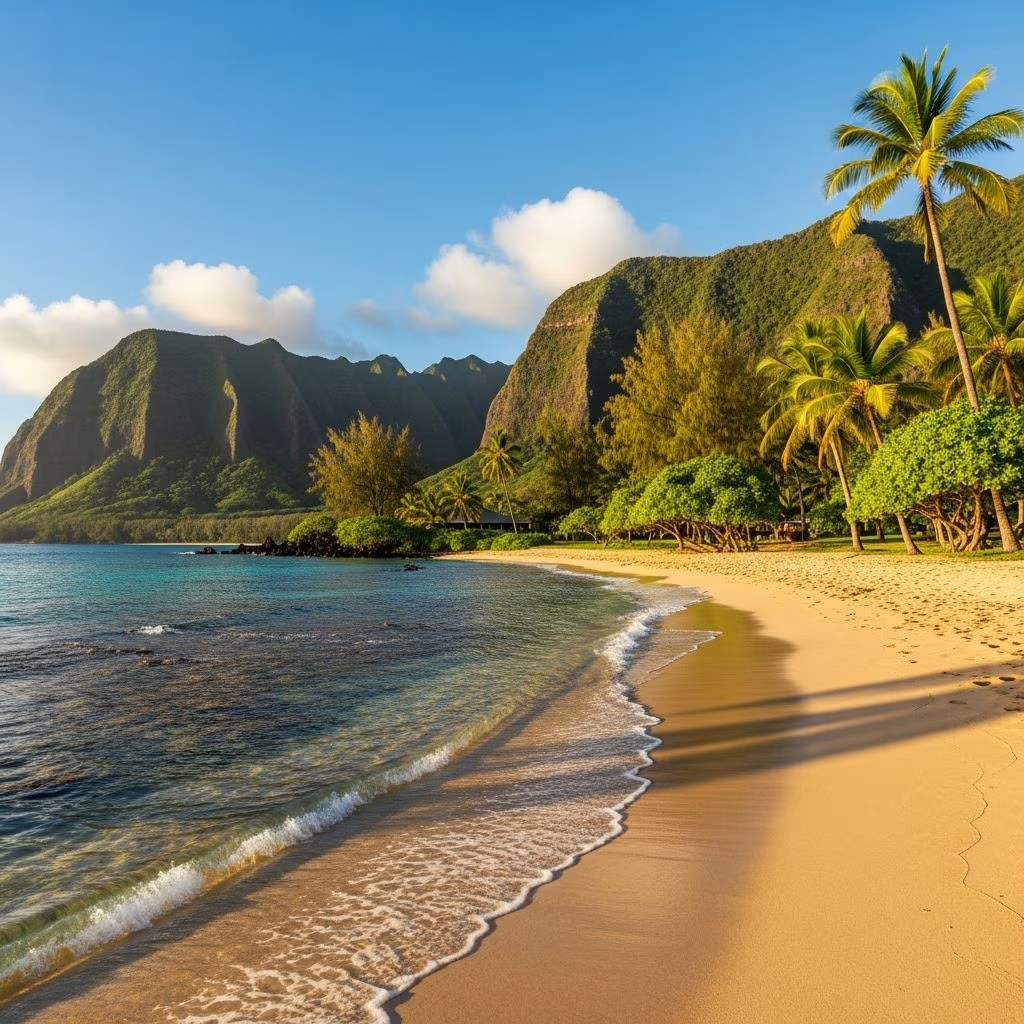
Lanai’s coastline extends approximately 30 miles and features diverse beach environments ranging from pristine sandy shores to rocky coastal formations. Shipwreck Beach, located more than 30 minutes northeast of Lanai City via scenic but challenging roads, exemplifies the island’s rugged coastal character. The 8-mile stretch of sand and rocky outcroppings includes remnants of historical shipwrecks, creating a tangible connection to maritime history.
Hulopoe Beach, positioned on the northwestern coast near the Four Seasons Lanai Resort, offers more accessible coastal recreation. A 4.4-mile out-and-back trail follows the rocky coastline, presenting moderate difficulty over approximately two hours of walking time. Hikers should wear closed-toe shoes or hiking boots due to loose boulders scattered along the route. This trail combines coastal views with reasonable accessibility for visitors with moderate fitness levels.
For those preferring water-based exploration, guided catamaran sailboats and power rafts tour the island’s coastline, incorporating snorkeling at pristine reef sites where opportunities to observe spinner dolphins and diverse marine life present themselves regularly.
The Munro Trail stands as Lanai’s premier hiking destination, offering a 12.6-mile route that has transitioned to hiking-only access following vehicle restrictions implemented over five years ago. This trail represents one of the few locations where hikers can simultaneously view all six major Hawaiian Islands from a single vantage point. The summit at Lanaihale reaches 3,366 feet and provides comprehensive 360-degree perspectives of the surrounding archipelago and Pacific Ocean.
The full Munro Trail route traverses eucalyptus and Norfolk pine forests, ocean lookouts, and deep canyons, creating visual diversity throughout the journey. Adequate water supply and snacks are essential, as the trail includes no facilities. The challenging terrain and elevation gain suit experienced hikers or those with strong cardiovascular fitness. Alternatively, mountain bikers can navigate portions of the trail, adding another dimension to Lanai’s outdoor recreation opportunities.
The Koloiki Ridge Trail provides another hiking option for visitors seeking elevation gain and panoramic views without committing to the full Munro Trail distance. These varied hiking experiences accommodate different fitness levels and time constraints while providing intimate engagement with Lanai’s natural environment.
Kaunolu represents an exceptional archaeological destination, preserving the largest surviving area of Hawaiian prehistoric ruins accessible to visitors. This 19th-century fishing village once served as a retreat for Kamehameha the Great, who valued the area’s exceptional fishing opportunities. The site includes the Halulu heiau (temple), the sacred Kaneapua Rock, and numerous other structures with profound cultural significance.
Interpretive trails guide visitors through the archaeological landscape while explaining the historical context and cultural meaning of preserved structures. The site’s dramatic cliff formations provide additional visual interest while contextualizing why ancient Hawaiians selected this location for settlement. Jeep tours to Kaunolu combine historical education with adventure travel, creating multidimensional travel experiences.
The Lanai Adventure Park offers contemporary recreational options complementing traditional historical and natural attractions. Located at the base of Kaiholena Valley beneath the Munro Trail, this facility provides zip-lining, challenge courses, guided bike rides, and additional outdoor activities suitable for various age groups and ability levels. These options allow families and adventure-seeking travelers to diversify their island experiences beyond hiking and cultural site visitation.
The Lanai Cat Sanctuary represents another distinctive attraction, providing sanctuary and viewing opportunities for rescued and feral cats in naturalistic settings. This unique facility appeals to animal lovers and offers educational content regarding feline behavior and island ecosystem dynamics.
Accommodations on Lanai are intentionally limited, with only three resort properties serving the island: the Sensei Lanai Resort, Four Seasons Resort Lanai, and Hotel Lanai. This constraint reflects the island’s preservation philosophy and explains why advance reservations are essential for overnight visitors. The limited lodging options contribute to the island’s exclusivity while ensuring that infrastructure development remains controlled and sustainable.
Dining options similarly remain modest compared to larger Hawaiian islands, with establishments concentrated in Lanai City and resort properties. The Blue Ginger Café provides casual local fare, while resort restaurants offer more comprehensive dining experiences. This limited commercial development encourages visitors to experience authentic local food culture rather than resort standardization.
Optimal Lanai visits require strategic planning given the island’s infrastructure limitations. Day trips from Maui represent accessible options for travelers with time constraints, while overnight stays enable more comprehensive exploration. The state of Hawaii provides official guidance through the Lanai Guide App, supporting responsible island exploration while respecting local culture and environmental preservation.
Booking ferry transportation in advance ensures desired departure times, while Jeep rental arrangements should be confirmed before arrival. Weather conditions affect road accessibility, particularly for unpaved routes, suggesting flexibility in itinerary planning. The island’s elevation variations create diverse microclimates, so layered clothing accommodates temperature fluctuations throughout exploration days.
