

 Travel Essentials
 Travel Essentials

Uncover Tianzifang's transformation from old residential alleys to a creative hotspot in Shanghai's French Concession, packed with galleries, shops, cafes, and cultural gems.
 Travel Essentials
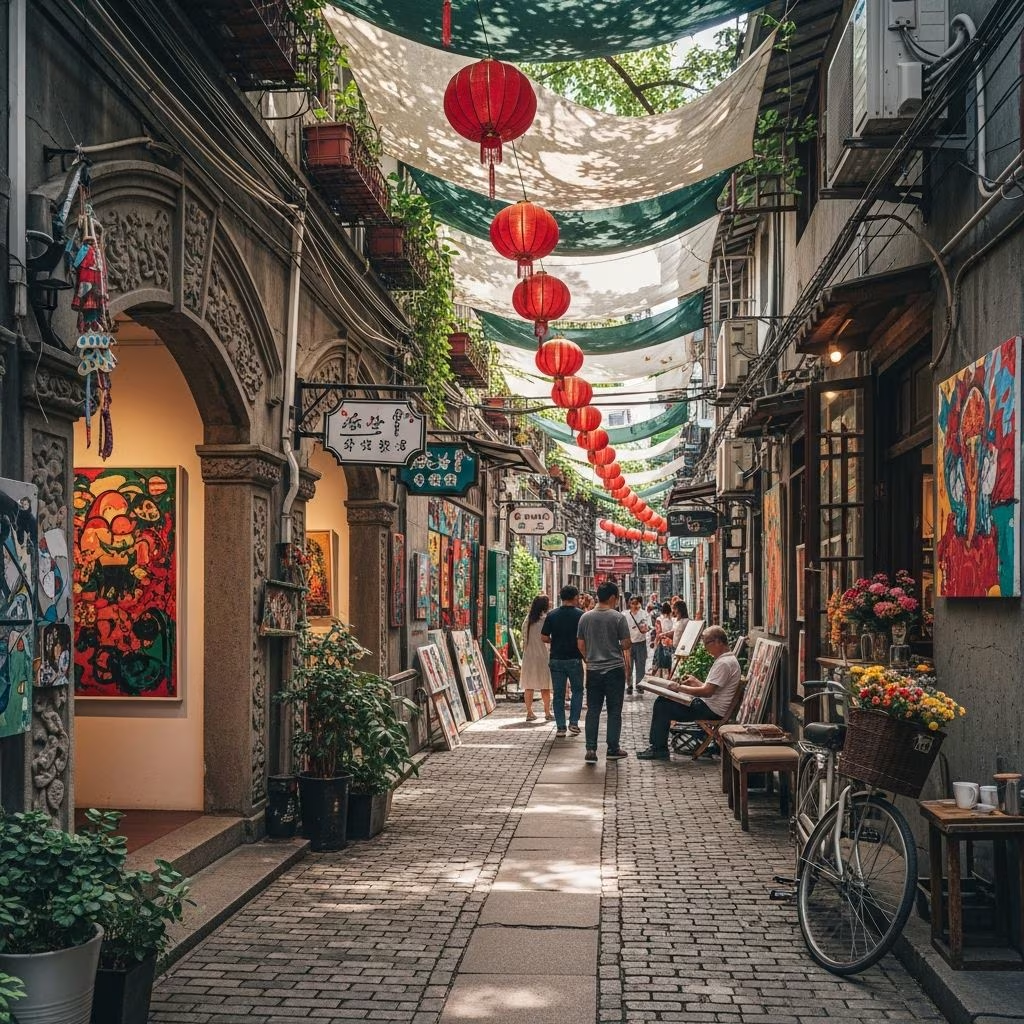
Tianzifang stands as a captivating blend of Shanghai’s past and present, tucked away in the heart of the Former French Concession. This labyrinth of narrow lanes, once humble residential areas and factories from the 1930s, has evolved into a thriving creative enclave filled with art studios, eclectic shops, and inviting eateries. Visitors are drawn to its authentic shikumen architecture—traditional stone-gate houses with arched doorways and brick facades—that now house contemporary galleries and boutiques.
Originally built as a residential longtang (alleyway community) during the 1930s, Tianzifang served local Shanghai residents, immigrants, and expatriates. By the late 1990s, it was a fading industrial zone with street markets and workshops. The turning point came in 1998 when prominent artist Chen Yifei and others began converting disused factories into artist studios, sparking a renaissance. Over the next two decades, this initiative attracted designers, expatriates, and young professionals, transforming the area into Shanghai’s answer to New York’s SoHo.
Today, spanning lanes 210, 248, and 274 on Taikang Road in Huangpu District, Tianzifang covers about 7.2 hectares. It boasts over 29 art and design studios, 58 craft shops and galleries, 65 antique stores, and numerous international cafes and bars. This mix creates a dynamic atmosphere where tangled power lines and laundry-draped balconies coexist with sleek modern installations.
Reaching Tianzifang is straightforward, making it accessible for first-time visitors. The primary entry point is Lane 210, Taikang Road (上海市黄浦区泰康路210弄), Huangpu District.
Open daily, most spots operate from 10 AM to 10 PM, though hours vary by venue. No entry fee is required, but expect crowds on weekends. Luggage storage is available at the Tianzifang Service Point for convenience.
Tianzifang’s charm lies in its maze-like layout, divided into distinct lanes with unique personalities. Venture beyond the main drag to discover quieter courtyards and hidden gems.
| Lane | Highlights | Best For | Time Needed |
|---|---|---|---|
| Lane 210 | Art galleries, Painter’s Building, Shikumen Museum, niche exhibitions | Art lovers, photographers | 1-2 hours |
| Lane 248 | Fashion boutiques, Tianzifang Theater, hidden courtyards | Shoppers, theater fans | 2-3 hours |
| Lane 274 | Antique shops, rooftop cafes, silk stores | Antique hunters, relaxed vibes | 1-2 hours |
Classic Route (2-3 hours): Start at Lane 210 entrance, weave through art studios to the Shikumen Museum, then hit Café Street before exiting. This path captures the historic core.
Extended Route (4-5 hours): Add Lane 248 for fashion finds and theater performances, plus rooftop views in secluded courtyards.
Full-Day Adventure: Combine all lanes, including antiques in 274, for an immersive experience.
Art pulses through Tianzifang’s veins. The Painter’s Building in Lane 210 hosts free exhibitions where local artists paint live. Studios showcase pottery, calligraphy, and contemporary works blending Eastern traditions with global influences. Shikumen houses, with their red-brick walls and wooden accents, provide a stunning backdrop for galleries displaying everything from abstract paintings to intricate sculptures.
Don’t miss the Tianzifang Theater in Lane 248, offering intimate performances of traditional Chinese opera or modern plays. Nearby courtyards reveal pop-up installations and street art, reflecting Shanghai’s evolving cultural scene.
Tianzifang excels as a shopper’s paradise, emphasizing handmade and vintage items over mass-produced goods.
Bargaining is common, but prices reflect quality craftsmanship. For authentic finds, explore side alleys away from tourist-packed main paths.
Food here mirrors the district’s fusion spirit: Shanghainese classics meet global flavors. Street stalls offer childhood snacks like candied hawthorn, while upscale spots serve xiaolongbao (soup dumplings) and hairy crab.
For foodies, pair your meal with people-watching amid laundry lines and neon signs—a true taste of local life.
Despite its fame, Tianzifang retains an unpolished edge. Tangled electrical wires, hanging laundry, and weathered facades contrast with trendy interiors, embodying Shanghai’s hutong-meets-hipster vibe. Efforts to protect shikumen heritage ensure the area avoids over-commercialization like nearby Xintiandi.
Visit mid-week for fewer crowds, and respect residents by keeping noise low in quieter lanes. Photography thrives here, but seek permission in private studios.
Tianzifang is renowned for its shikumen alleyways, art studios, boutique shops, and fusion of old Shanghai culture with modern creativity.
From Pudong Airport, take Metro Line 2 to Line 9 (Dapuqiao Station, Exit 1)—about 1 hour. Taxis take 45-60 minutes.
Yes, with kid-pleasing snacks and open spaces, but narrow paths suit older children best.
Absolutely—bars and lit alleys create a magical evening ambiance until 10 PM or later.
Tianzifang feels more bohemian and authentic, less polished than the upscale, touristy Xintiandi.
In Tianzifang, every twist reveals a story: from colonial-era homes reborn as creative spaces to global flavors simmering in alley kitchens. It’s not just a destination but an experience that distills Shanghai’s essence—resilient, innovative, and irresistibly layered. Whether you’re an art aficionado, shopaholic, or culture seeker, this maze promises discoveries around every corner. Plan your wander and let Tianzifang unfold its secrets.
