


 Food & Culture
Food & Culture
Tibetan Food Guide: Must-Try Dishes, Drinks and Dining Tips
Explore Tibetan cuisine's staples like tsampa, thukpa, momos, and butter tea. Learn dining customs, must-try dishes, and tips for eating like locals in Tibet's rugged highlands.
 Food & Culture
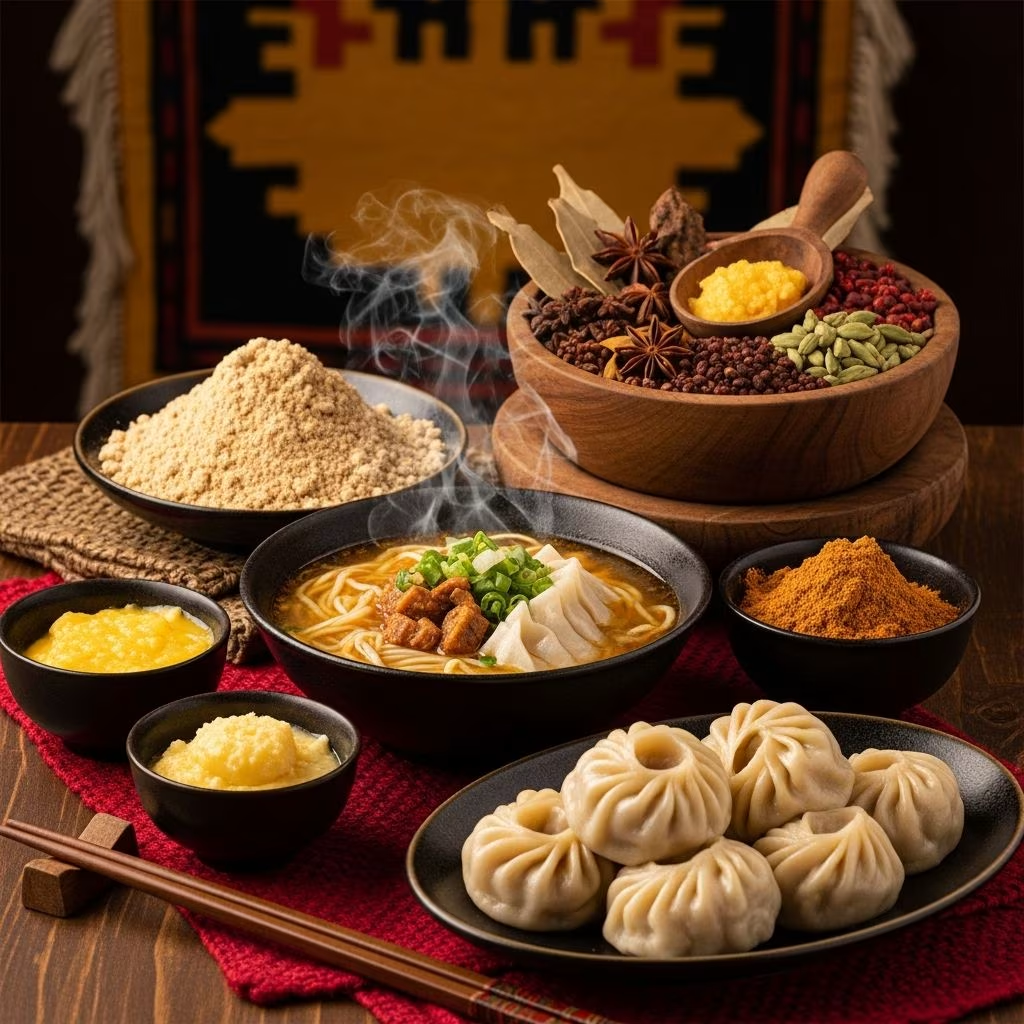
Tibetan cuisine thrives on simplicity and sustenance, perfectly suited to the harsh, high-altitude environment of the Tibetan Plateau. Staples like roasted barley flour, yak-derived products, and hearty soups provide the calories needed for survival amid thin air and freezing temperatures. This guide dives into essential dishes, beverages, dining practices, and pro tips to help you eat like a local during your Tibetan adventure.
Core Staples of the Tibetan Diet
The foundation of Tibetan meals revolves around a few versatile ingredients that deliver high energy. Highland barley, yaks, and hardy vegetables dominate, reflecting the nomadic herding lifestyle.
- Tsampa: Roasted barley flour is the ultimate everyday food. Mix it with butter tea to form doughy balls—nutty, filling, and packed with carbs, fats, and proteins for all-day fuel.
- Yak Butter: Creamy and rich, this butter from yak milk is stirred into teas, tsampa, and rice dishes, adding essential calories and flavor in calorie-scarce highlands.
- Highland Barley: Beyond tsampa, it’s boiled into porridges or fermented into drinks, forming the backbone of Tibetan nutrition.
These items are ubiquitous in teahouses and homes, embodying resourcefulness in a land where fresh produce is scarce.
Iconic Soups and Noodle Bowls
Warming broths combat the chill, with noodles providing bulk. Thukpa reigns supreme as a daily ritual.
| Dish | Main Ingredients | Best Paired With |
|---|---|---|
| Thukpa | Hand-pulled wheat noodles, bone broth, yak meat shreds, vegetables | Sweet tea or butter tea |
| Boe-Thuk | Thin noodles in boiling meat soup | Local teahouse ambiance |
| Guthuk | Meat, barley, radish, peas, fenugreek, cheese flakes | Losar New Year celebrations |
Thukpa, spotted in 70% of teahouse patrons, combines alkaline-water dough noodles with veggie-laced yak broth for a complete, soul-warming meal. Variations include vegetarian options, making it accessible for all.
Steamed and Fried Dumplings Galore
Dumplings showcase Tibetan creativity with dough wrappers enclosing flavorful fillings. They’re portable, festive, and irresistible.
- Momos: Steamed packets of minced beef, chicken, or veggies, served with tomato-chili sauce. A must-try for their juicy burst.
- Sha Balep: Fried meat or veggie pies with crispy exteriors and savory centers—perfect potluck stars or breakfast bites.
- Potato Beef Buns: Mashed potato dough encasing spiced beef, fried to crunchy perfection. The sweet-savory contrast is addictive.
These appear at gatherings, offering handheld comfort that’s easy to share among friends and family.
Hearty Meat and Hot Pot Specialties
Yak, mutton, and pork feature in robust preparations, slow-cooked for tenderness.
- Yak Hot Pot: Layered yak meat and colorful veggies simmered in spices—a flavor explosion in an ornate presentation.
- Roast Pork: Spice-marinated pork slow-roasted with herbs, paired with barley for festive feasts.
- Curry Beef Rice Bowl: Beef and potatoes in aromatic curry over rice, balancing spice and heartiness.
- Gyurma: Yak or sheep blood sausage with barley filler—tender and adventurous.
These dishes highlight meat’s role in providing protein against the plateau’s demands.
Essential Beverages to Wash It Down
No Tibetan meal is complete without tea, the social glue of daily life.
- Butter Tea (Po Cha): Salty yak butter churned into tea—frothy, warming, and calorie-dense. Essential with tsampa.
- Sweet Tea: Milky black tea sweetened generously, ubiquitous in teahouses alongside noodles.
- Chang: Fermented barley beer, lightly alcoholic and refreshing after hikes.
- Yogurt: Thick, tangy from yak milk, eaten plain or in dishes like chexo rice.
Teahouses buzz with locals slurping these while chatting, inviting travelers to join.
Dining Customs and Local Habits
Eating Tibetan-style means embracing communal, no-fuss vibes. Use your right hand for tsampa balls, slurp noodles loudly (a compliment!), and expect shared plates. Teahouses in Lhasa serve pilgrims and tourists alike—opt for bustling spots for authenticity. Avoid waste; portions are generous for high-energy needs. Vegetarians thrive with veggie thukpa or momos, though meat dominates.
Regional Variations Across the Plateau
Tibetan food adapts to locales: Central Tibet favors tsampa and thukpa; nomad areas emphasize yak dairy; festivals bring guthuk or gyabrag pancakes. In Lhasa, noodles pair with sweet tea; higher up, hot pots rule.
Festival Foods and Seasonal Treats
Losar features guthuk soup with nine symbolic ingredients and koendain pastries of barley beer, tsampa, and sugar. Other sweets like cheser mog (buttery rice with raisins) mark joys amid austerity.
Health Benefits of Tibetan Staples
High-calorie tsampa and butter tea sustain against hypoxia; barley aids digestion; yak proteins build strength. Moderation tempers richness for visitors unaccustomed to the fats.
Practical Tips for Travelers
- Start with teahouse thukpa and tsampa to acclimate.
- Request mild spice if sensitive—chilies add punch.
- Hydrate beyond tea; altitude demands it.
- Try street vendors for fresh momos, but check hygiene.
- Pair meals with highland walks for balance.
Frequently Asked Questions
What is the most common Tibetan food?
Tsampa, roasted barley flour mixed into butter tea, is the staple for daily energy.
Is Tibetan food spicy?
Moderately—chilies, ginger, and Sichuan pepper appear, but not overwhelmingly. Sauces like sepen allow customization.
Are there vegetarian options?
Yes, veggie momos, thukpa, and potato dishes abound alongside meat versions.
How do you eat tsampa?
Dip fingers in butter tea, grab flour, roll into balls, and pop in mouth—messy but fun!
What’s the best drink with Tibetan meals?
Butter tea for saltiness or sweet tea for refreshment—both teahouse classics.
Can I find Tibetan food outside Tibet?
Exile communities in India and Nepal offer authentic versions, though yak substitutes vary.
(Word count: 1687)
References
- Tibetan Local Foods — Tibet Highland Tours. Accessed 2026. https://tibethighlandtours.com/tibetan-local-foods/
- Tibetan Foods and Cuisine – A Complete Guide — Break Free Adventures. Accessed 2026. https://www.breakfreeadventures.com/tibet/tibetan-foods-and-cuisine/
- List of Tibetan dishes — Wikipedia. Accessed 2026. https://en.wikipedia.org/wiki/List_of_Tibetan_dishes
- Tibetan Food: A Visual Guide — YoWangdu Experience Tibet. Accessed 2026. https://www.yowangdu.com/tibetan-food/tibetan-food-introduction.html
- Tibet Food and Dining: Best Dishes, Food Options, and Dining — Tibet Travel Org. Accessed 2026. https://www.tibettravel.org/tibet-travel-advice/food-and-dinning.html
- Tibetan Food: Must-Try Dishes in Tibet — iTibet Travel. Accessed 2026. https://itibettravel.com/tibetan-food/
On This Page
Core Staples of the Tibetan Diet Iconic Soups and Noodle Bowls Steamed and Fried Dumplings Galore Hearty Meat and Hot Pot Specialties Essential Beverages to Wash It Down Dining Customs and Local Habits Regional Variations Across the Plateau Festival Foods and Seasonal Treats Health Benefits of Tibetan Staples Practical Tips for Travelers Frequently Asked Questions← Previous
7-Day Lebanon Itinerary: Beirut, Baalbek, Byblos & More
Next →
24 Hours in Abu Dhabi: The Best Stopover Itinerary
Related Reading
More in Food & Culture
Food & Culture Food & Culture
 Food & Culture
Best Places to Eat in Rome: Neighborhood Dining Guide
 Food & Culture
 Food & Culture