

 Travel Essentials
 Travel Essentials

Comprehensive guide to understanding tipping expectations, appropriate amounts, and etiquette across diverse African regions and service industries.
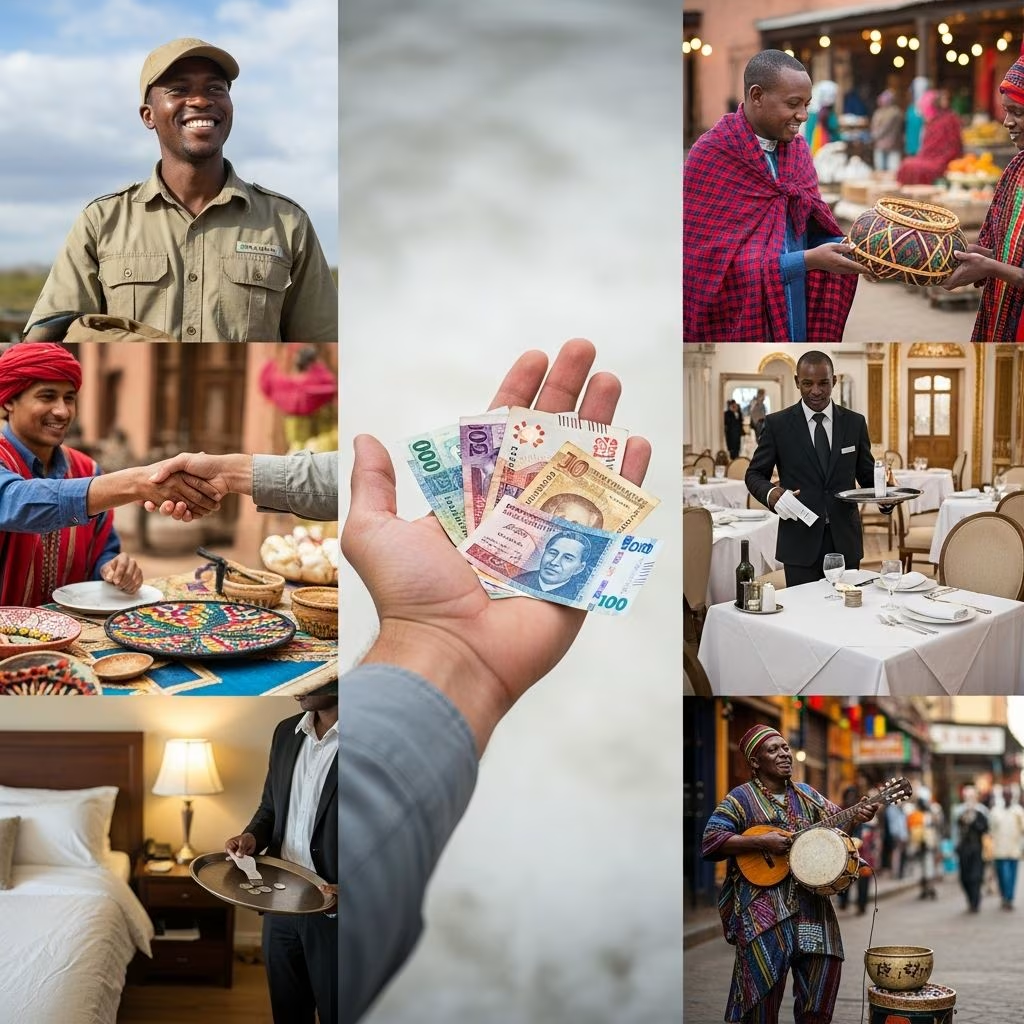 Travel Essentials
Understanding how to appropriately recognize service workers across Africa involves more than simply knowing percentages—it requires cultural sensitivity and awareness of local economic conditions. Gratuities in Africa serve as an important income supplement for service professionals who often work for modest base salaries. This comprehensive resource explores the nuances of showing appreciation across various African nations and service contexts, helping travelers navigate this aspect of international etiquette with confidence and respect.
Gratuities throughout the African continent differ significantly from Western tipping traditions. While not legally required, tips are deeply embedded in the hospitality and tourism sectors across most African nations. This practice reflects both cultural values of appreciation and economic realities where service workers depend on supplementary income to support their families. The act of tipping demonstrates respect for labor and acknowledgment of quality service, making it an important part of meaningful cross-cultural interaction.
Service industry workers across Africa often receive minimal base compensation, making tips a crucial component of their overall earnings. Understanding this dynamic helps travelers appreciate the importance of appropriate gratuities beyond mere social obligation. Regional variations exist based on tourism development, local customs, and economic factors specific to each destination.
The hospitality sector presents some of the most common tipping scenarios for travelers. In established dining venues throughout major African tourism hubs, service charge policies vary considerably. Many upscale restaurants in prominent destinations automatically incorporate a service fee into the final bill, typically ranging from 10 percent of the total cost. When no automatic charge appears on your receipt, travelers should consider leaving a gratuity equivalent to 10 to 15 percent of the pre-tax total, depending on service quality.
Outside major urban centers and resort areas, tipping percentages may be less standardized. Nevertheless, leaving 10 to 15 percent remains a widely recognized baseline across the continent for satisfactory service. Bar staff and servers benefit particularly from gratuities, as their base wages are frequently quite modest. When settling a bar bill without itemized service, rounding up to the nearest convenient amount is an accepted practice in most locations.
The economic pressures on hospitality workers make tips especially meaningful. These individuals frequently work long hours in demanding conditions, and your gratuity directly improves their financial wellbeing. This economic reality underscores why tipping, though technically voluntary, represents an important acknowledgment of their labor.
Hotels across Africa employ numerous staff members who contribute to guest comfort and satisfaction. Each category of hotel worker typically expects modest recognition for their service. Housekeeping personnel who maintain rooms daily appreciate daily tips in local currency, with amounts varying by destination and hotel tier. Similarly, porter assistance with luggage warrants recognition, usually calculated per bag rather than as a percentage.
Concierge staff in major tourism destinations wield considerable influence over guest experiences. These professionals can arrange restaurant reservations, secure tickets for attractions, provide transportation recommendations, and facilitate countless other services. Tipping concierges at the beginning of your stay demonstrates respect and often results in enhanced service throughout your visit. The amount varies by location but typically ranges from modest USD amounts to local currency equivalents.
Many hotels maintain communal tip boxes in lobbies, specifically designated for staff gratuities. These collective collection systems distribute contributions among all hotel personnel—from maintenance workers to kitchen staff—ensuring broader benefit across the entire workforce. This approach acknowledges that multiple employees contribute to overall guest satisfaction.
Safari adventures represent iconic African experiences, and guides play fundamental roles in their success. Professional safari guides possess extensive wildlife knowledge, safety expertise, and interpretive skills that greatly enhance visitor experiences. Tipping safari guides reflects appreciation for their specialized knowledge and dedication to creating memorable wildlife encounters.
Guide compensation typically follows per-person, per-day formulas, with total amounts divided among group members. This structure makes safari participation more affordable for group travelers while ensuring guides receive fair recognition. The per-person calculation accounts for varying group sizes, ensuring equitable compensation regardless of how many visitors share the experience.
Supporting personnel on safari operations also merit recognition. Vehicle drivers navigate challenging terrain while ensuring passenger safety. Trackers locate wildlife and provide additional ecological insights. Camp staff prepare meals, maintain accommodations, and provide hospitality services. Each position contributes meaningfully to the overall safari experience, warranting thoughtful recognition.
Moving through African cities and between destinations frequently involves taxi services, ride-sharing platforms, and private transportation arrangements. Tipping taxi drivers follows familiar principles—rounding up fares or applying percentage-based calculations depending on the location. In destinations with significant tourism infrastructure, drivers typically expect 10 percent gratuities, while in other regions rounding up to the nearest convenient amount is standard practice.
Ride-sharing services through platforms like Uber operate with digital tipping interfaces, though gratuities remain appreciated rather than expected. Traditional public transportation—buses and minibus services—typically does not involve tipping; passengers pay standard fares without additional recognition. This distinction reflects that public transit represents commercial services with established pricing structures, unlike personalized services where tips supplement modest wages.
Long-distance transfer drivers who transport guests to remote safari lodges merit special consideration, particularly for extensive journeys. These professionals navigate challenging roads, often for many hours, requiring skill and attentiveness. A modest tip acknowledging their service is customary and appreciated.
Organized excursions beyond accommodations typically involve guide and driver services that warrant gratuities. City tours, cultural visits, nature hikes, and specialized experiences all benefit from professional guidance. Tipping structures for these activities often follow percentage-based approaches, with approximately 10 percent of the total activity cost being a standard benchmark across many African regions.
In destinations with longer-established tourism industries, such as popular North African destinations and Southern African countries, more defined tipping expectations have emerged. Local guides benefit directly from tips, which supplement their employment income and reflect visitor satisfaction with their services. Tour operators frequently provide guidance on appropriate amounts, and following their suggestions ensures cultural appropriateness.
Cash remains the predominant medium for gratuities throughout most of Africa. Service workers rarely have access to credit card payment systems, and tips must be provided in physical currency. This practical reality necessitates careful planning before traveling to remote areas, particularly for safari destinations where ATM access may be limited or nonexistent for extended periods.
Local currencies are preferred for most tipping scenarios. However, USD, EUR, and GBP are widely accepted in tourism-oriented establishments and by professional guides. When using foreign currency, ensure bills are modern and undamaged—some establishments refuse older notes due to concerns about authenticity. Currency notes must generally be dated after 2009 to be acceptable.
Withdrawing sufficient cash before departure from urban centers is essential for travelers planning safari adventures or remote experiences. Airport currency exchange facilities offer convenient and secure options for initial cash conversion. This advance planning prevents awkward situations where inadequate cash availability prevents appropriate gratuity provision.
Some upscale hotels and lodges may provide electronic tipping options or accept card payments for tips added to bills. However, personal tips to individual staff members—guides, drivers, porters—should always be provided in cash. This direct transfer ensures workers receive immediate benefit rather than potential delays associated with centralized payment processing.
North African destinations including Egypt and Morocco have developed distinct tipping conventions reflecting their long engagement with international tourism. These regions feature more formalized tipping expectations compared to other African areas. Concierge staff in these destinations wield particular influence, making strategic tipping at visit commencement especially beneficial.
East African safari destinations including Kenya and Tanzania have established tourism infrastructure with clearer tipping guidelines than many other regions. Southern African countries like South Africa similarly maintain well-defined gratuity conventions reflecting their developed tourism sectors. These established norms make tipping easier for visitors, as expectations are more transparent and widely communicated.
Less tourism-developed regions may have less standardized tipping practices, though the underlying principle—that modest gratuities benefit workers with limited earnings—remains consistent. Asking accommodation staff or tour operators for guidance ensures culturally appropriate responses to regional variations.
Beyond knowing appropriate amounts, the manner of presenting tips carries cultural significance. Discretion matters, particularly in some regions where ostentatious displays of wealth may create discomfort. Handing tips directly to service providers demonstrates personal recognition, which carries greater meaning than leaving money on tables or in communal boxes.
Using envelopes for tips respects cultural sensibilities in certain contexts and adds formality to the exchange. This approach is particularly relevant in regions where direct handling of money between strangers might feel inappropriate. Asking staff or guides about preferred presentation methods shows respect for local customs.
Tips should be offered in a spirit of genuine appreciation rather than obligation or entitlement. This distinction influences how recipients receive and perceive gratuities. Service workers appreciate recognition that acknowledges their effort and contribution to positive experiences.
Understanding typical gratuity amounts helps travelers budget accurately for African experiences. Safari trips, guided tours, and dining out all involve tipping expectations that should factor into overall trip costs. This advance planning prevents financial surprises and allows confident engagement with appropriate recognition practices.
Gratuity amounts vary based on group size, activity duration, and service quality. Dividing group guide tips among participants reduces individual burden while ensuring guides receive fair compensation. Solo travelers naturally contribute larger individual amounts, reflecting different group economics.
Thoughtful tipping represents one way to support ethical tourism practices across Africa. Choosing reputable tour operators who pay fair wages reduces pressure on gratuities to supplement inadequate compensation. However, generous tips to individual workers demonstrate visitor recognition of their contributions regardless of operator practices.
Understanding local economic conditions and service worker compensation models creates context for gratuity decisions. This awareness transforms tipping from rote obligation to meaningful support for individuals in service industries across the continent.
