

 Travel Essentials
 Travel Essentials

Explore Tohoku's rich heritage of traditional crafts like wooden dolls, iron teapots, embroidery, and cherry bark art. Visit workshops, learn techniques, and find unique souvenirs in this northern gem of Japan.
 Travel Essentials
The Tohoku region in northern Japan stands as a bastion of cultural preservation, where generations of artisans continue to breathe life into age-old crafting traditions. Stretching across six prefectures—Aomori, Iwate, Miyagi, Akita, Yamagata, and Fukushima—this rural expanse offers travelers an authentic glimpse into Japan’s artisanal soul. Far from the urban hustle of Tokyo, Tohoku’s workshops and studios invite visitors to witness the meticulous processes behind iconic items like limbless wooden dolls, durable ironware, and embroidered textiles. These crafts, born from necessity and refined over centuries, reflect the region’s harsh winters, abundant natural resources, and deep spiritual roots.
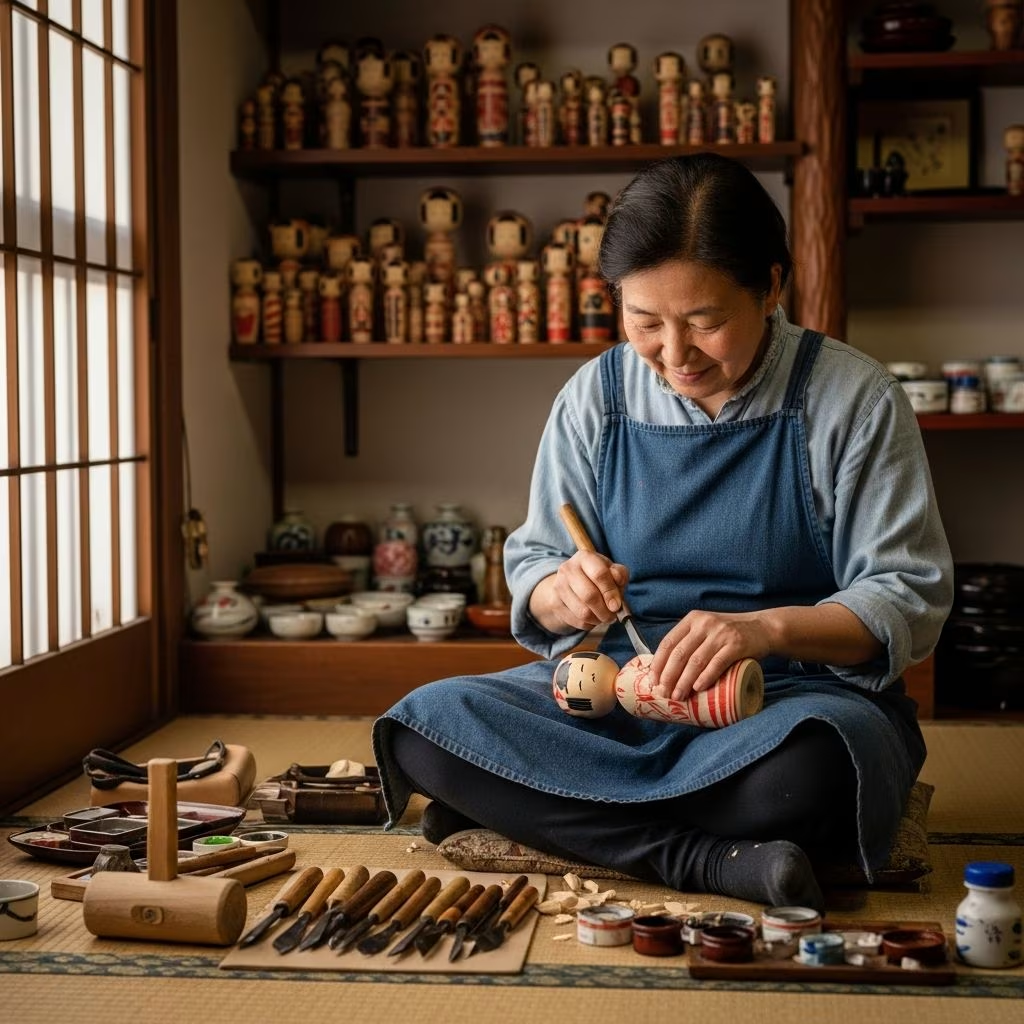
At the forefront of Tohoku’s craft scene are **kokeshi dolls**, simple yet evocative wooden figures without arms or legs, adorned with floral motifs like plum blossoms and chrysanthemums. Originating in the Edo period (1603–1868), these dolls were first carved in hot-spring villages to entertain children and serve as talismans for health and family bonds. Today, prefectures like Miyagi and Fukushima remain hotspots for their production.
In Naruko Onsen, Miyagi Prefecture, visitors can tour multiple family-run studios where woodturners shape the dolls’ rounded bodies in mere minutes using lathes powered by foot pedals. The process begins with locally sourced hardwood, softened by steam, then skillfully hollowed and painted with non-toxic pigments. Nearby, Tsuchiyu Onsen in Fukushima showcases variants with regional patterns, emphasizing the dolls’ role in local festivals and as cherished souvenirs.
Iwate Prefecture excels in **nanbu tekki**, cast-iron teapots renowned worldwide for their heat retention and longevity. Crafted since the 17th century, these tetsubin kettles feature intricate designs embossed on their surfaces, from dragons to abstract waves. The process involves melting iron in traditional clay furnaces, pouring it into sand molds, and finishing with urushi lacquer for rust resistance.
Iwachu, a leading workshop near Morioka, opens sections of its facility to the public. Here, observers watch as molten iron glows red-hot before being channeled into molds. Artisans then burn the interiors over charcoal, creating a seasoning layer that enhances flavor in teas and improves with age. Accessible by a short train ride from Tokyo (about 2.5 hours to Morioka Station), Iwachu combines demonstration with sales of heirloom-quality pieces.
| Craft | Prefecture | Signature Feature | Visitor Access |
|---|---|---|---|
| Kokeshi Dolls | Miyagi/Fukushima | Floral wood carvings | Drop-in studios |
| Nanbu Tekki | Iwate | Lacquered iron teapots | Guided tours |
| Cherry Bark Art | Akita | Waterproof veneers | Museums & workshops |
**Kabazaiku**, or cherry bark craft, thrives in Akita’s Kakunodate, a preserved samurai town. Artisans strip bark from wild cherry trees in summer, when it’s pliable, then flatten and stitch it into baskets, trays, and boxes. The waterproof material, treated with natural dyes, yields a warm, mottled aesthetic prized for tea ceremonies.
The Kabazaiku Denshokan center displays centuries-old techniques alongside live demonstrations. Visitors learn how bark is steamed, pressed, and lacquered, creating items that blend utility with subtle beauty. This craft, dating back 300 years, was originally developed by samurai families to utilize forest resources during economic hardship.
Fukushima’s Hikoji workshop in Miharu crafts delightful papier-mâché figures, including zodiac animals, daruma dolls symbolizing perseverance, and maneki-neko beckoning cats. Housed in a 400-year-old wooden structure, the atelier produces these playful items using layered washi paper molded over wooden forms, then hand-painted with vibrant enamels.
In Yamagata’s Yonezawa, **saojiru** hawk talismans—fierce papier-mâché birds—ward off evil and ensure good fortune. Crafted with feathers and bold eyes, they perch in homes and shrines. For those in Sendai, the Tohoku Standard Market curates these alongside other regional gems, opposite the station for easy access.
Aomori’s **kogin-zashi** embroidery tells tales of resilience. Developed by farmers mending hemp garments for winter insulation, this sashiko-style stitching features geometric ‘modoko’ patterns sewn with thick cotton thread. The Kogin Institute in Hirosaki doubles as a museum and production site, offering goods like bags and coasters.
Visitors can observe needlework that transforms plain fabric into durable, artistic heirlooms. This craft, over 300 years old, symbolizes Tohoku’s ‘snow country’ ethos, where layered textiles meant survival against blizzards.
Diverse crafts pepper Tohoku’s landscape:
These items highlight Tohoku’s resourcefulness, turning humble materials into global icons.
Tohoku’s ateliers welcome drop-ins, but confirm hours via hotel staff or phone, as many operate seasonally. Trains from Tokyo reach key spots efficiently: Morioka (2.5 hours), Sendai (1.5 hours). Buses connect rural sites, like 25 minutes from Morioka Station to Handi-works Square—a hub with 14 studios for watching, trying crafts like dyeing and pottery, plus a magaraya farmhouse replica and vast shop.
Travel Essentials:
Family-friendly centers like Handi-works Square offer workshops in textiles, bamboo, and more. In Shiroishi, try kokeshi carving; in Aizu, candle dipping. These activities foster deeper appreciation, turning tourists into temporary apprentices.
Spring (April–May) and fall (September–November) offer mild weather and scenic beauty, with fewer crowds than summer festivals.
Limited; use translation apps or join guided tours from Sendai or Morioka for explanations.
High—look for regional certification marks to ensure handmade quality over mass-produced replicas.
Yes, many sites like Hikoji and Handi-works Square cater to children with safe, engaging activities.
Sustainable; artisans use renewable local materials like cherry bark and recycled iron scraps.
In an era of mass production, Tohoku’s crafts endure through dedicated guilds and government support, like METI’s traditional craft initiatives. Visitors not only collect treasures but contribute to cultural continuity. Plan a ‘craft hop’ to connect with these living traditions, just a shinkansen ride from Tokyo.
