

 Travel Essentials
 Travel Essentials

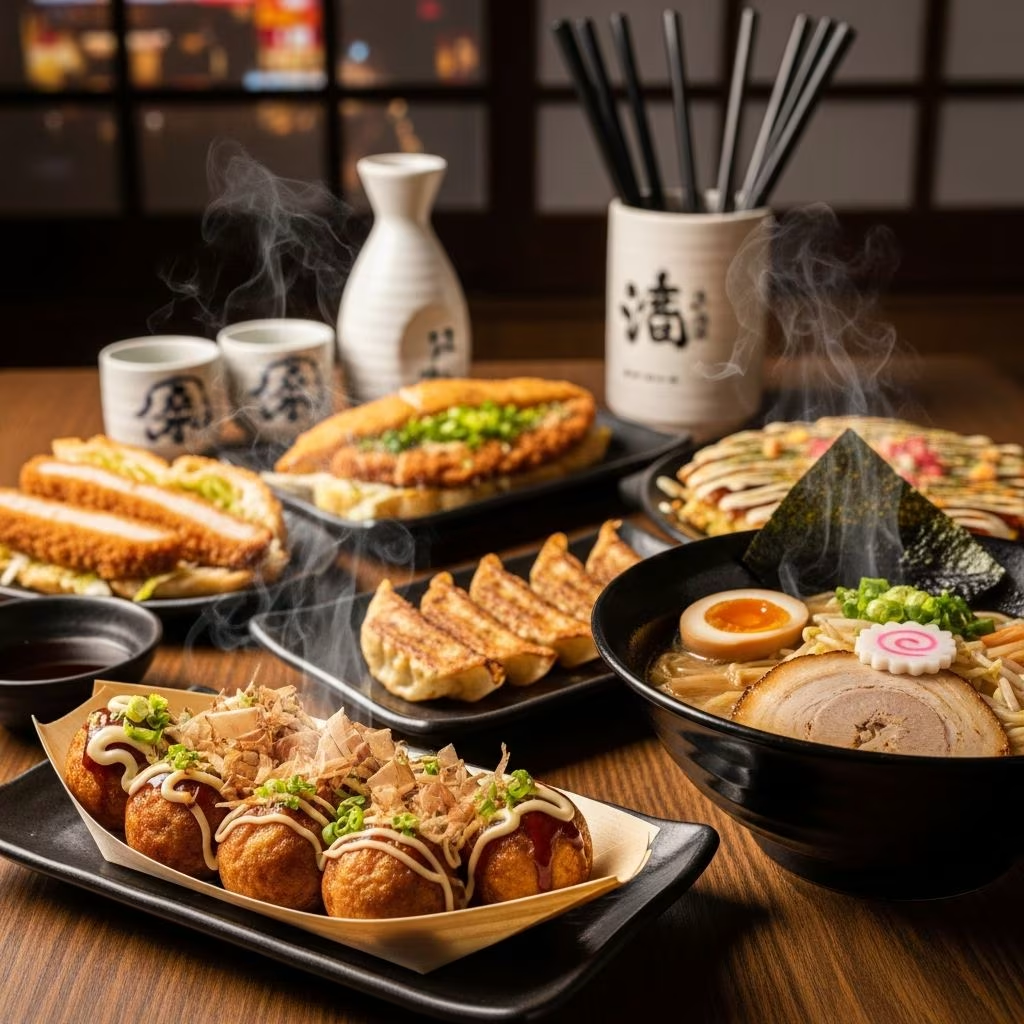
Explore Tokyo's authentic food culture through B-kyu gurume—affordable, delicious comfort food found in casual restaurants and street stalls that locals love.
 Travel Essentials
When traveling to Tokyo, many visitors seek out Michelin-starred establishments and upscale dining venues. However, the true essence of Tokyo’s culinary identity lies in its humble B-kyu gurume restaurants—the soul of everyday Japanese food culture. These casual eateries serve as the heartbeat of local dining, offering visitors an authentic window into how Tokyoites actually eat and celebrate their food heritage.
B-kyu gurume, which translates to “B-class gourmet,” represents far more than the designation might suggest. Despite the seemingly unflattering ranking, these dishes embody the philosophy that exceptional food doesn’t require expensive ingredients or elaborate preparation. The term emerged during Japan’s economic boom of the 1980s, when high-end dining flourished and local izakaya fare became classified as “second-rate” by contrast. Rather than accept this categorization, Japanese food enthusiasts transformed it into a point of pride, celebrating the unpretentious charm and genuine deliciousness of everyday cuisine.
The concept fundamentally rejects the notion that culinary excellence correlates with cost. B-kyu gurume dishes are tasty, good value, and unpretentious, using regionally-sourced, inexpensive, and humble ingredients prepared in modest mom-and-pop establishments and izakaya. What makes these dishes special is their accessibility combined with authentic flavor—they represent the food that ordinary Japanese people genuinely enjoy.
At its core, B-kyu gurume embodies a democratic approach to gastronomy. These cuisines are popular with the masses, made with less ‘fancy’ ingredients, and are often quickly and easily served and eaten. The beauty lies in simplicity—most B-kyu gurume dishes can be replicated at home, giving them a homemade, “made with love” quality that resonates across generations.
The cultural significance extends beyond mere affordability. These dishes often showcase local area gurume, featuring regional specialties that reflect the unique identity of specific prefectures and cities. When Japanese people travel domestically, they actively seek out local dishes as a way to experience the authentic character of each region. This practice has continuously fueled B-kyu gurume popularity throughout Japan, particularly in Western regions where the culture thrives intensely.
Tokyo offers visitors an impressive array of B-kyu gurume options that showcase the city’s diverse food culture. Understanding the most popular categories helps orient newcomers to what they should prioritize:
While many B-kyu gurume dishes circulate throughout Japan, Tokyo has cultivated distinctive local specialties that define the city’s casual dining landscape. Monjayaki stands out as a Tokyo original—a savory pancake variant that differs subtly from its Osaka cousin okonomiyaki. The preparation and ingredient composition give monjayaki its unique character within the B-kyu gurume canon.
Tokyo’s casual dining establishments also feature regional variations on national favorites. Yakisoba prepared in Tokyo kitchens takes on local character through ingredient selection and preparation techniques specific to the city. These dishes maintain their status as B-kyu gurume while reflecting Tokyo’s culinary preferences and available resources.
Finding genuine B-kyu gurume establishments requires understanding where locals actually eat rather than relying on guidebooks. The authentic experiences hide in specific venue types:
A defining characteristic of B-kyu gurume involves the use of local ingredients and local flavor. This regional specificity transforms simple, affordable ingredients into distinctive cultural expressions. Fujinomiya yakisoba from Shizuoka prefecture exemplifies this principle—the dish gains its identity from sardine powder (rather than standard bonito flakes) combined with yakisoba noodles, cabbage, meat, sauce, and pickled ginger.
Tokyo’s position as a major metropolitan hub means visitors can access B-kyu gurume from across Japan, not just local Tokyo specialties. Many restaurants proudly feature regional dishes from their proprietors’ home prefectures, creating a culinary map of Japan within the city. This accessibility allows travelers to sample authentic regional variations without extensive travel.
For travelers genuinely interested in experiencing Tokyo as residents do, B-kyu gurume restaurants offer irreplaceable authenticity. These establishments serve the food that Tokyoites genuinely enjoy—not dishes modified for tourist palates or presentation-focused preparations. The casual atmosphere, affordable prices, and authentic flavors create an immersive cultural experience that expensive fine dining cannot replicate.
Eating at B-kyu gurume venues provides windows into local daily life. You’ll encounter salary workers grabbing quick lunch, families celebrating modest occasions, and elderly regulars maintaining decades-long relationships with restaurant proprietors. This social dimension distinguishes B-kyu gurume from transactional dining experiences.
One of B-kyu gurume’s greatest appeals involves the value proposition. These dishes are simultaneously hearty, filling, and delicious, satisfying hunger while maintaining exceptional taste standards. A visitor can eat multiple meals daily at B-kyu gurume establishments while spending less than a single meal at mid-range restaurants.
This affordability democratizes access to authentic Japanese food culture. Rather than restricting exceptional dining experiences to those with substantial budgets, B-kyu gurume ensures that anyone visiting Tokyo—regardless of financial resources—can eat genuinely excellent food prepared by skilled cooks devoted to their craft.
Successfully navigating Tokyo’s B-kyu gurume landscape requires understanding subtle cultural cues and practical strategies:
B-kyu gurume transcends mere food classification to represent fundamental Japanese values. These dishes celebrate efficiency, humility, and the pursuit of excellence regardless of circumstance. They demonstrate that extraordinary results don’t require extraordinary resources—a philosophy extending far beyond cuisine into Japanese cultural philosophy.
The sustained popularity of B-kyu gurume culture, strengthened through initiatives like the B-1 Grand Prix food festival that showcases local dishes regionally, reflects a deliberate choice by Japanese society to honor authentic, accessible food traditions. Rather than surrendering to globalization or stratified dining hierarchies, Japan has elevated affordable comfort food to celebrated status.
Authentic travel experiences emerge not from famous landmarks or prestigious establishments but from everyday interactions and genuine cultural participation. By seeking out B-kyu gurume restaurants, visitors transform themselves from observers into participants in Tokyo’s living food culture. These casual establishments serve as democratized cultural institutions, welcoming anyone willing to embrace simplicity, affordability, and authentic flavor.
The next time you find yourself in Tokyo, bypass the elaborate reservations and tourist-focused menus. Instead, follow the locals into small restaurants displaying noodle-shop banners, enter izakaya filled with after-work crowds, and order whatever attracts your attention. In these unassuming venues, you’ll discover that the most memorable meals often emerge from the most humble circumstances—exactly as B-kyu gurume philosophy suggests.
