

 Travel Essentials
 Travel Essentials

Explore Tokyo's vibrant drinking scene with insider tips on neighborhoods, etiquette, drink types, and safety for an unforgettable night out.
 Travel Essentials
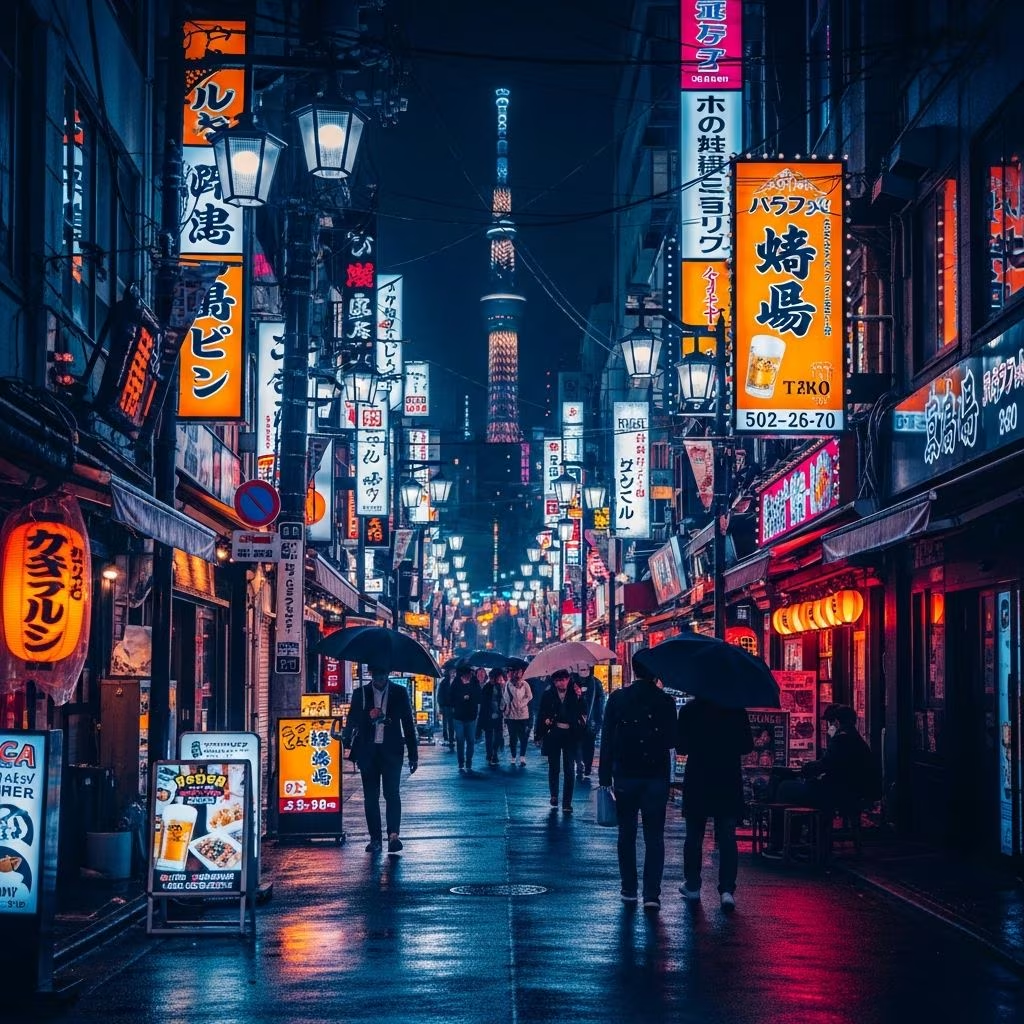
Tokyo’s beverage scene represents far more than simply ordering a drink—it embodies a sophisticated blend of tradition, innovation, and social connection. The Japanese capital transforms after sunset into a labyrinth of drinking establishments, each offering distinct atmospheres and experiences. Whether you seek intimate conversations in hidden alleyways, craft beverages at cutting-edge establishments, or the electric energy of bustling entertainment districts, Tokyo delivers opportunities for every preference and budget.
Navigating Tokyo’s drinking culture successfully begins with understanding fundamental social conventions that govern these spaces. Japanese drinking customs differ significantly from Western traditions, and respecting these practices enhances your experience while demonstrating cultural awareness.
The communal nature of drinking in Japan centers on group participation rather than individual consumption. When ordering rounds, wait until all attendees receive their beverages before initiating your first sip. This synchronized approach reflects the collective consciousness embedded in Japanese society. The traditional toast, “kampai” (literally “empty cup”), marks the ceremonial beginning of social drinking. Participating enthusiastically in this collective cheer establishes camaraderie and sets a positive tone for the evening.
Pouring practices carry significant meaning in Japanese drinking etiquette. Rather than serving yourself, proactively monitor your companions’ glasses and refill them when appropriate. This reciprocal service demonstrates respect and attentiveness. Conversely, when someone pours for you, accept graciously by holding your glass with both hands, a gesture signifying respect and gratitude. These seemingly small actions create bonds and show consideration for those around you.
Tokyo’s geography directly influences drinking culture, with specific neighborhoods developing distinct identities and reputations. Each district caters to different demographics and preferences, from nostalgic experiences to ultra-modern venues.
Shibuya pulses with youthful energy and contemporary attractions. This energetic neighborhood serves as an excellent entry point for visitors unfamiliar with Tokyo’s drinking landscape. Nonbei Yokochō, literally translating to “Drinkers’ Alley,” preserves authentic charm through its narrow passageways lined with tiny establishments that have served locals continuously since the 1950s. These intimate venues evoke the Shōwa period aesthetic—a throwback era that charms both Japanese nationals and international visitors.
Beyond the traditional alleyway experience, Dōgenzaka Hill hosts contemporary alternatives. Modern craft beer establishments and sophisticated sake restaurants operate alongside historic drinking holes, offering visitors maximum variety within a compact geographic area. This neighborhood diversity means you can experience both nostalgic authenticity and cutting-edge beverage culture within the same evening.
Roppongi has established itself as Tokyo’s premier upscale drinking destination, though it requires thoughtful navigation. The district features two prominent Hills complexes—Azabudai Hills and Toranomon Hills—which house numerous sophisticated drinking venues. Azabudai Hills, the larger complex, combines retail spaces with an impressive collection of bars. Its seasonal beer garden has become a summer highlight, where skilled bartenders create herb-infused cocktails while patrons enjoy panoramic views of Tokyo’s illuminated skyline.
Toranomon Hills continues this upscale trajectory through specialized establishments. A craft beer brewery and craft gin distillery operate within Toranomon Yokocho, a dedicated food and drink alley. The Andaz Tokyo Hotel’s rooftop bar serves inventive seasonal cocktails with similarly impressive city vistas. However, exercise caution regarding street touts in Roppongi who may lead unsuspecting visitors to establishments with inflated pricing. Stick to established venues and avoid solicitations from street-level recruiters.
Nihombashi represents Tokyo’s historic core, where traditional Japanese culture intersects with contemporary sophistication. The underground theater-bar Suigian offers nightly performances featuring classical Japanese arts—kabuki, traditional music, and other cultural expressions—while bartenders craft innovative cocktails inspired by Japan’s 72 micro-seasons, a traditional framework dividing the year into distinct climatic periods.
Adjacent to this cultural venue, the Heiwa Doburoku Kabutocho Brewery showcases Japan’s ancient brewing heritage. Visitors can sample doboroku, a thick, small-batch sake fermented onsite using centuries-old techniques preserved in wooden tubs. The brewery also offers contemporary craft beers and traditional sake selections, all served within a stylish blonde-wood interior that balances heritage authenticity with modern design sensibilities.
Tokyo’s waterways provide refreshing alternatives to skyscraper-focused drinking experiences. Tennozu Isle, known for its artistic community, hosts the TY Harbor complex along Shinagawa waterways. This venue combines a stylish restaurant, onsite craft beer brewery, and floating bar—a unique concept where beverages are served directly from the water’s edge. The waterfront ambiance transforms dramatically after nightfall, when illuminated yakatabune (pleasure boats) cruise past, creating magical atmospheric conditions.
Further north along Tokyo Bay, Clann by the River emphasizes Japan’s craft beer revolution through an ever-rotating tap list featuring exclusively domestic brews. The riverside setting amplifies the sensory experience, particularly during evening hours when ambient lighting reflects across the water.
Tokyo’s drinking culture encompasses far more variety than Western bar culture typically offers. Understanding available options helps you navigate menus and make selections aligned with your preferences.
Sake represents Japan’s most iconic traditional beverage, yet many visitors misunderstand its complexity. Traditional sake bars and breweries throughout Tokyo educate patrons on different production methods, rice varieties, and flavor profiles. Shochu, a stronger distilled spirit typically produced from sweet potatoes, barley, or rice, offers a bolder alternative. Chuhai—flavored shochu cocktails—provide approachable entry points for those intimidated by pure spirits.
Japanese whisky has gained international prominence, with Suntory and Nikka commanding respect among enthusiasts. The emerging Ichiro’s Malt from Chichibu distillery showcases complex flavor combinations merging deep, woodsy notes with gentle fruitiness. These premium spirits command higher prices but represent exceptional quality.
Japan’s craft beer movement has transformed the country’s beverage landscape dramatically. Tokyo hosts numerous breweries and specialized bars featuring rotating tap lists showcasing domestic innovations. Many establishments combine brewing operations with drinking venues, allowing visitors to experience production environments directly while sampling fresh creations.
Tokyo’s cocktail scene spans from casual establishments serving straightforward mixed drinks to haute-cuisine-inspired bars where mixologists craft conceptual beverages. Theater-bars like Suigian integrate cocktails with cultural performances, while rooftop venues emphasize visual presentation alongside flavor complexity. Seasonal menus reflecting Japan’s micro-season framework keep offerings fresh throughout the year.
Beyond conventional bars, Tokyo offers distinctive drinking environments reflecting the city’s creative culture.
Tokyo’s listening bars prioritize auditory experience above casual socializing. These venues feature extensive vinyl collections and premium sound systems—Martha and Track in Ebisu exemplify this concept with ceiling-high record stacks creating immersive environments. Unwritten rules govern behavior: loud conversation is strongly discouraged, and photography is prohibited. These spaces demand respect and active listening participation rather than casual background noise.
Tachinomiya (standing bars) and similar unseated venues offer camaraderie, affordability, and accessibility. These establishments encourage shoulder-to-shoulder socializing and spontaneous friendships among patrons. Specific neighborhoods excel in this format: the Chuo Line extending west from Shinjuku Station between Nakano and Mitaka stations offers dense concentrations of standing bars. Similarly, the stretch between Yurakucho and Shinbashi stations further east provides comparable opportunities for casual, budget-friendly bar crawling experiences.
The Berkana Music Bar near Yebisu Brewery Tokyo combines state-of-the-art sound systems with selections of Cuban cigars and craft beers. The extensive Japanese whisky collection at this venue rivals dedicated whisky bars, offering both established giants and emerging distilleries. These hybrid spaces blur boundaries between bars, clubs, and entertainment venues.
Tokyo’s bars typically open later than Western establishments, generally beginning service between 3:00 PM and 5:00 PM, with early evening peaks occurring after 6:00 PM. This afternoon opening window allows for after-work drinks, a cultural practice deeply embedded in Japanese corporate life. Evening hours from 7:00 PM onward bring maximum crowds and atmospheric energy. Venues remain open late, often past midnight, with some operating until dawn.
Drink prices in Tokyo typically range from 500 to 1,500 yen, depending on venue sophistication and beverage type. Standing bars and casual izakayas offer the lower end of this spectrum, while upscale cocktail bars and rooftop venues command premium pricing. Most establishments accept both cash and card payments, though smaller traditional venues may prefer cash. Notably, tipping is not customary in Tokyo bars—service charges are included in listed prices, and leaving additional gratuities may create confusion or discomfort.
Japan’s convenience stores (combini) represent a uniquely accessible drinking option. Pre-made chuhai beverages come in canned form, offering portability and affordability. Japanese law permits public consumption of these beverages in outdoor spaces like parks, provided no signage prohibits alcohol. This democratic approach to drinking accessibility reflects Japanese culture’s permissive stance toward social alcohol consumption in appropriate contexts.
Visitors must be at least 20 years old to legally purchase or consume alcohol in Japan. This minimum age is strictly enforced, and vendors will request identification. Japan maintains zero-tolerance policies toward recreational drugs, including marijuana, with severe legal consequences for violations. Street drug use carries particularly harsh penalties far exceeding typical Western jurisdictions.
Despite Tokyo’s reputation as one of the world’s safest cities, responsible drinking practices remain essential. Avoid excessive alcohol consumption, as public intoxication is neither tolerated socially nor legally. Stay away from train platforms after drinking, as fatigue combined with intoxication increases accident risks. Steer clear of Roppongi and Shinjuku street touts who prey on intoxicated visitors with establishments charging extortionate bills.
Most Tokyo bars offer non-alcoholic alternatives upon request. “Mocktails” and “non-aru” drinks provide social participation without alcohol consumption. Designated drivers and those preferring sobriety can fully engage with Tokyo’s social drinking culture through these alternatives.
Tokyo’s summertime festivals create temporary drinking destinations throughout the city. These seasonal events offer festive atmospheres and communal celebration opportunities. Temporary beer gardens, festival vendor stalls, and outdoor venues proliferate during warmer months, extending drinking experiences beyond traditional interior spaces.
Yes, drinking alcohol in public spaces like parks is legal in Tokyo unless specific signs prohibit it. However, public intoxication and disorderly conduct are discouraged and can result in police intervention.
The legal drinking age is 20 years old. Vendors strictly enforce this requirement and request identification.
No, tipping is not customary and is generally not expected. Service charges are included in listed prices.
Most bars open between 3:00 PM and 5:00 PM, with peak hours beginning around 6:00 PM or later.
Doboroku is a thick, small-batch sake fermented using centuries-old techniques. The Heiwa Doburoku Kabutocho Brewery in Nihombashi specializes in this traditional beverage.
English menus are common in upscale venues and tourist-friendly establishments but less common in local yokocho (alleyways) favored by regular patrons.
Tokyo’s drinking scene reflects the city’s broader character—a sophisticated balance between honoring centuries-old traditions while enthusiastically embracing contemporary innovation. From intimate alleyway establishments preserving mid-century atmospheres to high-tech rooftop bars overlooking illuminated skylines, Tokyo offers drinking experiences impossible to replicate elsewhere. Success in navigating this vibrant landscape depends on respecting cultural conventions, choosing venues matching your preferences and comfort level, and engaging authentically with the communities you encounter. Whether you seek historical immersion, craft beverage excellence, social connection, or sensory adventure, Tokyo’s multifaceted drinking culture delivers unforgettable experiences for discerning visitors willing to explore beyond surface-level tourism.
