


 Food & Culture
Food & Culture
Tokyo Food Ingredients: Koji, Dashi, Nori & Urban Farming
Explore Tokyo's food culture through its core ingredients like koji, dashi, and seasonal produce, highlighting urban farming and traditional ferments.
 Food & Culture
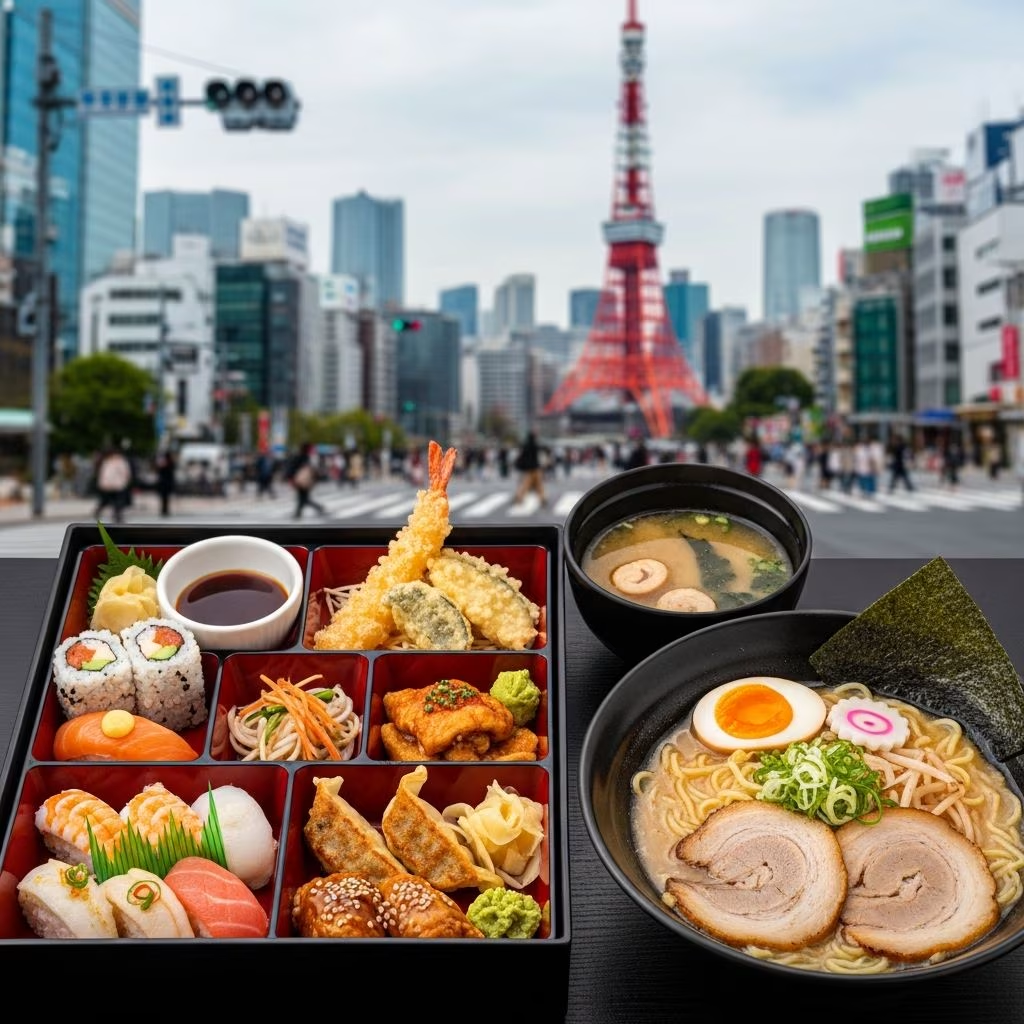
Tokyo’s food scene thrives on a blend of time-honored traditions and cutting-edge innovations, with key ingredients at its heart. These elements, from fermented staples to fresh urban-grown produce, define the flavors that draw millions to the city’s eateries and markets.
The Fermentation Foundation: Koji and Beyond
Koji, a mold cultivated on rice known scientifically as Aspergillus oryzae, forms the backbone of many Japanese pantry essentials. Used for nearly two millennia, it kickstarts the fermentation process for products like miso, soy sauce, mirin, and vinegars. This simple combination of rice and mold spores unlocks deep umami flavors essential to Tokyo’s cuisine.
In miso production, soybeans, koji, salt, and water age together, creating pastes with varied profiles from light and sweet to dark and robust. Artisans in Tokyo meticulously control aging periods to achieve balance, reflecting a dedication to quality that permeates the city’s food culture.
Broths and Bases: Dashi’s Umami Magic
Dashi stands as the quintessential stock in Japanese cooking, infusing dishes with subtle yet profound savoriness. Made from kombu seaweed and katsuobushi (dried bonito flakes), it underpins soups, noodle broths, and simmered preparations.
- Kombu: Provides glutamates for a clean oceanic depth.
- Katsuobushi: Adds inosinic acid, amplifying umami when combined with kombu.
- Shiitake mushrooms: Offer a vegetal alternative for vegetarian versions.
This broth exemplifies washoku, Japan’s traditional cuisine emphasizing seasonal simplicity and balance. In Tokyo’s ramen shops and kaiseki restaurants, dashi elevates even basic ingredients to gourmet heights.
Seasonal Stars: Produce from City and Countryside
Tokyo’s ingredient story extends to its agriculture, where ancient waterways ferry fresh goods from surrounding farms into the metropolis. These networks, operational for over 400 years, ensure a steady supply of vegetables, rice, and fruits.
Urban innovation complements rural bounty. Vertical farms in office towers yield pesticide-free greens year-round, while rooftop beehives in Ginza produce honey for local sweets and teas. Compact systems allow city dwellers to contribute to food self-sufficiency amid skyscrapers.
| Urban Farming Type | Location Example | Key Outputs |
|---|---|---|
| Vertical Farming | Office Buildings | Leafy greens, herbs |
| Rooftop Beekeeping | Ginza District | Honey, pollination |
| Waterway Networks | Central Tokyo | Fresh produce transport |
Such practices highlight Tokyo’s adaptability, merging high-tech solutions with respect for nature’s cycles.
Seaweed and Seeds: Nori, Sesame, and More
Nori sheets wrap sushi rolls and garnish rice dishes, their crisp texture and mild brininess a staple. Black sesame paste, or neri goma, adds nutty richness to desserts and dressings.
These ingredients showcase Japan’s resourceful use of the sea and soil. Panko breadcrumbs, flaky and light, transform proteins like tonkatsu into crunchy delights, differing from Western styles.
Proteins and Pickles: Tofu, Fish, and Yakumi
Tofu, derived from soybeans, offers versatile protein in soups, grills, and salads. Fresh seafood dominates, with ikura (salmon roe) providing bursts of color and taste atop rice.
Yakumi condiments enhance flavors and aid digestion. This category includes shiso leaves, sansho pepper, yuzu zest, and shichimi spice blends—mixtures of chili, sesame, and citrus peels. Umeboshi plums add tangy salinity to rice balls.
- Shichimi togarashi: Seven-spice mix for noodles and grilled meats.
- Wasabi: Grated rhizome for sinus-clearing heat with sushi.
- Myoga ginger: Buds for mild, floral notes in salads.
Sauces and Seasonings: Soy, Vinegar, and Mirin
Soy sauce, fermented via koji, seasons everything from marinades to dips. Rice vinegar brightens salads and pickles, while mirin lends subtle sweetness to teriyaki glazes.
These liquids achieve harmony in Tokyo’s ichiju sansai meals—one soup, three sides—balancing flavors meticulously.
Innovation Meets Tradition in Tokyo’s Kitchens
Chefs like Yoshihisa Akiyama draw from local sights and ingredients to craft modern plates. High-end spots use Tokyo-grown microgreens with koji-marinated fish, while street vendors simmer dashi-based ramen.
Markets like Tsukiji Outer Market (successor to the famed auction site) bustle with vendors offering fresh nori, miso, and yakumi, immersing visitors in the ingredient ecosystem.
Health and Harmony: Nutritional Insights
Japanese staples promote wellness through fermentation’s probiotics and low-fat profiles. Miso aids gut health, dashi delivers minerals from the sea, and tofu provides plant protein. Low dairy and red meat use aligns with longevity studies in Japan.
Seasonality ensures peak nutrition; spring bamboo shoots yield to summer tomatoes in Tokyo’s seasonal rotations.
FAQs
What is koji and why is it important in Tokyo cuisine?
Koji is a rice mold used to ferment miso, soy sauce, and more, creating umami central to Japanese flavors.
How does urban farming impact Tokyo’s food supply?
Innovations like vertical farms and rooftop bees provide fresh, local produce in the dense city.
What are essential yakumi condiments?
Shichimi, wasabi, yuzu, and shiso elevate dishes while aiding digestion.
Is dashi always made with fish?
No, vegetarian versions use kombu and shiitake mushrooms.
How can I recreate Tokyo flavors at home?
Stock koji miso, dashi powder, nori, and soy sauce for authentic bases.
Practical Tips for Tokyo Food Explorers
Visit depachika (department store basements) for ingredient sampling. Join fermentation workshops or urban farm tours. Pair visits with seasonal festivals featuring fresh produce.
References
- The ingredients of Tokyo’s food culture — Lonely Planet. 2023. https://www.lonelyplanet.com/articles/tokyo-food-culture-ingredients
- A to Z of Japanese Ingredients — Japan Rail Pass. 2023. https://www.jrpass.com/blog/a-to-z-of-japanese-ingredients
- Basic ingredients for Japanese Cooking — YJC Tokyo. 2023. https://yjc.tokyo/basic-ingredients-for-japanese-cooking/
- Japanese cuisine — Wikipedia. 2026-04-20. https://en.wikipedia.org/wiki/Japanese_cuisine
- How Tokyo’s ingredients and sights inspire chefs — YouTube (Tokyo My City). 2023. https://www.youtube.com/watch?v=ZGKJ-1nsfoc
On This Page
The Fermentation Foundation: Koji and Beyond Broths and Bases: Dashi's Umami Magic Seasonal Stars: Produce from City and Countryside Seaweed and Seeds: Nori, Sesame, and More Proteins and Pickles: Tofu, Fish, and Yakumi Sauces and Seasonings: Soy, Vinegar, and Mirin Innovation Meets Tradition in Tokyo's Kitchens Health and Harmony: Nutritional Insights FAQs Practical Tips for Tokyo Food Explorers← Previous
Japan Etiquette Guide for Tourists: Do’s and Don’ts
Next →
Tokyo Food Culture: Edo Roots to Global Culinary Capital
Related Reading
More in Food & Culture
Food & Culture Food & Culture
 Food & Culture
Best Places to Eat in Rome: Neighborhood Dining Guide
 Food & Culture
 Food & Culture