

 Travel Essentials
 Travel Essentials

Explore Tokyo's best winter activities including dazzling light displays, onsen getaways, ice skating, and nearby snow destinations for an unforgettable cold-season experience.
 Travel Essentials
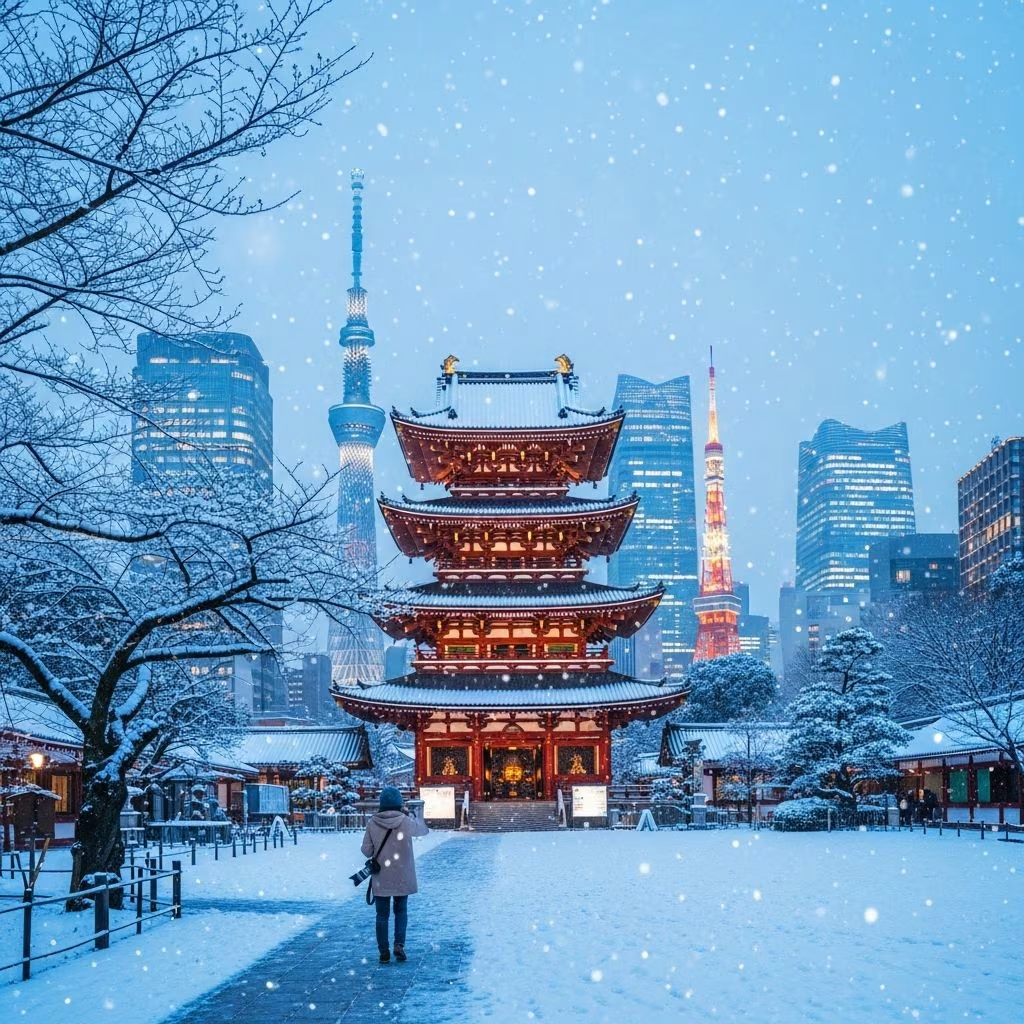
Tokyo transforms into a captivating destination when winter arrives, offering visitors and locals alike a chance to experience the city in ways few seasons can match. From December through February, the urban landscape combines modern metropolitan energy with traditional Japanese winter customs, creating an atmosphere that feels both contemporary and timeless. Whether you’re drawn to the glittering lights that line major streets or the serene mountains surrounding the city, winter in Tokyo presents opportunities for adventure, relaxation, and cultural immersion that define the season.
One of the most defining characteristics of Tokyo’s winter landscape is the proliferation of illumination events that transform neighborhoods into glowing wonderlands. These light displays begin in November and typically continue through December, with some installations extending into February, creating a progression of festive atmospheres throughout the cold months.
The city’s most celebrated illumination zones concentrate in areas that are naturally pedestrian-friendly and commercially vibrant. Marunouchi Nakadori Street stands out for its distinctive golden-hued lighting that creates an almost ethereal quality, making nighttime strolls feel removed from the city’s typical urban pace. The contrast between the warm golden tones and winter’s crisp air creates an environment perfect for evening exploration.
Other premier illumination destinations offer their own unique atmospheres:
These illuminations serve purposes beyond mere decoration—they represent a cultural tradition of honoring winter through light and reflect Japan’s aesthetic philosophy of finding beauty in seasonal transitions. Planning visits early in the evening allows for both photography opportunities and comfortable walking before crowds peak later at night.
Despite Tokyo’s reputation as a sprawling metropolitan area, the city sits within reach of Japan’s premier winter sports destinations. While Tokyo itself rarely experiences significant snowfall, the surrounding mountains provide reliable snow conditions throughout the winter season.
Skiing and snowboarding enthusiasts can access world-class resorts within a few hours of central Tokyo. Gala Yuzawa and Karuizawa have become popular weekend destinations for residents seeking genuine snow sports experiences. These mountain resorts offer more than athletic pursuits—they provide a psychological contrast to urban living, allowing visitors to experience Japan’s winter landscape in its most dramatic form.
For those without skiing interests, mountain day trips offer alternative winter experiences. The journey from Tokyo to these alpine areas itself becomes part of the adventure, as the landscape progressively transforms from dense urbanization to natural wilderness. Nikko represents an especially accessible option, offering snow-covered temples and mountain scenery in a single day excursion that includes the meditative qualities of traditional Japanese architecture enhanced by winter conditions.
One of Japan’s most extraordinary winter phenomena occurs along the Tateyama Kurobe Alpine Route, accessible through a two-day excursion from Tokyo. During peak winter, this mountain passage features snow walls reaching approximately twenty meters in height, with only the cleared roadway visible ahead. This dramatic natural feature creates an otherworldly landscape that photographers and nature enthusiasts find particularly compelling.
The village of Shirakawago, with its distinctive thatched-roof gassho-zukuri farmhouses, exemplifies traditional Japanese mountain architecture in winter settings. Visiting during snowfall transforms this UNESCO-recognized village into a living historical museum, where the contrast between ancient construction methods and winter’s harsh beauty becomes viscerally apparent.
Winter elevates the appeal of Japan’s onsen (hot spring) tradition, as the contrast between steaming waters and cold air creates a sensory experience unmatched in other seasons. Popular onsen destinations near Tokyo range from internationally famous to locally cherished communities.
Kusatsu Onsen in Gunma Prefecture represents one of Japan’s most celebrated hot spring destinations, prized for exceptionally mineral-rich waters and a vibrant yubatake district that transforms under winter snow. The combination of historic bathhouses, outdoor pools, and mountain scenery makes Kusatsu a comprehensive thermal resort experience.
Hakone provides mountain hot springs with scenic views and serves as an accessible alternative to more distant destinations while offering thermal experiences distinct from urban Tokyo. Shibu Onsen attracts visitors seeking authentic small-town charm alongside its famous connection to nearby Jigokudani Snow Monkey Park.
Ginzan Onsen, though requiring a longer journey to Tohoku, delivers a uniquely romantic winter atmosphere that justifies its popularity and reputation among Japanese travelers. Planning reservations well in advance proves essential, as these destinations book rapidly during winter months, particularly during weekends and holidays when Japanese residents themselves seek thermal escapes.
Tokyo’s urban environment hosts numerous outdoor ice rinks that combine athletic activity with distinctive city backdrops. Rooftop Star Skating Rink, positioned atop GINZA SIX, offers perhaps the city’s most memorable combination of winter sports and urban scenery, allowing skaters to glide while Tokyo’s skyline surrounds them. Similar rinks appear at various locations throughout central Tokyo, often with different architectural contexts and neighborhood atmospheres that reward exploration.
These skating venues serve casual recreational purposes and don’t require competitive skills or advanced experience. The accessibility of these facilities makes ice skating an inclusive winter activity suitable for families, couples, and solo travelers seeking memorable experiences during the cold season.
Winter’s arrival in Tokyo occurs gradually, with the season officially beginning in December while autumn colors persist into early December in certain urban parks. Todoroki Valley, Jindai Botanical Gardens, Hibiya Park, and Inokashira Park extend autumn foliage viewing into early winter, creating a layered seasonal transition rather than an abrupt change.
As winter deepens, these same locations transform into spaces where diminished vegetation reveals architectural and geographic features hidden during lusher seasons. Traditional gardens display their underlying design philosophies more clearly when winter’s sparse aesthetic dominates the landscape.
Tokyo’s winter offers numerous indoor cultural pursuits ideal for cold weather days. Japanese tea ceremonies provide meditative indoor experiences that connect to seasonal traditions, while wagashi (traditional sweet) making classes offer hands-on cultural learning. Pottery and indigo-dyeing workshops similarly combine indoor comfort with artistic engagement and cultural education.
Shopping centers including Sunshine City in Ikebukuro and Tokyo Solamachi at the base of Tokyo Skytree function as climate-controlled destinations featuring boutiques, cafés, and specialty shops including the Ghibli Museum shop and Pokémon Center. These venues serve practical warming functions while offering entertainment and shopping opportunities.
Winter cuisine represents a distinct culinary category in Japanese food culture, with seasonal ingredients and traditional dishes marking the cold months. Hearty regional specialties and warming dishes feature prominently in restaurants and home cooking during this period. Hot pots, noodle dishes, and other steaming preparations become gastronomically and culturally significant during winter months.
Several factors enhance winter travel experiences in Tokyo and surrounding areas. Verifying illumination dates proves essential, as many displays conclude immediately after Christmas or New Year rather than continuing throughout winter. Building an itinerary based on confirmed dates prevents disappointing encounters with dark streets expected to display lights.
Booking onsen accommodations and mountain resort activities well in advance ensures availability, particularly for weekend visits and holiday periods when domestic Japanese travelers also seek winter destinations. Using established booking platforms like Booking.com or Agoda provides reliable reservation mechanisms for both luxury ryokans and standard accommodations.
Layered clothing and appropriate winter gear become necessities despite Tokyo’s relatively mild climate compared to northern Japan. Wind, humidity variations, and extended outdoor walking require preparation, particularly when planning illumination tours or temple visits in mountain areas.
Tokyo’s winter identity emerges through the interaction of its modern urban character with traditional Japanese seasonal customs. The glittering illuminations, thermal spring traditions, nearby mountain landscapes, and cultural activities combine to create a multifaceted seasonal experience. Whether visitors prioritize festive city exploration, mountain adventures, thermal relaxation, or cultural immersion, Tokyo’s winter season accommodates diverse interests and travel styles. Planning ahead, understanding seasonal variations, and maintaining flexibility allows travelers to construct personalized winter experiences that align with individual preferences while capturing the essence of Tokyo during its coldest and most luminous months.
