

 Travel Essentials
 Travel Essentials

Learn how to experience Tokyo's best attractions, dining, and culture while maintaining a lean travel budget through strategic planning and local insights.
 Travel Essentials
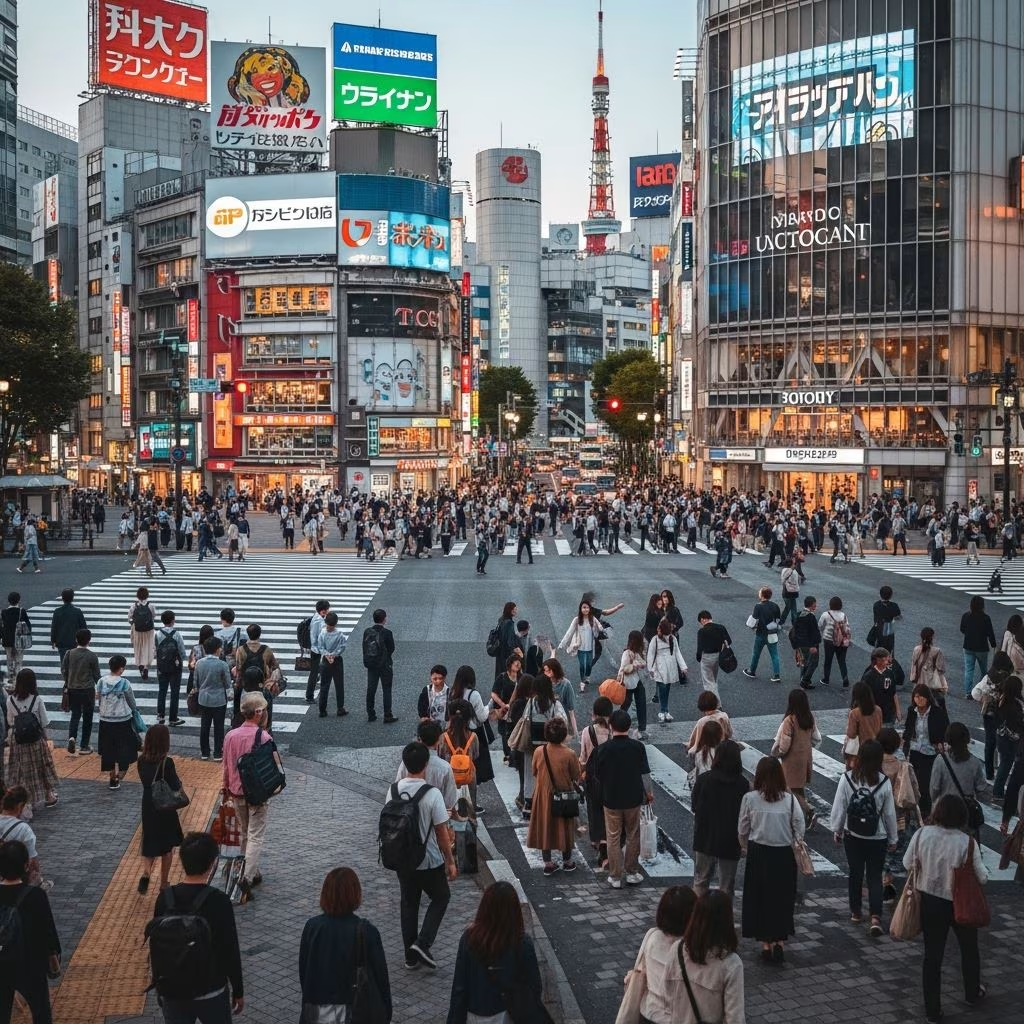
Tokyo has earned a reputation as one of the world’s most expensive cities, yet this perception often deters travelers from exploring Japan’s dynamic capital. The reality is considerably more nuanced. With thoughtful planning and knowledge of local resources, visitors can enjoy world-class experiences, exceptional cuisine, and cultural immersion without depleting their savings. The key lies in understanding where to allocate funds strategically and where to leverage free or minimal-cost opportunities that abound throughout the city.
The challenge of experiencing Tokyo affordably is not about deprivation but rather about making intelligent choices that align with your priorities. Many travelers discover that by focusing resources on experiences that matter most to them while adopting economical approaches to necessities like accommodation and transport, they can extend their trips significantly and enjoy more of what makes Tokyo remarkable.
Before diving into specific money-saving strategies, it helps to understand the baseline costs of traveling in Tokyo. Having a realistic picture of daily expenses allows you to budget effectively and identify areas where significant savings are possible.
Accommodation represents one of the largest line items in any Tokyo budget. A basic hotel room suitable for two people typically costs around ¥15,000 (approximately US$102). However, budget-conscious travelers have alternative options that substantially reduce this expense. Capsule hotels, a uniquely Japanese accommodation style, offer functional sleeping quarters at significantly lower rates, ranging from ¥6,600 to ¥8,000 (US$45 to US$54) per night. These compact pods provide a quintessentially Japanese experience while maintaining cleanliness and basic amenities.
Transportation within the city requires minimal daily expenditure. A single subway journey costs between US$1 to US$3 depending on distance covered. A 24-hour unlimited transit pass costs ¥600 (US$4), while a combined pass for both Tokyo Metro and Toei Subway systems costs ¥900 (US$6). These passes grant unlimited access to the city’s comprehensive public transit network, making them excellent investments for multi-day visits.
Daily refreshments like coffee typically cost ¥400 (US$3), while meals can range from budget-friendly convenience store options to mid-range establishments. Understanding these baseline costs helps establish realistic daily budgets, with many travelers finding they can explore Tokyo comfortably on US$50 to US$70 daily.
Transportation logistics significantly impact overall travel expenses. Tokyo offers several approaches to moving around the city, each with distinct cost implications and practical benefits.
The Tokyo Metro and JR train network form the backbone of urban transport. Rather than purchasing individual tickets for each journey, prepaid cards such as Suica or Pasmo eliminate transaction costs and provide seamless access across trains, buses, and select vending machines. These reusable cards represent an efficient payment method that often offers subtle discounts compared to single-journey tickets.
For tourists planning multiple daily trips across the city, pass options provide exceptional value. The Tokyo Subway Ticket offers unlimited travel on metro lines for 24, 48, or 72-hour periods at fractions of what individual tickets would cost. This option suits travelers with packed itineraries who plan extensive exploration.
Often overlooked by visitors, walking represents the most economical transportation method. Tokyo’s neighborhoods feature remarkable walkability, allowing travelers to traverse significant distances on foot. Moving between major districts like Shibuya and Shinjuku through Meiji Shrine’s forested grounds combines transportation with sightseeing. Similarly, the Sumida River promenade provides a scenic pathway connecting various destinations while eliminating transit costs entirely. Evening walks through illuminated neighborhoods like Roppongi and Ginza offer free visual experiences rivaling paid attractions.
| Transportation Option | Cost | Best For |
|---|---|---|
| Individual Train/Metro Ride | ¥170-¥320 | Single journeys |
| 24-Hour Subway Pass | ¥600 | Day trips with multiple stops |
| 72-Hour Subway Pass | ¥1,800 | Extended city exploration |
| Airport Limousine Bus (Narita to Central Tokyo) | ¥3,200 | Airport transfer |
| Standard Bus Fare | ¥210+ | Neighborhood transit |
Where you rest your head each night significantly impacts overall expenditure. Tokyo offers diverse accommodation options catering to various comfort levels and budget constraints.
Capsule hotels emerged from Japanese ingenuity in solving urban space constraints and represent an economical accommodation choice that many international visitors find surprisingly comfortable. These facilities provide secure sleeping pods with basic amenities, frequently including shared bathroom facilities and common areas where guests interact. The experience itself becomes a memorable part of the Tokyo adventure, offering insight into Japanese efficiency and design philosophy.
Budget hotel chains provide slightly more space and privacy at moderate price points. Many offer basic but clean rooms with essential amenities, suitable for travelers seeking privacy without premium pricing. Selecting accommodations in less touristy neighborhoods outside the central districts often yields better rates while providing authentic local experiences.
Timing your visit strategically impacts accommodation costs substantially. Visiting during off-peak seasons, particularly late winter or early spring before cherry blossom season peaks, results in significantly lower room rates. Major travel seasons and holidays command premium pricing, so flexible travelers can capture substantial savings by adjusting their dates.
Tokyo’s reputation for exceptional cuisine need not translate to excessive spending. The city offers remarkable dining opportunities across every price point, from Michelin-starred establishments to humble neighborhood spots.
Izakaya restaurants, traditional Japanese gastropubs, frequently offer tabehōdai (all-you-can-eat) and nomihōdai (all-you-can-drink) options that provide extraordinary value. These set-price arrangements allow guests to sample diverse dishes and beverages while controlling total expenditure. Finding izakaya locations popular with local workers rather than tourists typically ensures better pricing and authentic preparation.
Convenience stores like 7-Eleven, Lawson, and FamilyMart throughout Tokyo provide surprisingly high-quality prepared foods at minimal cost. These establishments offer fresh bento boxes, onigiri (rice balls), and side dishes prepared daily. Many visitors discover that convenience store meals prove both delicious and satisfying while costing a fraction of restaurant meals.
Ramen shops and small noodle restaurants represent another budget-friendly dining category. These casual establishments serve hearty, flavorful bowls for typically ¥800 to ¥1,200 (US$5 to US$8). The quality-to-cost ratio in these modest eateries often surpasses significantly more expensive establishments.
Street food vendors, particularly in neighborhoods like Asakusa and Harajuku, offer inexpensive snacks and light meals. Takoyaki (octopus balls), okonomiyaki (savory pancakes), and other street foods provide authentic local tastes at minimal expense.
Tokyo’s cultural and natural attractions include numerous options requiring no entry fee or minimal charges, allowing extensive exploration without significant expense.
Historic temples and shrines welcome visitors free of charge. Senso-ji Temple in Asakusa, Tokyo’s oldest temple, attracts millions annually and offers free access to its main grounds and surrounding areas. The nearby Nakamise shopping street provides a bustling atmosphere filled with traditional merchandise and snacks. Similarly, Meiji Shrine near Harajuku sits within a serene forest and welcomes visitors without entry fees, providing respite from urban activity and cultural insight.
Public parks and gardens offer seasonal beauty, particularly during cherry blossom season. Yoyogi Park and Ueno Park provide free access where locals and visitors gather for picnicking and relaxation. Shinjuku Gyoen National Garden charges a modest entry fee (approximately ¥500) while providing meticulously maintained gardens representing diverse horticultural traditions.
The Tokyo Metropolitan Government Building in Shinjuku offers free panoramic city views from its observation deck, eliminating costly paid observation tower fees while delivering identical vistas. This insider knowledge allows visitors to experience Tokyo’s scale and layout without expenditure.
Neighborhood exploration itself constitutes free entertainment. Akihabara, famous for electronics and anime culture, invites browsing without purchase obligations. Takeshita Street in Harajuku showcases youth fashion and quirky shops where window-shopping entertains visitors for hours. Shimokitazawa charms with vintage shops and live music venues, many offering free entry to performances.
When you visit Tokyo substantially affects overall costs. Understanding seasonal variations allows strategic planning that maximizes experiences while minimizing expenses.
Cherry blossom season (late March through April) attracts peak tourist numbers, driving up accommodation rates and creating crowding at popular sites. Visiting slightly before peak bloom or afterward captures lower prices and less congestion while still experiencing spring beauty.
Late winter (January through February) represents an excellent budget period. Accommodation rates drop considerably, flights cost less, and attractions remain uncrowded. Winter weather requires appropriate clothing but presents no insurmountable obstacles for travelers from cold climates.
Booking flights well in advance and maintaining flexibility regarding specific travel dates yields significant savings. Off-season fares can be considerably lower than peak-season pricing, with savings sometimes exceeding 50 percent.
Various transportation passes and combination tickets reduce costs for multi-day or multi-destination travel.
The Japan Rail Pass, while primarily targeting longer journeys between cities, offers value for certain itineraries. The 7-day ordinary pass costs from ¥50,000 and covers extensive travel throughout Japan. The JR East Pass targets eastern Japan exploration, with the 5-day Tohoku Pass costing ¥30,000 and including Tokyo access, while the 10-day version costs ¥48,000. Budget travelers planning to combine Tokyo with destinations like Mt. Fuji or nearby prefectures find these passes economical.
Museum passes and combination tickets frequently offer discounts compared to individual entry fees. The Tokyo National Museum charges approximately ¥1,000 (US$7) for entry, representing exceptional value considering the extensive collections and historical significance.
Experiencing authentic Japanese culture need not involve expensive tours or high-end experiences. Tokyo offers countless opportunities for meaningful cultural engagement at minimal or no cost.
Exploring traditional neighborhoods like Yanaka provides glimpses of old Tokyo, with wooden buildings and quiet streets offering atmospheric walks through historical districts. The experience requires nothing beyond comfortable walking shoes and curiosity.
Visiting local markets reveals daily life and provides opportunities to sample regional specialties. Markets operate continuously throughout the city, offering insights into Japanese food culture and shopping practices without attendance fees.
Attending local festivals and seasonal events, many free or low-cost, provides authentic cultural participation. These celebrations occur throughout the year across various neighborhoods, offering music, food, and community engagement.
Successfully traveling Tokyo affordably combines research, flexibility, and prioritization. Identifying which experiences matter most to you allows intelligent allocation of limited funds. Whether your priority involves culinary exploration, cultural sites, or neighborhood wandering, Tokyo accommodates diverse preferences without requiring excessive spending.
Starting with realistic daily budgets (US$50 to US$70 proves achievable for many travelers), strategic accommodation choices, public transportation optimization, and knowledge of free attractions creates a framework for memorable Tokyo experiences. The city rewards curious travelers willing to explore beyond obvious tourist zones and embrace local resources.
Ultimately, Tokyo’s greatest treasures—the energy of its neighborhoods, the reverence in its temples, the artistry in its cuisine, and the warmth of its people—remain free to experience. By combining these priceless elements with budget-conscious planning, you can discover why Tokyo captivates visitors regardless of their financial resources.
