

 Travel Essentials
 Travel Essentials

Explore Tokyo's top temples and shrines, from bustling Senso-ji to serene Meiji Jingu. Learn customs, history, and tips for meaningful visits amid the city's vibrancy.
 Travel Essentials
Tokyo pulses with modern energy, yet its temples and shrines offer tranquil escapes rooted in Shinto and Buddhist traditions. These sites attract millions annually, blending history, architecture, and rituals into profound experiences. This guide highlights must-visit locations, cultural nuances, and practical advice for immersive visits.
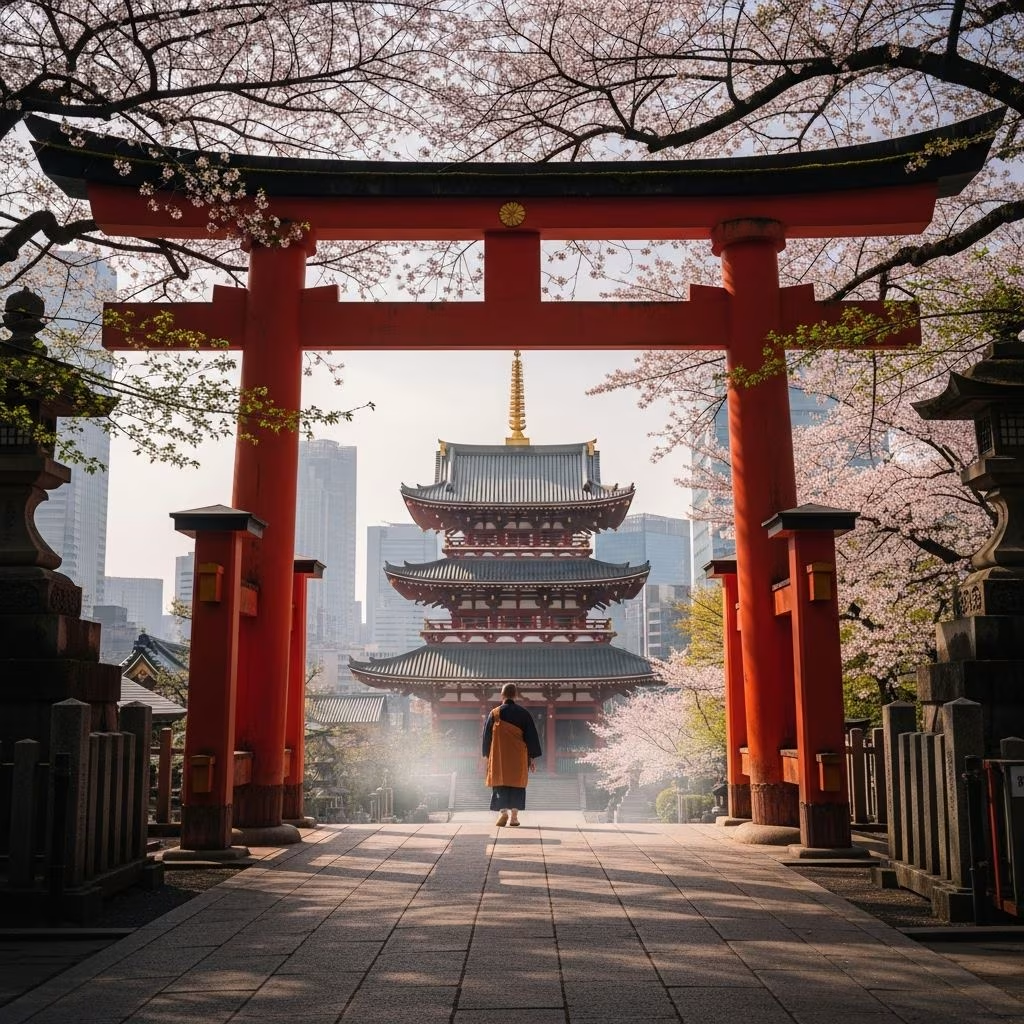
Distinguishing Tokyo’s sacred spaces begins with their religious foundations. Shinto shrines honor kami—spirits or deities—marked by iconic red torii gates at entrances. Visitors pass under these to enter purified grounds, often seeing white paper lightning bolts called shide and fox statues representing messengers.
Buddhist temples, conversely, feature grand sanmon gates guarded by fierce nio statues. Inside, expect Buddha statues, incense burners, and pagodas symbolizing enlightenment paths. Both welcome daily worshippers, but shrines emphasize nature harmony while temples focus on meditation and karma.
| Feature | Shinto Shrines | Buddhist Temples |
|---|---|---|
| Entrance Gate | Torii (red arch) | Sanmon (roofed gate) |
| Guardian Figures | Foxes or lions | Nio warriors |
| Prayer Ritual | Two bows, two claps, one bow | Silent hands-together prayer |
| Key Symbol | Mirror or sword | Buddha statue |
Shrines dot Tokyo’s landscape, from forested enclaves to urban hubs. Each tells stories of emperors, warriors, and nature spirits.
Nestled in a 170-acre evergreen forest, Meiji Jingu honors Emperor Meiji and Empress Shoken. Donated trees from across Japan create a serene approach via gravel paths. The main hall’s copper tiles gleam under canopies, ideal for quiet reflection. Weddings in traditional attire are common sights.
This shrine commemorates Japan’s war dead since 1869, housing over 2.4 million souls. Its museum, Yushukan, offers artifacts like wartime aircraft. Patriotic festivals draw crowds, though international debates surround its enshrinements. Cherry blossoms in spring enhance its poignant atmosphere.
In Akihabara’s shadow, Kanda Myojin buzzes with business blessings. Colorful lion dances and massive festivals like the Kanda Matsuri showcase community spirit. Talismans for prosperity abound.
Asakusa Jinja pairs with Senso-ji, venerating thunder gods. Toshogu in Ueno Park boasts ornate carvings amid cherry trees, perfect for park picnics.
Temples provide meditative oases, with incense-scented air and chanting monks evoking centuries of devotion.
Founded in 645 CE, Senso-ji in Asakusa welcomes 30 million visitors yearly. Nakamise Street leads to Kaminarimon Gate’s massive lantern, then the five-story pagoda and main hall housing Kannon Bodhisattva. Night illuminations add magic.
This Jodo sect temple features a 1800s main hall and six-story pagoda. Over 350,000 Tokugawa clan members rest here. Tokyo Tower’s red gleam contrasts ancient stone lanterns.
Zenkoku-ji in Kagurazaka dazzles with vivid architecture. Nearby Yushima Seido, a Confucian temple, offers scholarly calm post-Akihabara frenzy.
Beyond icons, Tokyo hides eclectic sites for deeper exploration.
Honor traditions to enhance your experience. At shrines: Purify hands/mouth at chozuya basins. Pray with two bows, two claps (to alert kami), one bow. Toss coins into saisenbako. No eating, drinking, or photos of worshippers.
Temples: Light incense, pray silently. Remove hats; photography often allowed except altars. Tattoos? Cover if visible; most sites are welcoming.
Shrines feature torii gates; temples, sanmon with nio guardians—spot the difference on arrival.
Maximize time with themed days:
Use Suica/Pasmo cards for seamless transit. Spring sakura or autumn foliage peak seasons; summers humid, winters mild.
Most grounds and main halls are free; special gardens or museums charge 500-1000 yen.
Many grounds stay open; Senso-ji lights up beautifully post-sunset.
Casual fine; cover shoulders/knees for respect. No bare feet indoors.
Shrines: Bow twice, clap twice, bow once, state wish silently. Temples: Hands together, bow.
Weekdays early morning or late afternoon; skip weekends and holidays.
Time visits for matsuri: Senso-ji’s Sanja Festival (May) parades mikoshi; Meiji Jingu’s autumn kagura dances. Yasukuni’s spring cherry blossoms draw hanami picnickers.
These events amplify spiritual energy, with food stalls and performances blending faith and fun.
