

 Travel Essentials
 Travel Essentials

Comprehensive guide to traveling from Tokyo to Mt Fuji by train: Fuji Excursion, Shinkansen options, schedules, costs, and day trip advice for Kawaguchiko.
 Travel Essentials
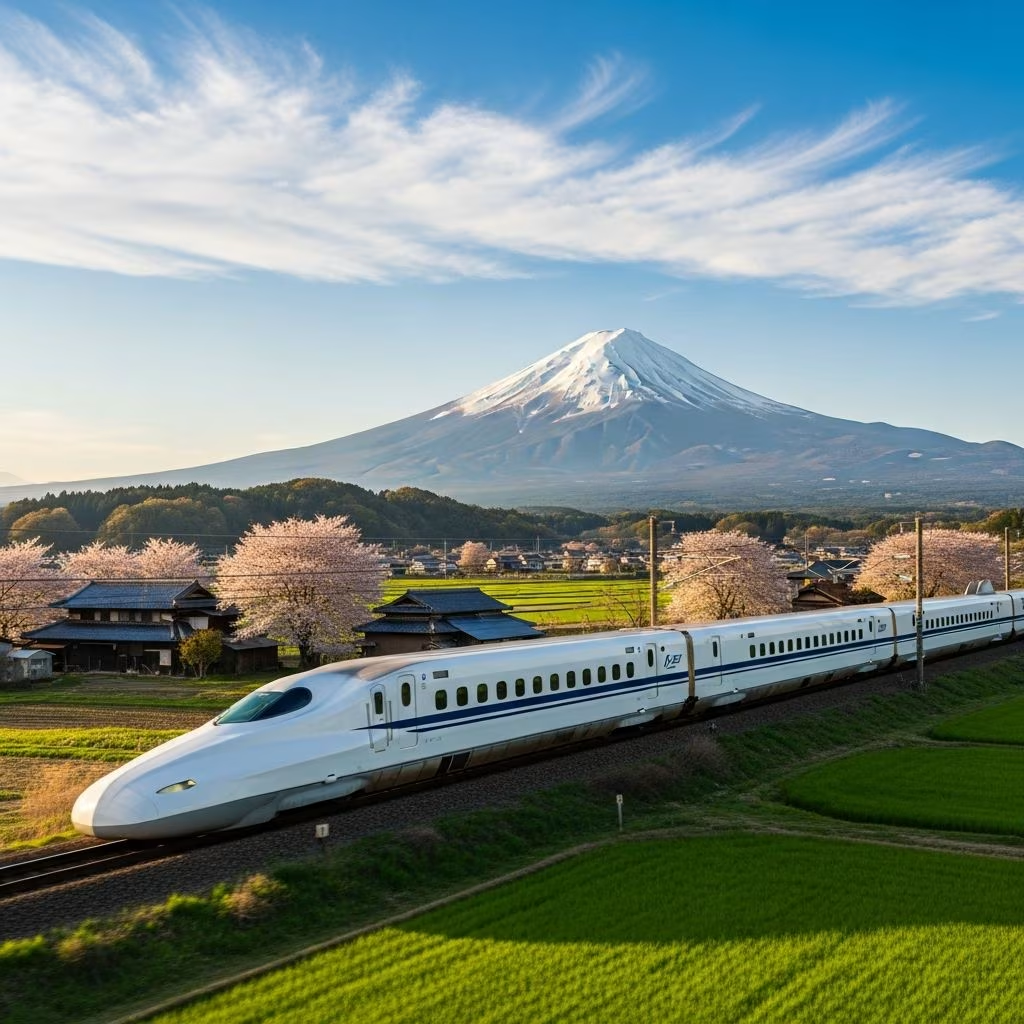
Traveling from Tokyo to Mt Fuji by train offers a blend of speed, comfort, and breathtaking scenery, making it an ideal choice for day trips or overnight adventures. The Fuji Excursion Limited Express stands out as the premier direct option, whisking passengers from Shinjuku Station to Kawaguchiko in under two hours with panoramic views of the iconic mountain.
Trains provide reliability amid Tokyo’s traffic, superior comfort with reserved seating, and access to Japan Rail Pass benefits on select routes. While buses are cheaper, they lack the scenic rail vistas and can be crowded. Driving saves time for groups but involves tolls and parking hassles around Fuji Five Lakes. For solo travelers or couples, trains deliver the best value and views.
Several rail paths connect Tokyo to Mt Fuji’s base, primarily targeting Kawaguchiko Station for lake views or Fujisan Station for 5th Station hikes. Here’s a breakdown of key options:
Operated jointly by JR East and Fujikyu Railway, this limited express train features wide windows for optimal Mt Fuji sightings, especially on the right side. Departures align perfectly for day trips: arrive by noon, explore, return by evening. It’s popular, so reserve seats via JR East’s website or apps weeks ahead, particularly in peak seasons like cherry blossom or climbing periods.
Schedules are consistent year-round, with more options in summer. Use Hyperdia or JR apps for real-time updates.
| Route | Departure Times (Shinjuku to Kawaguchiko) | Return Times (Kawaguchiko to Shinjuku) | One-Way Fare (Adult) | Duration |
|---|---|---|---|---|
| Fuji Excursion | 7:30am, 8:30am, 9:30am, 11:30am | 3:03pm, 4:25pm, 4:51pm, 5:36pm | ¥4,130-¥5,780 | 1h 55m |
| Shinkansen + Bus | Every 15-30min (Kodama) | Frequent | ¥6,000 (train) + ¥2,136 (bus) | 3h+ |
| Kaiji/Azusa + Fujikyu | Multiple daily | Multiple | ¥3,530 + local fare | 2-2.5h |
| Local via Takao | Frequent | Frequent | ¥2,170 | 2h 45m |
Children half-price; round-trips often discounted. JR Pass covers base fares on JR segments but not Fujikyu—buy excursion tickets separately.
Book Fuji Excursion online via JR East (e.g., Eki-Net) or at Shinjuku Station ticket offices. Advance purchase recommended; same-day available but risky. Japan Rail Pass holders ride free on Kodama Shinkansen and JR lines to Otsuki, slashing costs for multi-leg trips. Activate your pass before boarding. For non-pass users, IC cards like Suica work seamlessly for locals.
Position matters: on Fuji Excursion and outbound trains, right-side window seats (E/F cars) frame the mountain perfectly post-Otsuki. Shinkansen right-side (F/D seats) offers early peeks. Check seat maps during booking—cars 1-5 typically best. Clear days (winter) yield sharpest vistas; apps like Fuji Views predict visibility.
Total cost: ¥10,000-15,000/person including meals/transport. Extend for 5th Station via bus from Fujisan (¥2,100, 1 hour).
Summer (July-Aug): Climbing season—direct 5th Station buses run; trains busier. Book early.
Autumn/Winter: Snow-capped Fuji shines; fewer crowds, but check weather for visibility.
Spring: Cherry blossoms frame the peak.
| Method | Time | Cost (One-Way) | Comfort | Scenery |
|---|---|---|---|---|
| Direct Bus | 2-2.5h | ¥1,900-3,800 | Medium | Good |
| Fuji Excursion Train | 1h 55m | ¥4,130+ | High | Excellent |
| Shinkansen + Bus | 3h | ¥8,000+ | High | Very Good |
| Car/Taxi | 2h | ¥20,000+ tolls | High | Flexible |
Trains win for solo/day-trippers; buses for budgets.
No, it covers JR to Otsuki; pay extra for Fujikyu segment (~¥1,770). Nationwide pass best for Shinkansen.
Highly recommended for limited express; unreserved locals risk standing.
Early morning outbound; winter for clarity. Check webcams.
Yes, via Fujisan Station + bus (3h total from Tokyo, ¥5,780 express).
Fuji Excursion has priority seats/lifts; request ahead.
Stay at Kawaguchiko ryokans for onsen and starlit Fuji. Buses/trains link to Hakone or Gotemba outlets. Multi-day JR Pass maximizes value.
This guide equips you for seamless Tokyo-Mt Fuji rail travel, blending efficiency with Japan’s world-class scenery.
