

 Travel Essentials
 Travel Essentials

Tongass National Forest offers vast wilderness, glaciers, trails, and wildlife viewing across 17 million acres in Southeast Alaska. Ideal for hiking, kayaking, and eco-adventures.
 Travel Essentials
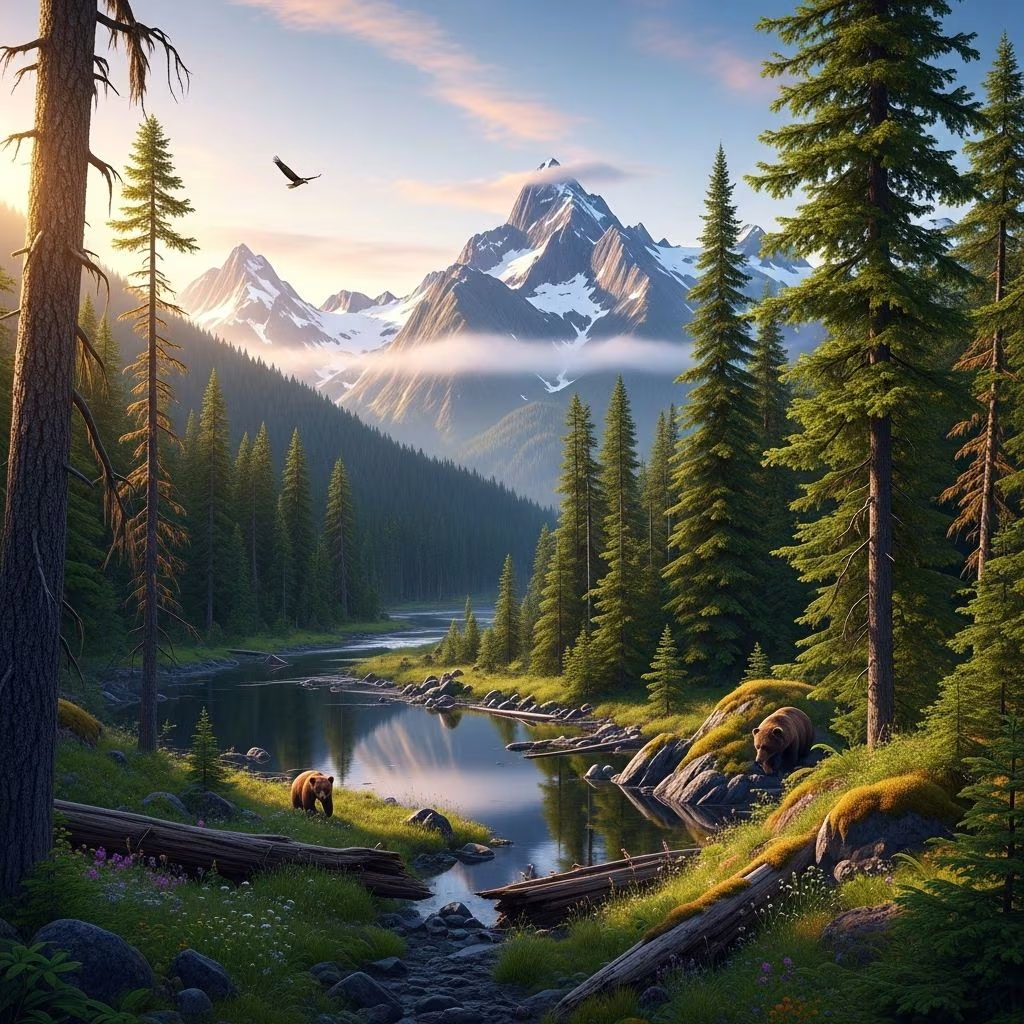
The Tongass National Forest stands as the crown jewel of America’s protected lands, encompassing nearly 17 million acres of pristine wilderness in Southeast Alaska. This expansive temperate rainforest, the largest contiguous one on Earth, stretches along the Inside Passage, blending dramatic coastlines, towering glaciers, and lush ecosystems teeming with wildlife. Managed by the U.S. Forest Service for multiple uses including recreation, fisheries, and preservation, it draws over 2.8 million visitors annually who seek unparalleled natural beauty and adventure.
Spanning more than 500 miles of coastline across islands, fjords, and mountains, Tongass covers over 80% of Southeast Alaska and supports 32 communities, including Juneau, the state capital. Its geography features steep peaks plunging into the Pacific, thousands of islands, and heavy rainfall that fuels moss-covered ancient trees, ferns, and streams. This narrow strip between the ocean and Canada creates a marine-influenced environment where storms nourish hyper-diverse habitats.
Key landscape highlights include tidewater glaciers calving into bays, misty fjords like those in the Misty Fjords National Monument, and peat bogs known as muskegs. Admiralty Island National Monument adds to the protected areas, alongside 19 designated wilderness zones such as the 545-square-mile Russell Fjord Wilderness. These features make Tongass a hotspot for geological wonders and biodiversity.
Tongass pulses with life, hosting brown bears, moose, bald eagles, whales, orcas, seals, and salmon runs that sustain the food chain. Over 80 scenic spots offer prime wildlife viewing, from coastal meadows to riverbanks where bears fish. Migratory birds flock to stopover sites, and marine mammals thrive in surrounding waters. No threatened or endangered species dominate, but the ecosystem supports robust populations through careful management.
Ranger-led tours enhance safe viewing, providing insights into behaviors and habitats while minimizing disturbance.
With 450 miles of trails, Tongass caters to hikers, bikers, paddlers, and more. Over 60 routes suit off-highway vehicles (OHVs) under 50 inches wide, though most exploration happens by boat, ferry, or floatplane due to limited roads.
Trails range from easy boardwalks over muskegs to challenging alpine paths. In Juneau, access five floatplane-accessible hikes or footpaths to Mendenhall Glacier. Herbert Glacier Trail offers stunning vistas, while historic gold miner routes add cultural depth. Winter brings nearly 50 cross-country ski paths to hot springs and massive trees.
The Inside Passage shines for kayaking in Tracy Arm-Fords Terror Wilderness or canoeing Admiralty Island lakes. Ferries and cruise excursions provide accessible entry, revealing waterfalls and islands. El Capitan Cave tours on Prince of Wales Island combine paddling with spelunking.
Over 40 mountain bike trails traverse wetlands on boardwalks, mountaintops, and coastal paths. Winter snowmobiling on 16 routes glides through forests and coastlines, with multi-use awareness essential. All motorized vehicles require registration and trail adherence.
| Activity | Best Locations | Difficulty Level | Season |
|---|---|---|---|
| Hiking | Juneau trails, Herbert Glacier | Easy to Strenuous | Summer/Fall |
| Kayaking | Tracy Arm, Inside Passage | Beginner to Advanced | Summer |
| Mountain Biking | Coastal routes, wetlands | Intermediate | Summer |
| Snowmobiling | Forest meadows, coast | Moderate | Winter |
| OHV Trails | Forest roads | Varies | Summer |
Tongass boasts 20 designated campgrounds, though only three accommodate RVs, offering unique immersion in rainforest settings. Dispersed backcountry camping thrives in vast areas, with 150 reservable Forest Service cabins scattered via floatplane or boat. Facilities emphasize rustic charm, perfect for stargazing under minimal light pollution.
Reach Tongass via Alaska Marine Highway ferries, cruises, or flights to hubs like Ketchikan, Juneau, Sitka, Petersburg, Wrangell, Craig, Hoonah, Thorne Bay, and Yakutat. Three main visitor centers—Southeast Alaska Discovery Center (Ketchikan), Mendenhall Glacier (Juneau), and Petersburg—offer exhibits and planning help. Ranger districts provide local intel.
Prepare for wet weather, mud, and wildlife; pack rain gear, bear spray, and navigation tools. OHVs and snowmobiles need permits; wilderness areas ban motors. Guided tours via local operators ensure safety and depth.
As a multiple-use forest, Tongass balances recreation, timber, mining, and conservation, generating economic value through jobs and revenue. Visitors contribute by sticking to trails, proper food storage, and supporting eco-operators. Its intact rainforest sequesters carbon and protects salmon habitats vital to indigenous communities.
Nearly 17 million acres, making it the largest U.S. national forest and world’s largest temperate rainforest.
Summer (June-August) for hiking and kayaking; winter for snow sports. Shoulder seasons offer fewer crowds.
Limited; only three campgrounds suit RVs. Boat or floatplane access dominates.
Join ranger tours, maintain distance, carry bear spray, and store food properly.
Yes, 150 cabins and campgrounds book via Recreation.gov; plan early.
OHVs/snowmobiles require registration; some trails need passes. Check ranger stations.
Tongass National Forest invites immersive escapes into raw nature, where every trail and waterway reveals Alaska’s wild heart. Whether chasing glaciers or watching whales, it promises transformative experiences for nature enthusiasts.
