

 Travel Essentials
 Travel Essentials

Explore top Amazon experiences: from flooded forest canoeing and primate spotting to ancient tree treks and river safaris, all while supporting sustainable tourism.
 Travel Essentials
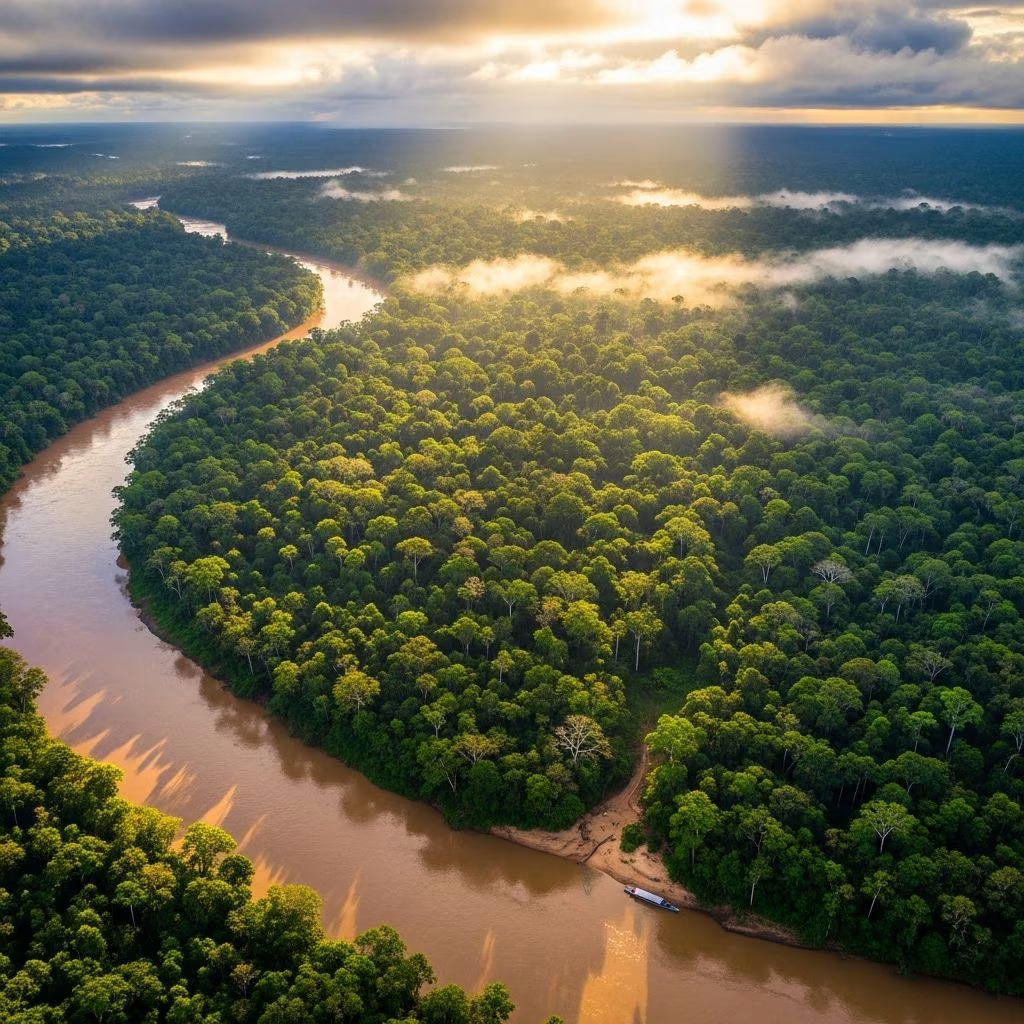
The Amazon rainforest spans nine countries, but its Brazilian heart offers unparalleled opportunities for deep immersion into one of Earth’s most biodiverse regions. Covering over 5.5 million square kilometers, this vast wilderness teems with life, from elusive jaguars to vibrant birdlife, providing adventurers with transformative experiences. Whether gliding through waterlogged canopies or trekking beneath towering ancient trees, these activities promise connections with nature that few places can match.
One of the most mesmerizing ways to experience the Amazon is paddling through seasonally inundated forests, where waterways weave between tree trunks. In areas like the Mamirauá Sustainable Development Reserve, visitors can hire local guides for silent canoe excursions amid *várzea* ecosystems—flooded plains enriched by river sediments that foster unique biodiversity. These journeys reveal hidden worlds: pink river dolphins surface playfully, while white uakari monkeys swing overhead in the canopy.
Seasonal water levels dictate the adventure; high water in the wet season (December to June) allows deep penetration into the forest, turning the landscape into a liquid labyrinth. Dry periods shift focus to narrower channels teeming with piranhas and caimans. Expect 2-4 hour outings, often combined with night paddles to spot nocturnal creatures like owls and tree frogs. Local operators provide wooden canoes crafted by indigenous artisans, emphasizing low-impact tourism that benefits reserve communities.
For primate enthusiasts, reserves like Xixuaú-Xipariná offer a front-row seat to Amazonian biodiversity. This protected extractive reserve safeguards one of the continent’s richest mammal assemblages, with up to 10 monkey species recorded in a single trip. Howler monkeys’ roars echo at dawn, capuchins forage in troops, and rarer sakis peer from branches. Giant river otters frolic in streams, while jaguars and ocelots prowl the understory.
A typical week-long stay involves guided hikes and canoe treks, adapting to water levels. Mornings start with dawn chorus listening, transitioning to forest trails where guides interpret tracks and calls. Evenings bring campfire stories from resident families who manage the reserve sustainably through ecotourism and Brazil nut harvesting. Accommodations range from basic jungle lodges to community-run guesthouses, fostering cultural exchange.
| Primate Species | Key Traits | Best Viewing Time |
|---|---|---|
| Howler Monkey | Loud vocalizations, leaf-based diet | Dawn/Dusk |
| Capuchin Monkey | Tool-using, social groups | Midday foraging |
| White Uakari | Red face, arboreal | Flooded forest edges |
| Saki Monkey | Shy, nocturnal tendencies | Early morning |
Deep within the Floresta Nacional do Tapajós, hikers encounter some of the planet’s largest trees, including 1000-year-old samaumas rising over 50 meters. Located near Santarém, this national forest preserves primary rainforest, where the air hums with avian symphonies from toucans and macaws. Trails lead through buttressed-root mazes, past sloths draped in moss and hoatzins wading in shallows.
Day trips from riverside communities include organic meals in family-run eateries and overnight hammock stays in beachfront inns. Nocturnal walks reveal glowing fungi and frog choruses, while beach barbecues under starlit skies cap evenings. Operators like Amazon Antonio Jungle Tours offer customizable itineraries, blending forest immersion with community visits to learn about sustainable nut collection and rubber tapping traditions.
The seasonally flooded plains around Santarém, known as *várzea*, host boat-based safaris revealing accessible wildlife hotspots. Pink dolphins breach beside vessels, anacondas bask on banks, and chestnut-fronted macaws flash overhead. Hoatzin birds, with their prehistoric crests, perch conspicuously, making this ideal for photographers.
Multi-day cruises sleep guests in hammocks or cabins, with canoes deploying for close encounters. Guides like Gil Serique emphasize ethical viewing distances to minimize disturbance. These trips highlight the Amazon’s pulse—the interplay of river and forest sustaining immense food webs.
Beyond wildlife, the Amazon thrives through its people. Visits to ribeirinho (riverside) settlements introduce caboclo culture—a blend of indigenous, African, and European influences. Participate in Brazil nut harvesting, traditional fishing with bow and arrow, or cassava processing. In Mamirauá, community-led tours fund conservation, with hosts sharing lore on medicinal plants like copaiba for inflammation relief.
Homestays offer authentic meals of tambaqui fish grilled over open fires and pequi fruit stews. Learn to weave palm crafts or paddle dugout canoes, gaining insights into sustainable living amid encroaching modernity. These exchanges underscore ecotourism’s role in preserving traditions against deforestation pressures.
For thrill-seekers, forest camping immerses you in the Amazon’s night symphony. Sites in reserves like Tapajós feature mosquito-netted platforms elevated above flood lines. Guides lead sunset hikes spotting tapirs, then build fires for storytelling. Dawn reveals dew-laden webs and emerging orchids.
Gear includes lightweight hammocks, headlamps for caiman spotting, and anti-malarial precautions. Multi-night treks cover 10-20km, with opportunities for piranha fishing using simple lines baited with beef heart.
The Amazon’s rhythm follows flood cycles: wet season (Dec-Jun) excels for canoeing; dry (Jul-Nov) favors hiking. Pack quick-dry clothing, high-DEET repellent, waterproof boots, binoculars, and a dry bag. Hydrate with treated water; vaccinations for yellow fever are mandatory.
Wet season for flooded forest access; dry for trails. Avoid peak rainy months if prone to seasickness on boats.
Yes, with reputable guides. Stick to established reserves to avoid unregulated areas.
$800-2000 USD, covering lodging, meals, and guides, varying by luxury level.
Monkeys, dolphins, birds; big cats require luck and patience.
Yes, reserves like Mamirauá prioritize community-led, low-impact operations.
