

 Travel Essentials
 Travel Essentials

Explore Arizona's diverse attractions from iconic canyons to vibrant cities, featuring natural wonders, outdoor adventures, and rich cultural heritage.
 Travel Essentials
Arizona stands as one of North America’s most geographically diverse states, offering visitors an extraordinary range of experiences across its expansive 114,000 square miles. From ancient geological formations to vibrant urban centers, the Grand Canyon State presents opportunities for adventure, cultural immersion, and natural exploration that appeal to travelers of all interests and experience levels.
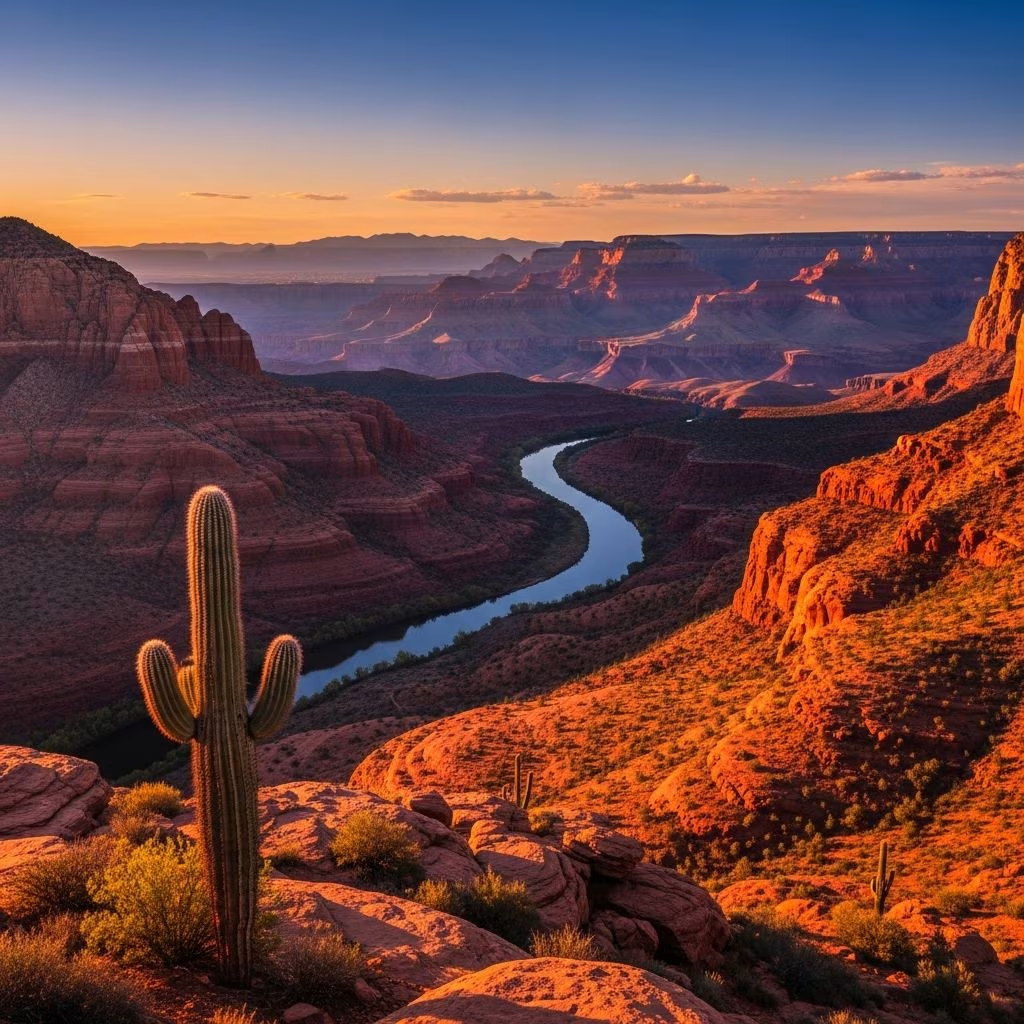
The Grand Canyon represents America’s most recognizable natural wonder, drawing millions of visitors annually who come to witness its magnificent geological display. This 277-mile-long chasm showcases nearly two billion years of Earth’s geological history through its layered rock formations, each stratum telling a unique story of ancient seas, volcanic activity, and tectonic transformation.
Visitors can experience the canyon from multiple perspectives. The South Rim offers the most accessible viewing points with developed trails and visitor facilities, while the North Rim provides a more remote, less-crowded experience for those seeking solitude. Adventurous travelers can descend into the canyon via hiking trails or undertake a Colorado River rafting expedition, immersing themselves completely in this natural masterpiece.
The canyon’s dimensions alone inspire awe—it plunges over 5,000 feet below the rim at certain points, with width varying from 4 to 18 miles across its length. Sunrise and sunset visits transform the landscape into displays of shifting colors, as light interacts with the exposed geological layers.
Nestled approximately two hours north of Phoenix, Sedona captivates visitors with its distinctive crimson-hued sandstone formations and tranquil atmosphere. The town has cultivated a reputation as a wellness destination, attracting those seeking rejuvenation through meditation, yoga, and spiritual exploration. However, Sedona equally appeals to outdoor enthusiasts and photographers.
The area surrounds visitors with towering buttes and winding canyons that provide endless scenic vistas. Popular hiking destinations include Cathedral Rock, Devil’s Bridge, and Bell Rock Trail, each offering varying difficulty levels and photographic opportunities. Red Rock State Park preserves the riparian ecosystems surrounding Oak Creek, allowing visitors to experience the region’s ecological diversity within a managed conservation area.
Sedona’s downtown district features galleries, boutique shops, and acclaimed restaurants, creating a balanced destination combining natural exploration with cultural amenities. The area also hosts several heritage sites featuring ancestral cliff dwellings and indigenous pictographs, connecting visitors to the region’s pre-Columbian history.
Located near the Arizona-Utah border in Page, Antelope Canyon attracts over one million annual visitors to experience its otherworldly wave-like formations. The canyon’s distinctive character stems from millions of years of water and wind erosion through Navajo sandstone, creating narrow passages with undulating walls that rise dramatically overhead.
The site encompasses two distinct sections: Upper Antelope Canyon (known as The Crack) and Lower Antelope Canyon (The Corkscrew). Upper Antelope Canyon allows surface-level access with dramatic light beams penetrating through narrow openings above, creating naturally illuminated photography opportunities. Lower Antelope Canyon requires descending wooden stairs and navigating tighter passages, rewarding adventurous visitors with an intimate canyon experience.
The approximately 2-hour drive from Phoenix places Antelope Canyon within reasonable reach for day-trippers, though many visitors opt to overnight in Page to experience both canyon sections and explore nearby Lake Powell recreational area.
Monument Valley straddles the Arizona-Utah border with its instantly recognizable skyline of towering sandstone monoliths reaching heights between 400 and 1,000 feet above the surrounding desert floor. The landscape gained international fame through cinematic appearances, particularly the iconic running scene in the film Forrest Gump, subsequently attracting over 350,000 annual visitors.
The monument presents a otherworldly terrain where wind-carved stone formations rise abruptly from the flat red-sand desert, creating dramatic silhouettes especially striking during sunrise and sunset hours. A scenic loop road allows vehicle access for those unable to undertake extended hikes, while hiking trails lead to closer encounters with specific formations.
Visitor services, including accommodations and dining options, operate through partnerships with the Navajo Nation, ensuring local communities benefit from tourism while preserving cultural authenticity and sacred sites within the valley.
Phoenix functions as Arizona’s largest city and cultural hub, offering visitors diverse attractions beyond its role as a transportation gateway. The Phoenix Art Museum houses extensive collections spanning ancient to contemporary periods, while the Musical Instrument Museum presents instruments from cultures worldwide. The Heard Museum specializes in Native American art and cultural education, providing deeper understanding of the Southwest’s indigenous heritage.
The city’s downtown district has undergone significant revitalization, with new restaurants, galleries, and entertainment venues complementing established attractions. Phoenix’s sunny climate supports year-round activities, though summer temperatures often exceed 100°F, making spring and autumn optimal visiting seasons.
Desert Botanical Garden showcases over 50,000 desert plants representing various ecosystems and adaptation strategies evolved across millennia. Visitors traverse themed trails including native plant collections, succulent gardens, and seasonal wildflower displays, educating visitors about desert ecology while providing beautiful photographic opportunities.
Located in northeastern Arizona approximately 50 miles from the New Mexico border, Petrified Forest National Park encompasses 230 square miles containing the world’s largest concentration of colorful petrified wood. The park preserves fossilized remains dating back 225 million years, offering windows into prehistoric environments and extinct species.
The landscape exhibits unusual formations including the Blue Mesa Trail, featuring badlands topography with multicolored mineral deposits creating striped hillsides. Paint Desert offers vast vistas of colorful geological formations, while various trails lead to specific fossil sites and scenic overlooks. The park’s moon-like appearance has inspired comparisons to extraterrestrial landscapes, making it visually distinctive within Arizona’s attraction portfolio.
Glen Canyon National Recreation Area sprawls across more than 1.25 million acres shared between Arizona and Utah, offering extensive water-based recreational opportunities. Lake Powell, the recreation area’s centerpiece, provides opportunities for boating, fishing, and swimming across its 186-mile shoreline.
The Glen Canyon Dam visitor center educates visitors about the structure’s engineering and environmental impact, while boat tours venture to popular destinations including Rainbow Bridge National Monument. Houseboats available for rental provide unique accommodation options combining lodging with water access, appealing to families seeking extended outdoor experiences.
Vermillion Cliffs National Monument encompasses 294,000 acres of remote high-desert terrain near the Arizona-Utah border. The landscape features distinctive iron-oxide-rich pigments creating vivid red, orange, and purple hues throughout exposed rock faces. Paria Plateau, White Pocket, and Coyote Buttes offer progressively more challenging backcountry experiences for hiking enthusiasts.
This destination appeals particularly to visitors seeking solitude and pristine environments, as remote locations and permit requirements limit daily visitor numbers, preserving the wilderness character and geological integrity.
| Destination | Primary Activity | Difficulty Level | Best Season |
|---|---|---|---|
| Grand Canyon | Hiking, Rafting | Moderate to Difficult | Spring, Fall |
| Sedona | Hiking, Photography | Easy to Moderate | October-April |
| Antelope Canyon | Photography, Canyon Tours | Easy to Moderate | Year-round |
| Monument Valley | Scenic Drives, Hiking | Moderate | Spring, Fall |
| Petrified Forest | Hiking, Scenic Drives | Easy to Moderate | October-April |
Arizona’s climate presents distinct seasonal variations affecting visitor comfort and experience quality. Winter months (November-March) offer mild daytime temperatures throughout most of the state, making this period optimal for outdoor activities and general sightseeing. Spring (March-May) brings desert wildflower blooms and pleasant weather conditions before summer intensity arrives.
Summer (June-August) brings extreme heat, particularly in lower elevations like Phoenix, where temperatures regularly exceed 100°F. However, higher elevations including Flagstaff and surrounding mountain areas maintain considerably cooler temperatures, making these regions appealing during summer visits. Autumn (September-October) transitions back to moderate conditions as temperatures gradually decline.
Most Arizona destinations remain accessible via car travel, with Phoenix’s Sky Harbor International Airport providing major airline connections facilitating visitor arrival. Rental vehicle availability ensures visitors can self-navigate between destinations, though some remote sites may require high-clearance vehicles or specialized equipment.
Accommodation options range from luxury resorts to budget motels, with specific destinations like Sedona featuring primarily upscale properties while smaller towns offer more economical options. State park facilities and private campgrounds provide camping alternatives for budget-conscious and outdoor-oriented visitors.
Water remains essential, particularly during warmer months when desert conditions intensify dehydration risks. Visitors should carry adequate supplies and understand that many remote areas lack services for extended periods.
The Grand Canyon consistently ranks as Arizona’s primary attraction, though individual preferences vary based on interests. Scenic beauty enthusiasts gravitate toward Sedona and Monument Valley, while photography-focused visitors prioritize Antelope Canyon, and culturally-oriented travelers prioritize Phoenix museums.
A comprehensive Arizona trip typically requires 7-10 days to experience multiple major destinations, though even 3-4 days allows meaningful visits to 2-3 key sites. Specific itineraries depend on visitor interests and available time.
Yes, Arizona offers opportunities across various budget levels. State parks, public lands, and many cultural institutions offer affordable or free access. Camping provides economical accommodation, while numerous casual dining options prevent excessive food expenses.
Most Arizona attractions welcome families, with varying accessibility levels. Grand Canyon hiking ranges from easy rim walks to strenuous backcountry routes. Phoenix museums and Sedona gentle hikes suit younger children, while older youth often enjoy more challenging outdoor experiences.
Arizona presents a remarkably diverse travel destination satisfying varied visitor interests through natural wonders, cultural experiences, and outdoor recreation opportunities. Whether travelers seek geological marvel, spiritual renewal, historical understanding, or physical adventure, Arizona’s attractions provide accessible experiences. From the Grand Canyon’s unmatched scale to Sedona’s tranquil energy, Antelope Canyon’s surreal beauty, and Phoenix’s cultural richness, Arizona welcomes visitors seeking transformative experiences within authentic Southwest landscapes and communities.
