


 Food & Culture
Food & Culture
Top Food Festivals in France by Season
Explore France's best culinary festivals from Paris to the Côte d'Azur, featuring Michelin-starred chefs, street food celebrations, and seasonal delicacies.
 Food & Culture
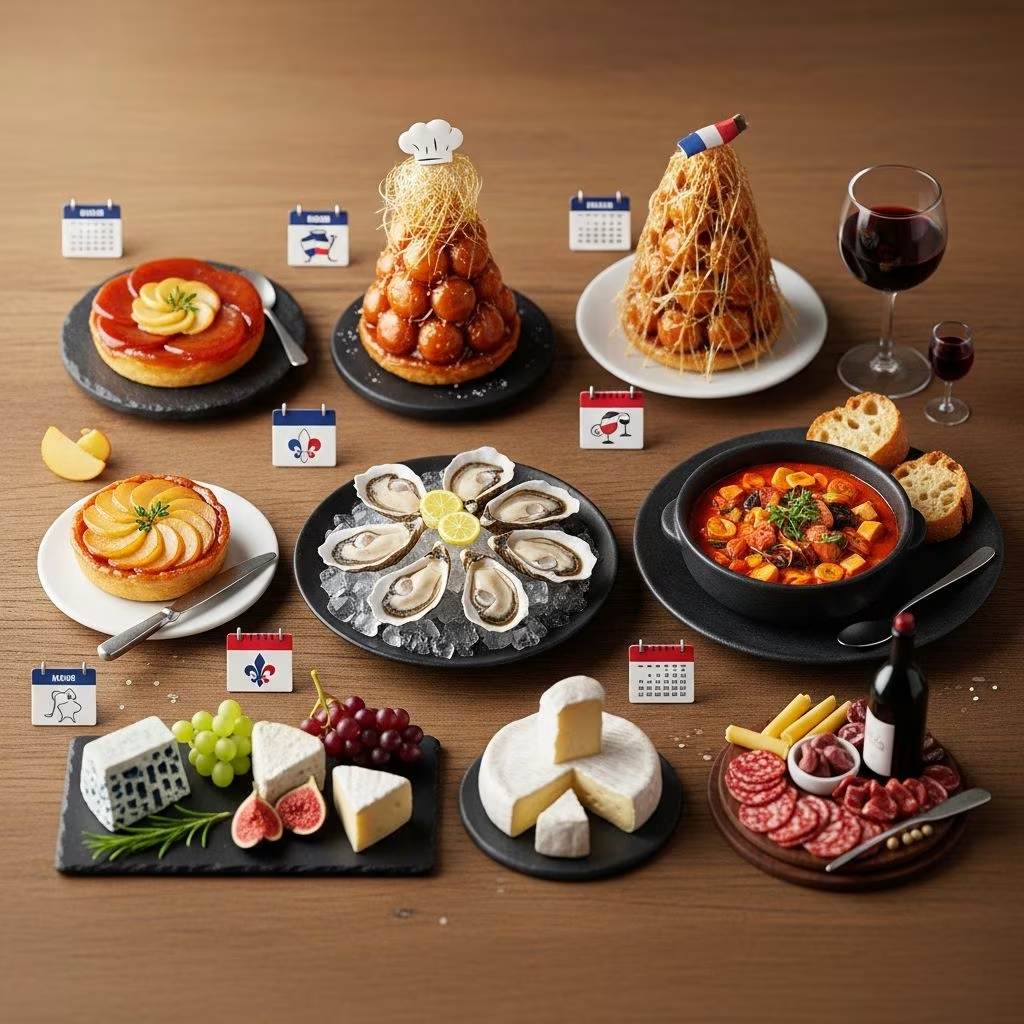
France has long established itself as a destination for food enthusiasts and culinary professionals alike, offering year-round celebrations that showcase the nation’s remarkable gastronomic heritage. The country’s approach to food extends far beyond restaurant dining, encompassing vibrant festivals that bring together producers, chefs, and passionate food lovers in settings ranging from grand Parisian venues to charming provincial towns. These events serve as platforms for celebrating both time-honored traditions and contemporary culinary innovation.
Spring and Early Summer: The Season of Excellence
The warmer months usher in some of France’s most prestigious culinary gatherings. The period from late spring through early summer represents a particularly active window for gastronomic events, with venues across the country preparing elaborate celebrations that highlight the finest seasonal ingredients.
Flagship Urban Celebrations
Taste of Paris stands as one of the capital’s most significant culinary events, transforming the Grand Palais into an epicenter of French gastronomy. This four-day festival, occurring from May 21-24, assembles renowned Michelin-starred chefs alongside emerging culinary talents under one prestigious roof. The event distinguishes itself through its focus on allowing visitors to witness live preparations of signature dishes, creating an interactive experience that bridges the gap between professional kitchens and diners. Beyond tastings, attendees can explore artisanal producers’ markets featuring exceptional cheeses, cured meats, and specialty products. The festival democratizes fine dining by offering both fee-based tasting sessions and complimentary cooking demonstrations conducted by celebrated chefs.
Regional Street Food Movements
Complementing upscale urban events, Lyon Street Food Festival represents the contemporary evolution of French food culture. Taking place June 10-14 in the La Mulatière area surrounding Lyon, this festival celebrates the growing street food movement that emphasizes accessible, innovative cuisine prepared with quality ingredients. The event features pop-up dining concepts, food truck collaborations, and chef-led cooking competitions alongside culinary demonstrations by Michelin-decorated professionals. This positioning reflects how French cuisine has expanded to encompass informal dining formats while maintaining commitment to quality and creativity.
Summer: Regional Specialties and Local Celebrations
Summer months feature an extensive calendar of festivals dedicated to specific regional products and culinary traditions. These celebrations typically occur in smaller communities and reflect France’s strong connection between geography, agriculture, and cuisine.
Specialty-Focused Festivals
- Gourin Crêpe Festival (July 25-26, Brittany) — Entering its 28th year, this event in the Breton town of Gourin celebrates the region’s buckwheat pancake tradition through both public consumption and competitive cooking. The highlight includes attempts to create record-breaking enormous crêpes, combining spectacle with culinary tradition.
- Lautrec Pink Garlic Festival (Tarn region) — Dedicated to the distinctive rose-colored garlic variety native to this area, the festival honors both agricultural heritage and the ingredient’s role in regional cooking traditions.
- Saint-Gilles-Croix-de-Vie Sardine Festival (Vendée) — This coastal celebration emphasizes the relationship between maritime communities and their traditional protein sources, featuring preparations of fresh sardines in both classic and innovative preparations.
Agrarian Heritage Events
Summer festivals across France’s regions emphasize agricultural products integral to local identity. Salt harvesting traditions in Saint-Pierre-d’Oléron, asparagus cultivation in the Landes region, and strawberry harvests in Plougastel-Daoulas each receive dedicated celebrations that educate visitors about production methods while providing opportunities to taste products at peak freshness. These events maintain cultural continuity by involving family-operated farms and traditional producers who maintain production methods refined over generations.
Autumn: Harvest Celebrations and Premium Ingredients
The transition to cooler months brings festivals celebrating autumn’s most prized ingredients and the harvest season’s abundance. September and October witness particularly concentrated festival activity across multiple regions.
International Culinary Convergence
The Village International de la Gastronomie, held September 10-13 near the Eiffel Tower on Quai Jacques Chirac, positions itself as a global culinary marketplace. This four-day event assembles French products alongside cuisines representing more than 60 countries, creating a cosmopolitan food experience within Paris’s iconic setting. Beyond tastings, the festival incorporates cooking demonstrations, cultural performances, international workshops, and live musical entertainment, positioning food as a universal language connecting diverse communities.
Rice and Regional Identity
The Arles Rice Festival (Féria du Riz), occurring September 11-13, demonstrates how festivals serve as cultural crossroads. The Roman city adopts distinctly Spanish character through bullfighting competitions, running of the bulls through historic streets, and preparation of enormous seafood paella pans celebrating the region’s distinctive red Camargue rice variety. This blending of Spanish and French cultural elements reflects historical trade relationships and shared Mediterranean food traditions.
Autumn Product Celebrations
Additional autumn festivals highlight ingredients critical to French culinary identity:
- Richerenches Truffle Mass (Vaucluse) — Featuring the region’s most prestigious and expensive fungal ingredient, celebrated through traditional market gatherings
- Le Bugge Walnut Festival (Dordogne) — Honoring the nut’s role in traditional cooking and contemporary culinary applications
- Romans-sur-Isère Ravioli Festival (Drôme) — Celebrating the region’s distinctive pasta tradition through cooking demonstrations and tastings
- Ardèche Chestnut Festival (Les Castagnades) — Marking the autumn harvest of this historic protein source
Late Autumn: Modern Culinary Innovation
As summer street food festivals transition to indoor venues, October brings the Lille Street Food Festival (October 1-4), maintaining the contemporary food movement while shifting to autumn settings. The festival gathers passionate chefs, innovative food truck operators, local brewers, and mixologists showcasing the Hauts-de-France region’s culinary creativity. This positioning reflects how street food culture has become institutionalized within France’s broader gastronomic calendar rather than remaining purely informal.
Coastal and Specialty Markets
France’s Atlantic and Channel coasts feature festivals celebrating marine resources and fishing traditions:
Shell and Fishing Heritage
The Honfleur Shell and Fishing Festival (October 10-11), historically known as the Shrimp Festival, reflects changing marine ecosystems and evolving culinary focus. Originally centered on shrimp-peeling competitions drawing thousands of visitors to Normandy’s historic port, the festival has expanded its scope to encompass broader fishing traditions due to declining shrimp populations. This adaptation demonstrates how traditional food festivals respond to environmental and economic changes while maintaining cultural significance.
Saint-Maur Food Trucks Festival
Taking place in September in Saint-Maur-des-Fossés near Paris, this festival assembles approximately fifty gourmet food trucks featuring fresh ingredients and homemade preparations. Operating over three days in the town’s central square, the event captures the growing French embrace of casual dining formats that prioritize ingredient quality and preparation craftsmanship.
Winter and Specialized Events
The year’s conclusion features specialized gastronomic gatherings. The Saveurs des Plaisirs Gourmands exhibition (December 5-8 at Espace Champerret) offers comprehensive showcases of French regional specialties, from marinated olives and aged cheeses to Label Rouge vegetables, candied fruits, and artisanal truffles. The exhibition concludes with Saveurs Trophies recognizing exceptional regional products demonstrating authentic quality standards.
Professional and Innovative Culinary Platforms
Beyond consumer-oriented celebrations, France maintains specialized festivals targeting culinary professionals and innovation-focused audiences. The Sirha Omnivore Festival evolved significantly, moving from its traditional September format at Paris’s Parc Floral to January integration with Sirha Bake & Snack at Paris Porte de Versailles. This format evolution signals updated focus on merging avant-garde culinary experimentation with broader professional networking and consumer engagement. The festival’s programming emphasizes chef demonstrations, tastings, industry discussions, and cross-disciplinary food culture content.
Planning Your Festival Experience
Festival Selection Considerations
| Festival Type | Best For | Typical Duration | Geographic Focus |
|---|---|---|---|
| Michelin-starred events | Fine dining enthusiasts | 3-4 days | Urban centers (Paris, Lyon) |
| Street food festivals | Contemporary casual dining | 3-4 days | Major cities and towns |
| Regional product celebrations | Agricultural heritage appreciation | 1-3 days | Small rural communities |
| Specialized ingredient markets | Gourmet product sourcing | 2-4 days | Distributed across regions |
Timing and Regional Distribution
France’s festival calendar distributes celebrations throughout the year, with spring and summer emphasizing fresh seasonal ingredients, autumn focusing on harvest celebrations, and winter featuring preserved products and regional specialties. This distribution reflects both agricultural production cycles and France’s commitment to celebrating seasonal eating traditions. Visitors planning extended culinary tourism can coordinate multiple regional festivals with accessibility by considering proximity and timing within individual trips.
The Cultural Significance of French Food Festivals
France’s extensive festival calendar represents more than commercial celebration or tourist attraction. These events function as cultural institutions maintaining connection between contemporary society and historical food traditions, between urban dining trends and rural agricultural heritage, and between professional culinary innovation and public food appreciation. By featuring both Michelin-starred chefs and street food entrepreneurs, by celebrating both ancient recipes and contemporary techniques, French festivals affirm that gastronomy encompasses both elite refinement and democratic accessibility.
The festivals reflect France’s evolving relationship with food—maintaining reverence for classical traditions while embracing contemporary formats like food trucks and pop-up dining. They serve as educational platforms where producers connect directly with consumers, where chefs demonstrate techniques and share knowledge, and where cultural exchange occurs through shared culinary experience.
Practical Visitor Information
- Major urban festivals typically require advance ticket purchases for premium tastings, though exhibitions and demonstrations often remain free or low-cost
- Regional festivals in smaller communities generally feature lower admission costs or free public access with optional paid tastings
- Booking accommodation near festival locations months in advance is recommended, particularly for spring and autumn events in popular destinations
- Many festivals offer workshop registration in advance; enrollment for prominent chef demonstrations frequently fills weeks before events
- Transportation to rural festival locations may require rental vehicles, as some smaller communities lack extensive public transit infrastructure
Emerging Trends in French Culinary Celebrations
Contemporary French food festivals increasingly emphasize sustainability, inclusivity, and cultural exchange. Events incorporate workshops addressing sustainable sourcing, highlight indigenous and underrepresented culinary traditions, and provide platforms for emerging chefs from diverse backgrounds. The integration of street food culture within mainstream festival programming reflects broader acceptance of casual dining formats without compromising quality standards. International representation, evidenced by the Village International de la Gastronomie’s 60-country participation, demonstrates France’s positioning as a culinary crossroads rather than an isolated culinary authority.
References
- France’s Top Culinary and Gastronomic Events — France.fr. 2026. https://www.france.fr/en/article/top-french-food-events/
- Top 25 Food Festivals in Europe in 2026 — NeverStopTraveling. 2026. https://www.neverstoptraveling.com/food-festivals-europe
- Discover the Top French Food Festivals in Paris Region — Visit Paris Region. 2026. https://www.visitparisregion.com/en/inspiration/top-experiences/french-food-festivals
- Taste of Paris 2026: The Gastronomic Festival at the Grand Palais — Paris Je t’aime. 2026. https://parisjetaime.com/eng/event/taste-of-paris-e108
- Unique Food Festivals in France by Season — OffbeatFrance. 2026. https://www.offbeatfrance.com/unique-food-festivals-in-france.html
- France Food and Drink Festivals 2026: Full Calendar of Events by Month — Taste of France Magazine. 2026. https://tasteoffrancemag.com/drink/france-food-and-drink-festivals-2026-full-calendar-of-events-by-month/
On This Page
Spring and Early Summer: The Season of Excellence Summer: Regional Specialties and Local Celebrations Autumn: Harvest Celebrations and Premium Ingredients Late Autumn: Modern Culinary Innovation Coastal and Specialty Markets Winter and Specialized Events Professional and Innovative Culinary Platforms Planning Your Festival Experience The Cultural Significance of French Food Festivals Practical Visitor Information Emerging Trends in French Culinary Celebrations← Previous
Algarve Itinerary Guide: 3, 5 & 7-Day Trip Ideas
Next →
Getting Around Bend, Oregon: Transportation Guide
Related Reading
More in Food & Culture
Food & Culture Food & Culture
 Food & Culture
Best Places to Eat in Rome: Neighborhood Dining Guide
 Food & Culture
 Food & Culture