


 Food & Culture
Food & Culture
Top Food Trade Shows and Festivals to Watch in 2026
Explore major food exhibitions and festivals worldwide in 2026, from Dubai to Tokyo, featuring networking opportunities and industry insights.
 Food & Culture
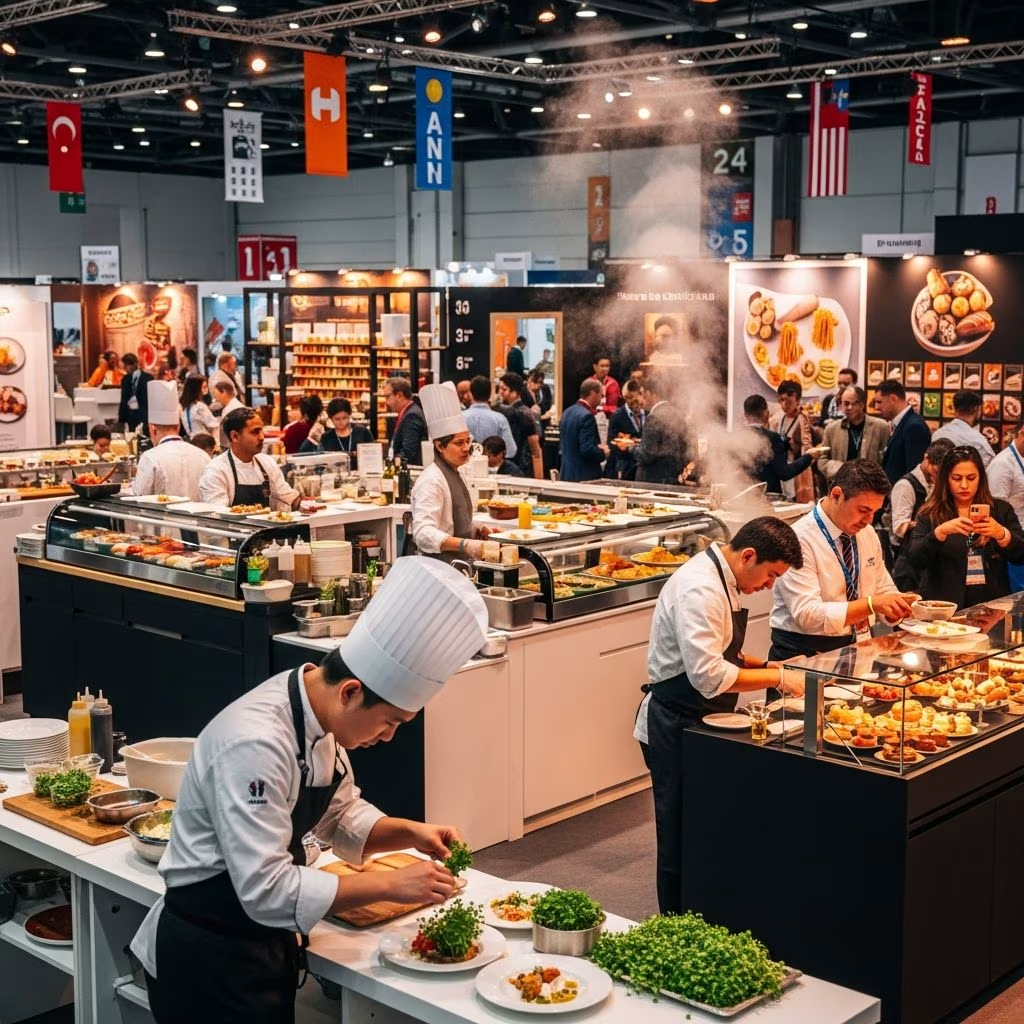
The food and beverage industry thrives on connection, innovation, and the exchange of ideas. Throughout 2026, major cities across the globe will host significant gatherings where industry professionals, producers, distributors, and food enthusiasts converge to showcase products, establish partnerships, and explore emerging trends. These events range from massive international trade shows attracting hundreds of thousands of visitors to specialized festivals celebrating regional cuisines and artisanal products.
Understanding the International Food Trade Show Landscape
Food exhibitions serve multiple critical functions within the industry ecosystem. They provide platforms for manufacturers to display innovations, enable distributors to source new products, facilitate direct connections between suppliers and retailers, and offer culinary professionals opportunities to stay informed about market developments. The scale and scope of these events have expanded dramatically, with leading exhibitions now drawing attendees from over 100 countries and featuring thousands of exhibitors representing diverse food categories and beverage segments.
The strategic timing and location of food trade shows reflect global market dynamics and regional economic importance. Exhibitions positioned in major commercial hubs attract premium buyer participation and command significant vendor investment. International events typically operate on a calendar that accommodates multiple regional markets, ensuring exhibitors can participate in key shows throughout the year without excessive travel burdens.
Flagship Events Driving the Industry
Several exhibitions have established themselves as essential gatherings that set industry standards and influence global food commerce patterns.
Middle Eastern Hub: Dubai’s Premier Gathering
The largest food and beverage trade show operates in Dubai, attracting over 100,000 visitors and more than 5,500 exhibitors from worldwide networks. Held at Dubai World Trade Centre and Dubai Exhibition Centre from January 26-30, 2026, this event represents the scale and international reach that modern food exhibitions can achieve. The show encompasses comprehensive product categories spanning fresh produce, frozen foods, beverages, specialty ingredients, and processed food items. The concentration of international buyers and global exhibitors makes this event particularly valuable for companies seeking to establish or expand Middle Eastern and African market presence.
Asian Market Access: Tokyo’s Professional Forum
Japan hosts a significant annual exhibition from March 10-13, 2026, at Tokyo Big Sight, drawing approximately 85,000 visitors and exhibitors from 60+ countries. This event specializes in products targeting Asian markets, particularly spices, rice, ready-to-eat meals, and value-added food products. The Tokyo exhibition serves as a critical gateway for producers seeking to penetrate the Japanese market and expand into wider Asian distribution networks. The professional buyer composition and concentrated focus on Asian-oriented products make this venue essential for exporters with regional aspirations.
European Platform: Barcelona’s Comprehensive Marketplace
Barcelona hosts a major exhibition from March 23-26, 2026, at Fira de Barcelona, attracting over 100,000 professional visitors. This event connects exporters directly with major European Union buyers, food processors, FMCG brands, and hospitality companies. The Barcelona platform represents one of Europe’s most important gathering points for food industry professionals, facilitating relationships that influence supply chains across the continent.
Diverse Exhibition Categories and Specializations
Beyond the largest international events, the 2026 calendar includes exhibitions targeting specific product categories, geographic regions, and professional interests.
Specialized Food Sectors
- Organic and Natural Products: Premium events dedicated to organic, wellness, and natural food categories attract producers and distributors focused on health-conscious consumer segments and premium positioning strategies.
- Coffee and Specialty Beverages: Dedicated exhibitions for coffee professionals and specialty beverage enthusiasts create focused networking environments for this dynamic sector.
- Gourmet and Artisanal Foods: High-end food trade fairs showcase premium products, rare ingredients, and specialty offerings targeting sophisticated consumer markets.
Regional African and Global Coverage
Africa’s food industry receives attention through dedicated exhibitions serving the continent’s growing market. The 11th edition of Africa’s largest food and beverage trade exhibition in 2026 represents the region’s development as a significant trading hub. Additionally, exhibitions in locations like Moscow connect Eastern European markets with international suppliers, while events in Poland focus on organic and natural food producers serving Central European demand.
Calendar of Major Events Throughout 2026
| Event Name | Location | Dates | Focus Area |
|---|---|---|---|
| Dubai Food and Beverage Expo | Dubai, UAE | January 26-30 | Global F&B trade, all categories |
| Tokyo Food Exhibition | Tokyo, Japan | March 10-13 | Asian markets, specialty foods |
| Barcelona Food Fair | Barcelona, Spain | March 23-26 | European buyers, processors |
| Tuttofood Milan | Milan, Italy | May 11-14 | International food professionals |
| InterFood Azerbaijan | Baku, Azerbaijan | May 5-8 | Regional food trade |
| World of Coffee USA | San Diego, CA | April 10-13 | Coffee specialty professionals |
| WorldFood Expo | Moscow, Russia | September 15-18 | 20,000 attendees, 1,100+ exhibitors |
Festival Culture and Consumer-Focused Events
Beyond professional trade shows, food festivals celebrate culinary traditions, regional specialties, and gastronomic innovation. These events differ fundamentally from trade exhibitions, emphasizing direct consumer engagement, culinary experiences, and cultural celebration alongside networking opportunities.
Pebble Beach Food & Wine, returning for its 15th year from April 9-12, 2026, exemplifies the premium festival segment. Held across multiple Pebble Beach Resorts locations in California, this event gathers world-class chefs, winemakers, and culinary icons to deliver rare tastings, immersive experiences, and coastal entertainment. Such festivals attract affluent consumers seeking exclusive culinary experiences and serve as marquee events for premium food and wine brands.
Regional festivals celebrating specific cuisines, ingredients, or culinary traditions provide additional venues for cultural exchange and product promotion. These events range from intimate regional gatherings to internationally recognized celebrations attracting significant tourist traffic and media attention.
Industry Networking and Business Development
The primary value of food exhibitions extends beyond product display to include structured networking opportunities. Most major trade shows incorporate curated B2B session programming, product demonstrations, and buyer-seller matching services that facilitate meaningful business connections. Exhibitors benefit from concentrated access to qualified buyers, while attendees gain efficient exposure to industry innovations and potential suppliers.
The international composition of attendees at major exhibitions creates opportunities for companies to establish relationships across multiple geographic markets simultaneously. This efficiency makes trade show participation particularly valuable for producers planning market expansion, distributors seeking new product categories, and retailers evaluating emerging trends and supplier capabilities.
Emerging Trends Showcased at Major Events
Food exhibitions serve as barometers for industry direction, showcasing innovations and trend adoption across the sector. Current exhibition highlights include increasing focus on sustainability practices, growing organic and natural product categories, premium and specialty food expansion, plant-based and alternative protein options, functional foods addressing health and wellness, and transparency initiatives throughout supply chains.
Exhibitors increasingly emphasize product provenance, production methods, and health attributes, reflecting evolving consumer preferences for informed purchasing decisions. Technology integration, including blockchain for supply chain verification and mobile platforms for buyer engagement, represents another trend visible across major exhibitions.
Planning Participation in Food Exhibitions
For companies considering exhibition participation, strategic planning involves evaluating target markets, assessing appropriate event scale and focus, calculating investment requirements against potential returns, and coordinating logistics for product transportation and booth staffing. Successful participation typically requires advance booking to secure optimal booth positioning, development of compelling visual presentations and product sampling strategies, and trained staff capable of engaging professional buyers effectively.
Attendance at exhibitions requires similar planning, including identifying priority events aligned with business objectives, registering in advance to maximize networking scheduling, and preparing materials to facilitate meaningful conversations with prospective partners or suppliers.
Frequently Asked Questions
What distinguishes trade shows from consumer food festivals?
Trade shows primarily serve industry professionals including manufacturers, distributors, retailers, and food service operators, focusing on B2B relationships and business transactions. Consumer festivals emphasize public participation, culinary experiences, and direct producer-to-consumer engagement, though some events incorporate elements of both formats.
How should companies decide which exhibitions to attend?
Companies should evaluate exhibitions based on target market alignment, attendee quality and quantity, product category focus, geographic coverage, participation costs, and strategic business objectives. Consulting industry associations and trade publications provides valuable guidance on event selection.
What is the typical ROI timeline for exhibition participation?
Business development from exhibition participation varies considerably based on product type, buyer base, and follow-up effectiveness. While some transactions occur immediately, relationship development often extends over months. Companies should establish clear metrics and follow-up processes to maximize returns on exhibition investment.
Are smaller regional exhibitions valuable compared to international megaevents?
Both formats serve different purposes. Regional events may offer more concentrated buyer engagement and lower participation costs, while international exhibitions provide broader market exposure and access to geographically diverse buyers. Strategic participation often includes both types based on business development priorities.
How has technology impacted modern food exhibitions?
Digital platforms now enable pre-show networking, virtual attendance options, and digital buyer-seller matching. Mobile applications facilitate real-time scheduling and exhibitor information access. Virtual components have expanded exhibition reach while maintaining core in-person networking value.
Conclusion: The Essential Role of Food Exhibitions
Food exhibitions and festivals represent vital infrastructure supporting global food commerce, professional development, and cultural exchange. The comprehensive calendar of events throughout 2026 offers multiple pathways for industry participants to achieve business objectives, discover innovations, establish partnerships, and maintain competitive awareness. Whether through massive international trade shows attracting hundreds of thousands or specialized exhibitions serving specific product categories and geographic regions, these gatherings continue to drive industry momentum and commercial success.
References
- Top Global Food and Beverage Trade Shows 2026 — Tradologie.com. 2026. https://www.tradologie.com/blogs/top-global-food-beverage-trade-shows-in-early-to-late-2026-dates-countries-and-complete-event-guide/
- Food Processing Industries Trade shows 2026 – 2027 — EventsEye. 2026. https://www.eventseye.com/fairs/st1_trade-shows_food-processing-industries_1.html
- A Passport for Your Palate: Food Festivals Worth Traveling for in 2026 — ALHI. 2026. https://www.alhi.com/blog/post/a-passport-for-your-palate-food-festivals-worth-traveling-for-in-2026/
- Food Africa 2026 — Food Africa Expo. 2026. http://www.foodafrica-expo.com
On This Page
Understanding the International Food Trade Show Landscape Flagship Events Driving the Industry Diverse Exhibition Categories and Specializations Calendar of Major Events Throughout 2026 Festival Culture and Consumer-Focused Events Industry Networking and Business Development Emerging Trends Showcased at Major Events Planning Participation in Food Exhibitions Frequently Asked Questions Conclusion: The Essential Role of Food Exhibitions← Previous
Top Global Sporting Events to Travel For
Next →
Best Destin Beach Resorts for Families and Couples
Related Reading
More in Food & Culture
Food & Culture Food & Culture
 Food & Culture
Best Places to Eat in Rome: Neighborhood Dining Guide
 Food & Culture
 Food & Culture