

 Travel Essentials
 Travel Essentials

Comprehensive guide to water-based activities in St. Vincent and the Grenadines, featuring sailing, diving, and wildlife encounters across 32 stunning islands.
 Travel Essentials
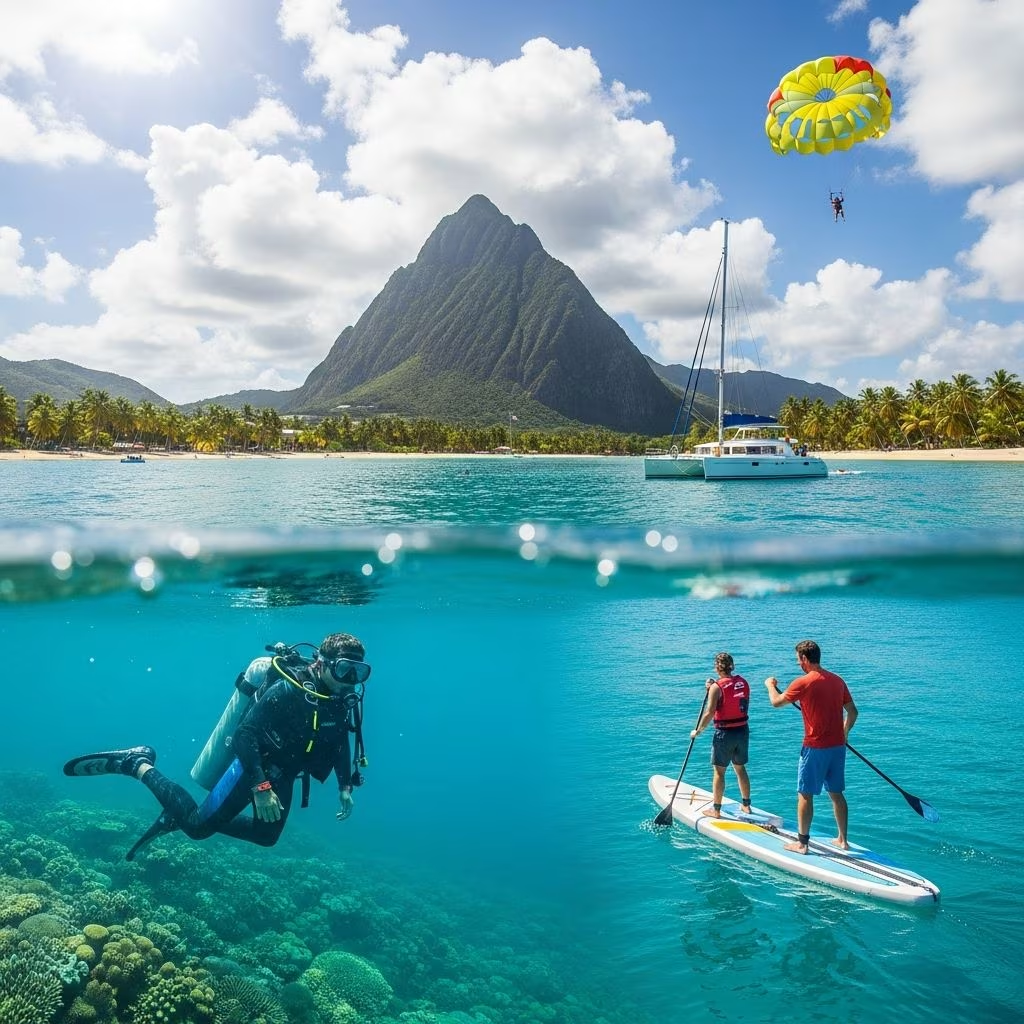
The Caribbean archipelago of St. Vincent and the Grenadines represents one of the world’s premier destinations for maritime exploration and water-based recreation. Visitors who limit their experience to land-based activities miss extraordinary opportunities to engage with the region’s most captivating features. The crystalline waters, abundant marine ecosystems, and diverse nautical options create an environment where travelers can customize their aquatic adventures according to skill level, interests, and schedule.
The Grenadines comprise a collection of 32 islands and islets scattered across the Caribbean Sea between St. Vincent and Grenada. This island chain has gained international recognition among sailing communities as one of the planet’s most desirable maritime destinations. The geography of these islands creates natural harbors, protected anchorages, and varied seascapes that appeal to both experienced mariners and novice water enthusiasts.
The primary departure point for most maritime adventures originates from Blue Lagoon Marina located on St. Vincent’s southern coast. From this central hub, visitors can access the major islands including Bequia, Mustique, Canouan, Mayreau, and the Tobago Cays as they venture southward. The accessibility and variety of these destinations make the Grenadines an exceptionally well-suited location for multi-day water-based expeditions.
Sailing represents the cornerstone experience for many travelers visiting the region. The optimal period for sailing excursions extends from December through April, when meteorological conditions produce clearest skies and most tranquil seas. During this peak season, visitors encounter the most favorable wind patterns and water conditions for various sailing activities.
Several charter companies operate from the region’s primary marinas, offering vessels tailored to different preferences and experience levels. Charter options encompass monohulls and catamarans available on either bareboat or crewed arrangements. These configurations permit travelers to select between independent sailing experiences and professionally guided expeditions. Extended charters accommodate both brief multi-day voyages and comprehensive week-long journeys through the archipelago.
First-time visitors often benefit from structured itineraries that highlight the region’s most prominent attractions. A typical seven-day sailing route commences at St. Vincent, progressing through Bequia with an overnight mooring at Admiralty Bay. Subsequent days incorporate stops at Mustique, Canouan with diversions to Mayreau, and extended time at the Tobago Cays before returning to the origin point. This circuit encompasses approximately fifty nautical miles and remains achievable for sailors possessing moderate experience.
Extended two-week expeditions allow deeper exploration of lesser-visited islands. Such journeys incorporate additional destinations including Union Island, Palm Island, and Petit St. Vincent, creating a more comprehensive understanding of the archipelago’s diversity. The extended timeline permits leisurely exploration of each destination and accommodates varying weather patterns or personal interests.
The marine environment beneath the Grenadines’ surface rivals terrestrial landscapes in beauty and complexity. The underwater terrain functions as a natural aquarium, presenting divers and snorkelers with extraordinary biodiversity and geological formations. The region’s waters support approximately thirty easily accessible diving locations, with designated marine protection areas offering particularly concentrated biological richness.
The Bequia marine park, occupying seven miles along the island’s leeward coastline, exemplifies the region’s diving infrastructure. This protected area encompasses diverse underwater features including:
Professional dive operations base themselves throughout the archipelago, providing instruction, certification programs, certification validation, and equipment rental. These establishments typically conduct multiple daily expeditions to maintain accessibility across varying skill levels and scheduling preferences.
The diving industry in St. Vincent and the Grenadines accommodates diverse age groups and experience levels. Certification programs accept divers as young as eight years old, though snorkeling welcomes participants of all ages. This inclusive approach permits family units with varying water confidence levels to participate in complementary activities within the same expedition.
The waters surrounding St. Vincent and the Grenadines support rich populations of marine megafauna, creating exceptional wildlife observation opportunities. Multiple cetacean species inhabit the region year-round, with distinct seasonal variations in species composition and sighting frequency.
Pilot whales and several dolphin species maintain permanent or semi-permanent populations throughout the Grenadines. These smaller cetaceans frequently appear along St. Vincent’s leeward coast, with the Leeward Coast identified as a particularly productive observation area. Additionally, hammerhead sharks have been documented near Sail Rock, which protrudes from the waters adjacent to the Tobago Cays.
The region experiences significant cetacean migration patterns that concentrate certain species during specific months. Sperm whales and humpback whales undertake seasonal journeys that bring them to Grenadines waters primarily between October and January. This seasonal presence creates windows of opportunity for observers seeking encounters with these impressive marine mammals.
Specialized whale and dolphin-watching expeditions operate throughout the year, with December through April identified as the premium period for marine mammal sightings. These dedicated observation tours employ experienced naturalists familiar with whale behavior, communication patterns, and conservation considerations.
Visitors preferring structured experiences without personal yacht operation can select from numerous professionally guided cruise options. These excursions combine transportation, meals, recreational activities, and expert guidance into comprehensive packages suitable for diverse traveler preferences.
The Friendship Rose, a hundred-foot traditional schooner based in Bequia, operates daily excursions to prominent island destinations. These daylong cruises typically feature snorkeling opportunities and swimming with sea turtles at the Tobago Cays or recreational beach time at Mustique. Included provisions encompass breakfast, lunch, afternoon refreshments, and complimentary beverages throughout the journey.
The Yannis catamaran operates from Palm Island Resort with convenient passenger pickup points at nearby Union Island. Full-day itineraries combine sailing, swimming, and snorkeling activities at the Tobago Cays and Mayreau’s Salt Whistle Bay Beach. These expeditions include comprehensive amenities such as buffet lunch, beverages, and snorkeling equipment rental, streamlining participation for guests seeking hassle-free experiences.
Ferry service connects St. Vincent with Bequia on a frequent schedule throughout daytime and evening hours. The standard crossing requires approximately one hour, with fares established at approximately ten dollars per journey or seventeen dollars for round-trip passage. This accessibility permits flexible day-trip planning and extended exploration of individual islands.
Sustainable maritime practices preserve the ecological and cultural integrity of the archipelago. Visitors should refrain from pursuing marine animals, particularly sea turtles, which merit protection and undisturbed observation. Local customs and environmental regulations warrant respectful adherence to ensure the longevity of these remarkable resources for future visitors.
Meteorological patterns significantly influence the quality and safety of maritime activities. The December-to-April window represents the most favorable period for all water-based pursuits, characterized by stable weather, minimal rainfall, and optimal sea conditions. This extended season accommodates most travel schedules while maintaining excellent activity conditions.
During shoulder seasons and the Caribbean storm season (June through November), maritime conditions become less predictable. Operators maintain safety protocols and may modify or reschedule activities based on weather forecasts. Travelers planning visits during off-peak periods should maintain flexibility regarding specific activity timing.
| Activity Type | Skill Level Required | Duration | Best Season | Primary Locations |
|---|---|---|---|---|
| Sailing Charter | Varies (bareboat to crewed) | 3-14 days | December-April | Blue Lagoon Marina |
| Scuba Diving | Certification required | 2-4 hours | Year-round | Bequia Marine Park |
| Snorkeling | None | 2-6 hours | Year-round | Tobago Cays, Mayreau |
| Whale Watching | None | 4-8 hours | December-April (best) | Leeward Coast |
| Guided Cruises | None | 6-8 hours | Year-round | Bequia, Mustique |
The period from December through April provides the most favorable conditions for all water-based activities, featuring calm seas, clear skies, and stable weather patterns. This season represents peak tourism season in the Caribbean, with correspondingly higher prices and greater demand for charter vessels and guided excursions. Visitors with flexibility may find good conditions during shoulder months with reduced crowding and pricing advantages.
Bareboat charters require demonstrated sailing competency, typically verified through certification or logbook documentation. Crewed charter arrangements eliminate this requirement, as professional captains manage navigation and vessel operation while guests enjoy recreational participation. First-time visitors consistently prefer crewed options for their security, convenience, and educational benefits.
Open water diving certification remains the standard requirement for independent diving participation. Dive operators offer certification courses for interested beginners, though completion requires multiple training dives over several days. Snorkeling accommodates all ages and experience levels without formal certification, making it accessible to younger family members or individuals with aquatic anxiety.
Most professionally operated cruise excursions provide comprehensive meal packages including breakfast, lunch, and refreshments throughout the day. Beverage provisions typically encompass both alcoholic and non-alcoholic options. Visitors should clarify specific inclusions when booking, as some operators may charge supplementary fees for premium beverages or specialized dietary accommodations.
Maritime activities present variable accessibility challenges depending on specific physical limitations and vessel design. Most modern chartered yachts and cruise vessels incorporate stairs and uneven surfaces that may pose difficulties. Specialized operators may accommodate specific requirements with advance notice, though prospective visitors with significant mobility concerns should discuss arrangements directly with tour operators before committing to bookings.
The waters of St. Vincent and the Grenadines represent far more than a scenic backdrop—they comprise the primary attraction that distinguishes the archipelago among Caribbean destinations. Whether through independent yacht exploration, professional diving expeditions, or guided cruise excursions, water-based activities unlock the region’s most remarkable features. The combination of favorable climate patterns, protected marine environments, diverse wildlife, and established tourism infrastructure creates conditions where maritime adventures accommodate virtually every interest and capability level. Travelers departing the archipelago without engaging substantially with its aquatic environment forfeit experiences that define the islands’ essential character and beauty.
