

 Travel Essentials
 Travel Essentials

Explore Egypt's premier protected areas: marine paradises, surreal deserts, mountain sanctuaries, and fossil sites offering adventure and biodiversity.
 Travel Essentials
Egypt, renowned for its pyramids and Nile River, also safeguards extraordinary natural landscapes within its national parks and protectorates. These protected areas span coral-rich seas, vast deserts, rugged mountains, and fossil-filled valleys, offering visitors unparalleled opportunities to witness biodiversity, geological marvels, and cultural heritage. From the underwater spectacles of the Red Sea to the otherworldly rock formations of the Western Desert, Egypt’s parks provide diverse experiences for hikers, divers, birdwatchers, and photographers. This guide highlights the standout destinations, detailing their unique features, activities, and practical tips for exploration.
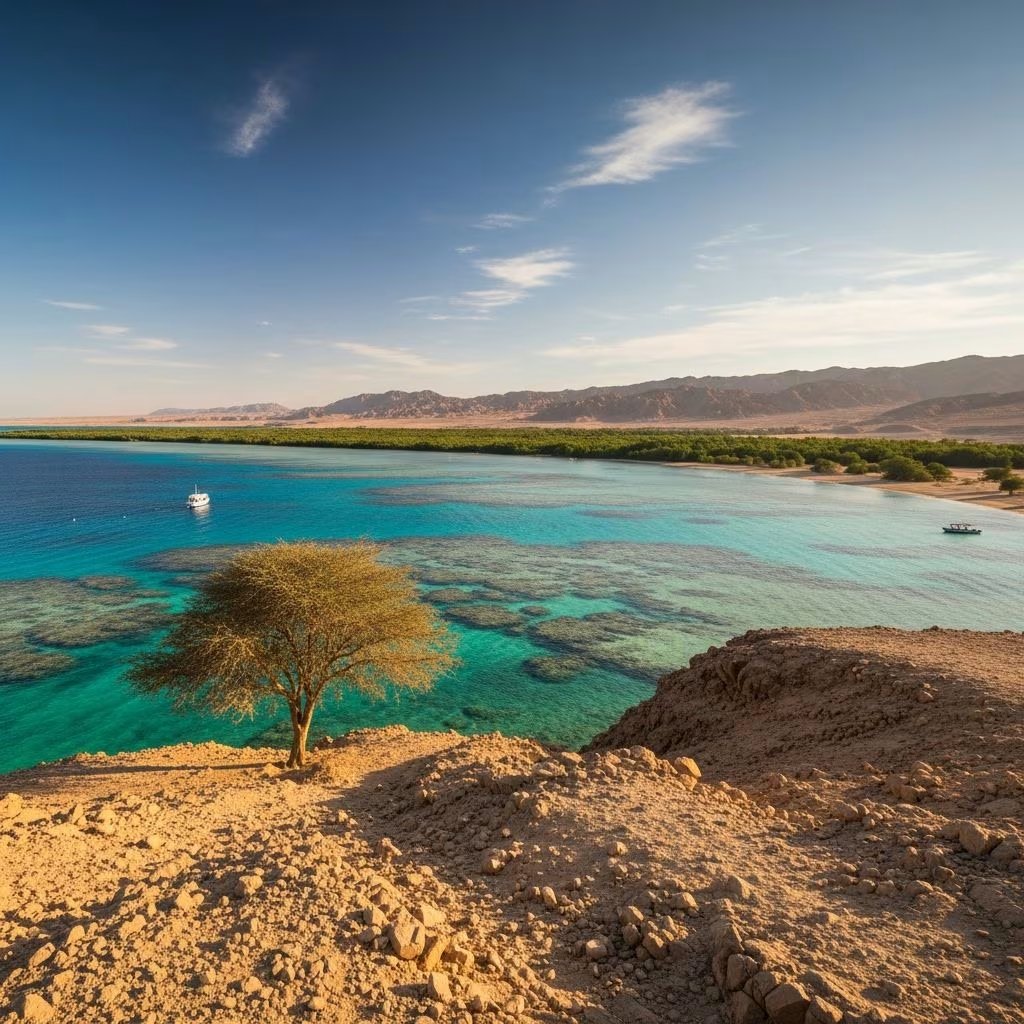
Perched at the southern tip of the Sinai Peninsula near Sharm El Sheikh, Ras Mohammed National Park stands as Egypt’s flagship protected area, established in 1983. Covering both land and sea, it encompasses 480 square kilometers of pristine coral reefs, mangrove channels, saltwater lakes, and dramatic cliffs. This park is a diver’s dream, boasting over 220 coral species and 1,000 fish varieties, including sharks, rays, and colorful reef dwellers. Shipwrecks dot the seabed, adding historical intrigue to the vibrant marine life.
Visitors can snorkel at iconic sites like Shark Observatory or Jackfish Alley, where currents deliver nutrient-rich waters teeming with pelagics. On land, trails lead through desert plains to viewpoints overlooking the Gulf of Suez and Aqaba. Birdwatchers spot ospreys and white storks, while Nubian ibex roam the rocky terrain. Entry fees are around 5 USD for foreigners, with guided boat trips essential for accessing prime reefs. Best visited from April to October for optimal visibility, but note seasonal closures to protect nesting turtles.
In the heart of Egypt’s Western Desert, White Desert National Park reveals a fantastical world of chalk rock formations sculpted by wind over millennia. Spanning 3,000 square kilometers near the White Desert Oasis, this UNESCO-recognized site features mushroom rocks, inselbergs, and crystal hills that glow under moonlight. The park’s name derives from its pale limestone bedrock, contrasting with golden sands and black basalt crystals.
Overnight camping is the highlight, with 4×4 safaris from Bahariya Oasis navigating dunes and fossil beds. Spot desert foxes, fennec foxes, and jackals at dusk, alongside Rüppell’s foxes. No facilities exist inside, so join organized tours providing tents, meals, and guides. Winter (October to April) offers milder temperatures for stargazing amid the silence. Combine with nearby Black Desert for a full desert odyssey.
Nestled in South Sinai’s high peaks, St Katherine Protectorate protects Mount Sinai (Jebel Musa), traditionally revered as the site where Moses received the Ten Commandments. Covering 4,350 square kilometers, it includes Gebel Katherina, Egypt’s highest peak at 2,629 meters. Bedouin communities guide hikes through granite wadis, Nubian sandalwood groves, and endemic flora like Acacia ehrenbergiana.
Ascend Mount Sinai via the Steps of Repentance for sunrise views, or trek to St Catherine’s Monastery, a UNESCO site housing ancient manuscripts. The protectorate supports 37 mammal species, including striped hyenas and Egyptian weasels, and over 1,000 plant types. Permits are required for overnight stays; visit year-round, but spring avoids summer heat. Cultural immersion includes Bedouin teas and stories around campfires.
Along the Red Sea coast in Egypt’s Eastern Desert, Wadi El Gemal—’Valley of Camels’—blends wadis, hamada plateaus, and 40 kilometers of coastline. Established in 1992, its 2,250 square kilometers harbor mangroves, salt marshes, and nesting beaches for green and hawksbill turtles. Wildlife includes Nubian ibex, gazelles, and over 215 bird species like ospreys and flamingos.
Activities range from snorkeling coral gardens to camel treks into inland canyons. Hamata village serves as the gateway, with eco-lodges promoting sustainable tourism. The park’s namesake wadi features palm-fringed pools ideal for picnics. Dolphin sightings thrill boaters, while archaeologists explore ancient mining sites. Open year-round; summer requires hydration precautions.
Wadi El Hitan, or ‘Whale Valley,’ in the Fayoum Depression, earned UNESCO World Heritage status in 2005 for its 40-million-year-old whale fossils documenting evolution from land to sea mammals. This 12,000-hectare park reveals Basilosaurus and Dorudon skeletons amid badlands, alongside petrified mangroves and early whale nostrils—key to understanding archaeocete ancestry.
Self-guided trails with interpretive signs educate on paleontology. Spot fox fossils and crocodiles in surrounding lakes. Accessible from Cairo (1.5 hours), entry is 8 USD; open daily 8am-5pm. Ideal for families and science enthusiasts, pair with nearby Wadi El Rayan for waterfalls and hot springs housing diverse reptiles and migratory birds.
On Egypt’s southeastern border with Sudan, Gebel Elba National Park spans 3.56 million hectares of mist-shrouded mountains, wadis, and coastal plains. Named for its 1,437-meter peak, it hosts Egypt’s richest biodiversity: 458 plant species, including doum palms and unique gebel elba heather. Endangered Rüppell’s fox and Blanford’s fox prowl, alongside birds like Sudan golden sparrows.
Access via Berenice requires 4×4 and permits; rewards include misty forests rare in arid Egypt. Limited infrastructure suits adventurous travelers seeking untouched nature. Best in cooler months for hiking plateaus teeming with acacias.
Best Times to Visit: Sinai parks shine March-May and September-November; deserts October-April.
| Park | Entry Fee (USD) | Key Activities | Access |
|---|---|---|---|
| Ras Mohammed | 5-10 | Snorkeling, hiking | Sharm El Sheikh |
| White Desert | 5 | Camping, 4×4 tours | Bahariya Oasis |
| St Katherine | 3-5 | Mountaineering, monastery | Nahma |
| Wadi El Gemal | 3 | Wildlife watching, kayaking | Hamata |
| Wadi El Hitan | 8 | Fossil tours | Fayoum |
Pack sun protection, water, and modest clothing for cultural sites. Eco-guidelines: no littering, stick to paths, support local Bedouins.
Ras Mohammed offers world-class reefs and wrecks accessible from Sharm El Sheikh.
White Desert requires organized safaris; others have basic sites or lodges.
Some like Wadi El Hitan yes; remote ones need guides and 4×4.
Turtles, ibex, foxes, birds across parks; no large predators.
Yes for St Katherine overnights and Gebel Elba; check locally.
