

 Travel Essentials
 Travel Essentials

Explore the best of Bonaire beyond diving: snorkel mangroves, hike rugged parks, spot flamingos at salt flats, and immerse in island culture for a perfect tropical getaway.
 Travel Essentials
Bonaire, a jewel in the Dutch Caribbean, captivates visitors with its unspoiled natural beauty, vibrant marine ecosystems, and laid-back island rhythm. Far from crowded tourist traps, this small island offers endless opportunities for exploration, whether you’re gliding through crystal waters, trekking arid landscapes, or uncovering historical gems. This guide dives into the island’s premier experiences, blending adventure, relaxation, and cultural immersion to help you craft the perfect itinerary.
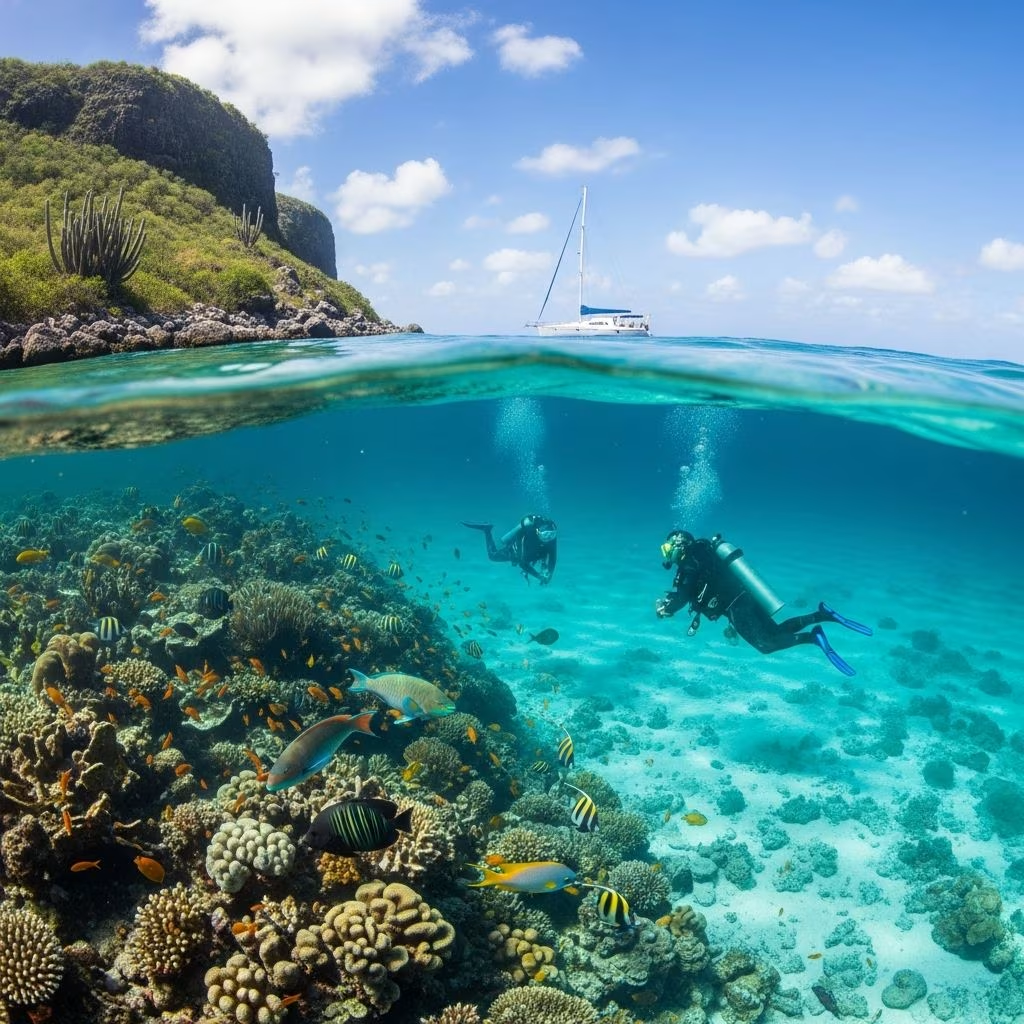
The **Bonaire National Marine Park** stands as the island’s crown jewel, encompassing over 6,700 acres of protected reefs, seagrasses, and mangroves teeming with life. Established in 1979, it safeguards green sea turtles, more than 340 fish species, and diverse coral formations unique to the Caribbean. Snorkelers and divers access over 60 marked sites from the shore, making it ideal for all skill levels. Entry requires a tag, available at dive shops or online, supporting conservation efforts.
Prime spots include the vibrant reefs near Kralendijk, where schools of tropical fish dart among brain corals. For a serene outing, boat to uninhabited **Klein Bonaire**, a snorkeling haven with powdery sands and shallow lagoons. Guided tours ensure safe navigation through currents while highlighting rare queen conch and rays.
Spanning the island’s northwest, **Washington Slagbaai National Park** delivers rugged terrain, secluded coves, and endemic wildlife. Choose between a short green route or an extended yellow path by car, bike, or foot, passing towering kadushi cacti up to 18 meters tall and iconic divi-divi trees bent by trade winds. Hikers encounter blowholes, dramatic cliffs, and flamingo flocks at saline lagoons.
Birdwatchers thrill at spotting lora parrots and endemic species amid desert scrub transitioning to coastal lushness. Pack a picnic for beach stops like Playa Chikitu, where turquoise waves lap white sands. Entrance fees fund preservation, with guided hikes revealing geological wonders formed over millennia.
Kayaking Bonaire’s mangroves offers an intimate encounter with juvenile marine life in the calm waters of Lac Bay. Paddle through tangled roots harboring baby fish, stingrays, and upside-down jellyfish in this biodiversity hotspot. Tours combine kayaking with snorkeling, allowing peeks into hidden nurseries fostering the reef ecosystem.
Unlike sparse global mangroves, Bonaire’s are alive with activity, providing educational insights into coastal protection. Opt for clear-bottom kayaks for underwater views without submersion. Sunset paddles add golden-hour magic, blending tranquility with wildlife spotting.
Bonaire’s southern salt pans create a surreal landscape of pink lagoons and gleaming white pyramids, produced via traditional solar evaporation. Flamingos thrive here, their rosy hues dotting the horizon in protected sanctuaries. Tour the Salt Pier area for snorkeling amid turtles near pier pilings, or join boat excursions revealing production history dating to colonial eras.
Historical slave huts nearby, small colorful structures, evoke the island’s salt trade past. Walk salt-crusted paths at dusk when birds return to roost, capturing ethereal photos. These flats highlight Bonaire’s sustainable heritage.
**Sorobon Beach** beckons windsurfers with steady trades and shallow turquoise bays, suitable for beginners to pros. Jibe City offers rentals and lessons amid divi-divi shade. For relaxation, Te Amo Beach near the airport provides free entry, picnic spots, and easy reef access.
Compare Bonaire’s beaches:
| Beach | Best For | Access | Facilities |
|---|---|---|---|
| Sorobon | Windsurfing, kitesurfing | Paid entry | School, bar, rentals |
| Te Amo | Snorkeling, picnics | Free | Restrooms, shade |
| Pink Beach | Photography, relaxation | Free, hike-in | None |
| Playa Pali | Seclusion, sunsets | Car access | Basic |
Each offers distinct vibes, from action-packed to secluded escapes.
Bonaire’s coral origins shine in its caves, tunnels carved by ancient seas. Guided tours with experts like those from Cave Tours Bonaire delve into millennia of history, spotting stalactites and Amerindian petroglyphs. Onima Cave features salt domes, while Barcadera reveals underground pools.
Combine with Seru Largu hill climbs for panoramic vistas over Kralendijk and Klein Bonaire, topped by a monumental cross. These elevations provide context to the island’s flat profile.
The **Donkey Sanctuary** rescues feral donkeys thriving amid cacti-filled wilds. Feed and pet these gentle creatures, learning their story from Spanish shipwrecks. Nearby, Echo Parrot Sanctuary rehabilitates endangered lori parrots, offering close encounters and conservation talks.
Gotomeer lagoon draws birders for herons and ospreys, best at dawn.
**Kralendijk**, the colorful capital, buzzes with markets, boutiques, and waterfront promenades. Stroll Fort Oranje, government buildings, and cannon batteries. Southward, **Rincon**, Bonaire’s oldest village, hosts cultural parks like Mangazina di Rei with 7,000-year artifacts and Papiamento folklore exhibits.
Weekly markets showcase fresh produce, crafts, and goat stew. Evening cadushi distilleries offer cactus liqueur tastings.
Absolutely—snorkeling, kayaking, hiking, and cultural sites abound.
Yes for parks; tours cover popular spots.
Salt flats for flamingos; sanctuaries for donkeys and parrots.
Yes, 60+ sites island-wide.
Yes, with calm waters, easy trails, and animal encounters.
