

 Travel Essentials
 Travel Essentials

A comprehensive guide to Lithuania's most captivating attractions, from spiritual pilgrimage sites to natural reserves and historic urban centers.
 Travel Essentials
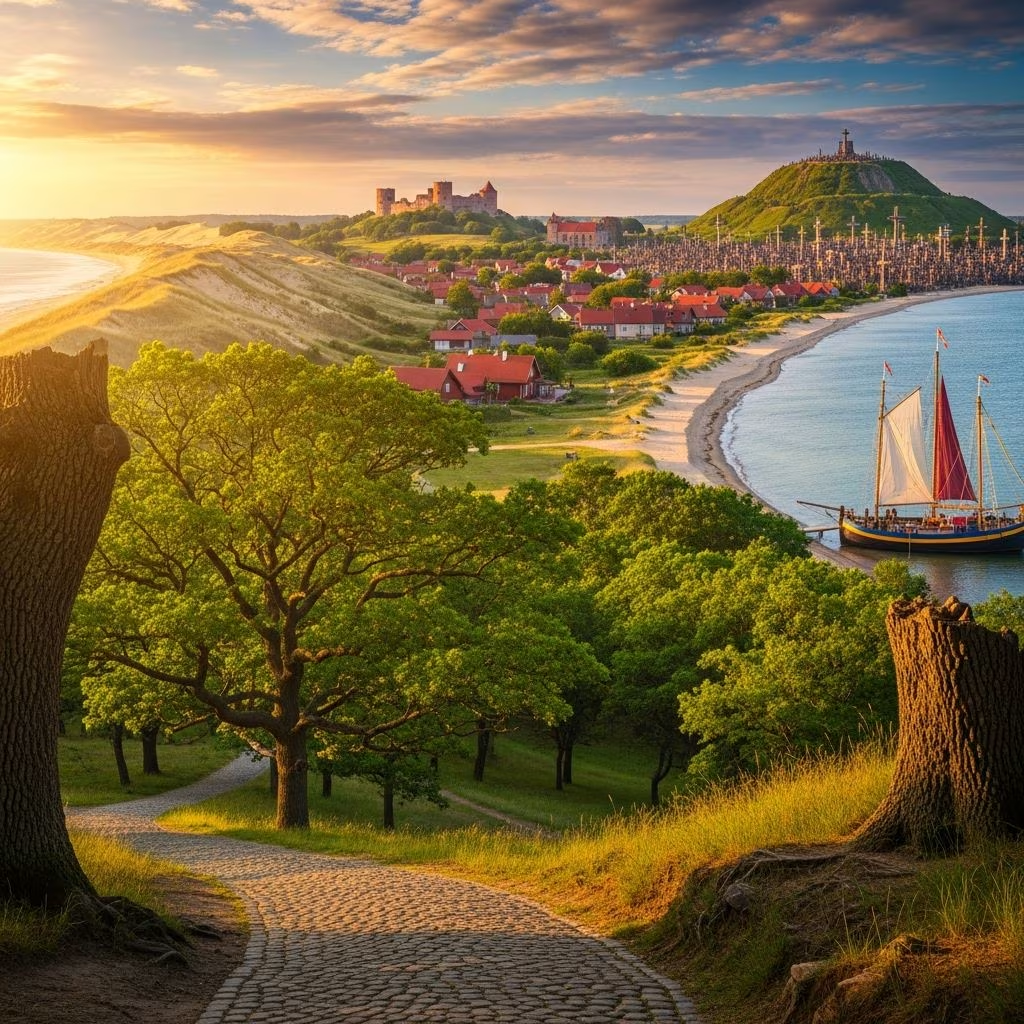
Lithuania, nestled along the Baltic coast, offers travelers a compelling blend of spiritual significance, natural beauty, and rich historical narratives. This Baltic nation has emerged as an increasingly popular destination for visitors seeking authentic experiences beyond conventional European tourism. The country’s diverse attractions range from ancient religious monuments to contemporary urban art scenes, making it an ideal destination for a wide spectrum of travelers.
Among Lithuania’s most iconic destinations are its spiritually significant landmarks that reflect centuries of faith and cultural identity. These sacred sites serve as windows into the Lithuanian character and the nation’s complex historical journey.
One of Lithuania’s most extraordinary destinations is the Hill of Crosses, located in the northern reaches of the country. This unique site emerged from ancient traditions, with the location originally serving as a place of ancestor worship during the pre-Christian era. Over time, particularly following periods of foreign occupation and religious suppression, the hill became covered with thousands of crosses of varying sizes and materials, each representing prayers, hopes, and commemorations by pilgrims from across the world.
The crosses range from elaborate iron works to simple wooden constructions, creating a visually striking landscape that combines profound spiritual meaning with authentic folk artistry. Today, the Hill of Crosses stands as one of Europe’s most distinctive religious monuments, attracting pilgrims and curious travelers who seek to understand Lithuanian Catholic heritage and resilience. Visitors often add their own crosses to the hillside, continuing a tradition that spans generations.
Within Vilnius’s historic old town stands the Gate of Dawn, the last surviving entrance to the medieval city’s defensive walls. Constructed during the 16th century, this architectural relic houses a revered icon of the Virgin Mary that has become a focal point for religious devotion and pilgrimage. The gate remains open to visitors throughout the day, offering both spiritual seekers and history enthusiasts an opportunity to experience one of Lithuania’s most sacred locations. The surrounding old town district provides additional context for understanding how this gateway functioned as a critical point of entry and protection for medieval Vilnius.
Beyond its spiritual and cultural sites, Lithuania presents remarkable natural environments that showcase the diversity of Baltic ecosystems.
Stretching approximately 98 kilometers along the coast, the Curonian Spit represents one of the region’s most distinctive geographical features. This extraordinarily narrow strip of sand dunes, in certain sections measuring merely 400 meters wide, separates the Curonian Lagoon from the Baltic Sea. Shared between Lithuania and the Kaliningrad region of Russia, this UNESCO-recognized landscape has been shaped by millennia of wind, water, and human interaction.
The Curonian Spit functions as both a natural reserve and a recreational destination. Visitors can engage with the landscape through multiple activities:
Within the Curonian Spit landscape rises Parnidis Dune, the highest point in the region at 52 meters above sea level. This natural prominence provides panoramic vistas encompassing pine forests, sand dunes, the Curonian Lagoon, and the vast Baltic Sea. A 1.7-kilometer loop trail featuring wooden boardwalks and sandy pathways guides visitors to multiple viewing platforms. The Parnidis Sundial, a sculptural timepiece integrated into the landscape, offers an ideal vantage point for observing how light transforms the scenery throughout the day, particularly during sunset hours.
Eastern Europe’s first treetop walking path winds through the ancient Anykščiai Regional Park, situated 35 meters above the forest floor. This 300-meter-long elevated pathway allows visitors to experience the forest ecosystem from the perspective of its avian inhabitants and canopy creatures. The forest itself carries cultural significance, having inspired 19th-century Lithuanian poet Antanas Baranauskas. This innovative structure combines environmental education with adventurous recreation, appealing to families, nature enthusiasts, and those seeking distinctive outdoor experiences.
Surrounded by the serene waters of Lake Galvė, Trakai Island Castle stands as one of Lithuania’s most visually compelling historical structures. Construction commenced during the 14th century, with subsequent phases of development and restoration extending through the following centuries. The castle’s island location creates a natural defensive position and provides stunning photographic opportunities, particularly during morning mist or sunset hours.
The fortress tells a complex story of Lithuanian medieval power, regional conflicts, and cultural resilience. Visitors can explore the castle’s interior museums, walk the perimeter walls, and appreciate the surrounding landscape of forests and additional lakes. The entire Trakai region encompasses numerous smaller lakes, making it an ideal location for extended exploration combining historical tourism with outdoor recreation.
Lithuania’s capital presents layers of cultural, architectural, and spiritual heritage compressed within a relatively compact historic center. The city’s orange-tiled rooftops create a distinctive skyline best appreciated from elevated viewpoints such as the bell tower of St. John’s Church at Vilnius University, the highest point within the old town. The historic district encompasses numerous sites reflecting different historical periods and cultural traditions.
Key attractions within Vilnius include:
Housed within Vilnius’s former KGB prison, this museum documents Lithuania’s traumatic 20th-century experiences during Soviet and Nazi occupations. The museum presents comprehensive exhibitions detailing political repression, deportations, and resistance movements. While demanding emotional engagement, the museum provides essential context for comprehending contemporary Lithuanian national identity and the country’s journey toward independence and democracy.
This hillside monument overlooks Vilnius from the eastern bank of the Neris River, offering panoramic city views. The three crosses symbolize both Christian faith and Lithuanian identity. The site gains particular appeal during sunset hours when the city’s architectural features are illuminated by warm golden light, creating memorable perspectives of the capital’s distinctive character.
Kaunas functions as Lithuania’s cultural and artistic second center, distinguished by its vibrant street art scene, which has gained international recognition. The old town district, though relatively compact, concentrates numerous Gothic and Renaissance architectural examples. Notable sites include Vilnius Street (Vilnius gatve), the pedestrian-only commercial heart of the old town, and the House of Perkunas, simultaneously the oldest street and oldest building structure within Kaunas, representing pre-Reformation religious architecture.
Additional Kaunas attractions encompass:
This comprehensive art institution houses both works by Lithuania’s symbolist master Mikalojus Konstantinas Čiurlionis and extensive international collections spanning ancient Egyptian and Greek artifacts through contemporary European creations from the 16th to 20th centuries. The museum provides insights into Lithuanian artistic traditions while contextualizing national cultural development within broader European movements.
This distinctive museum in Kaunas contains one of the world’s most extensive collections of devil figurines and demonic imagery, comprising works from Lithuanian folk art traditions as well as international contemporary artists exploring themes of evil, spirituality, and human nature. The museum reflects Lithuanian artistic engagement with supernatural themes and psychological complexity.
Located in Anykščiai, this open-air museum celebrates the historical and cultural significance of horses within Lithuanian rural society. The museum offers hands-on activities and horseback riding opportunities, making it particularly appealing for families with children seeking interactive educational experiences.
Constructed in 1927, this modest structure on the Curonian Spit preserves the material culture and daily life experiences of traditional fishermen. The museum provides tangible connections to the region’s maritime heritage and subsistence practices that sustained coastal communities for centuries.
Located within the Curonian Spit near Juodkrantė, the Hill of Witches constitutes an outdoor sculpture gallery featuring exclusively wooden artworks depicting characters from Lithuanian folklore, mythology, and fairytales. Set within a natural forest environment, the site creates an enchanted atmosphere particularly appealing to families with younger children. The sculptures, representing witches, devils, and supernatural beings from traditional narratives, integrate art, nature, and cultural storytelling in an accessible format.
Originally functioning as a cemetery, this exhibition space was converted by Soviet authorities in 1977 into a contemporary sculpture park. Featuring more than 100 works from 67 Lithuanian artists, the park demonstrates how post-Soviet Lithuania has transformed historical sites into spaces celebrating artistic expression and cultural memory. The free and continuously accessible venue showcases diverse sculptural approaches and materials.
Lithuania’s five national parks provide extensive opportunities for hiking, cycling, boating, and wildlife observation. These protected areas preserve diverse ecosystems ranging from forests and wetlands to coastal habitats. National parks offer structured trail systems, educational programs, and visitor facilities accommodating varying levels of outdoor experience and physical capability.
Spring (May-June) and autumn (September-October) offer pleasant weather conditions, fewer crowds than summer months, and distinctive seasonal aesthetics. Winter (December-February) presents fewer crowds and opportunities for observing frozen landscapes, though certain outdoor activities become more challenging.
Vilnius International Airport serves as the primary gateway, with regular international connections. Internal transportation networks connect major cities and attractions through bus services, trains, and rental vehicle options. The relatively compact national geography facilitates multi-destination trips combining urban and natural attractions within single visits.
While Lithuanian constitutes the official language, English proficiency among tourism professionals and younger urban residents facilitates visitor communication. Understanding basic cultural norms and historical context enhances visitor appreciation and respectful engagement with communities and sacred sites.
A comprehensive Lithuanian experience might integrate Vilnius’s urban cultural attractions with the Curonian Spit’s natural landscapes, castle exploration in Trakai, and Kaunas’s artistic scene. Multi-day itineraries allow adequate time for appreciating historical depth, engaging with spiritual sites appropriately, and experiencing distinctive regional characteristics. Whether prioritizing spiritual pilgrimage, natural exploration, historical education, or artistic engagement, Lithuania offers diverse attractions satisfying varied travel interests and preferences.
