

 Travel Essentials
 Travel Essentials

Explore Papua New Guinea's most compelling destinations, from world-class diving sites to remote highland villages and legendary hiking trails.
 Travel Essentials
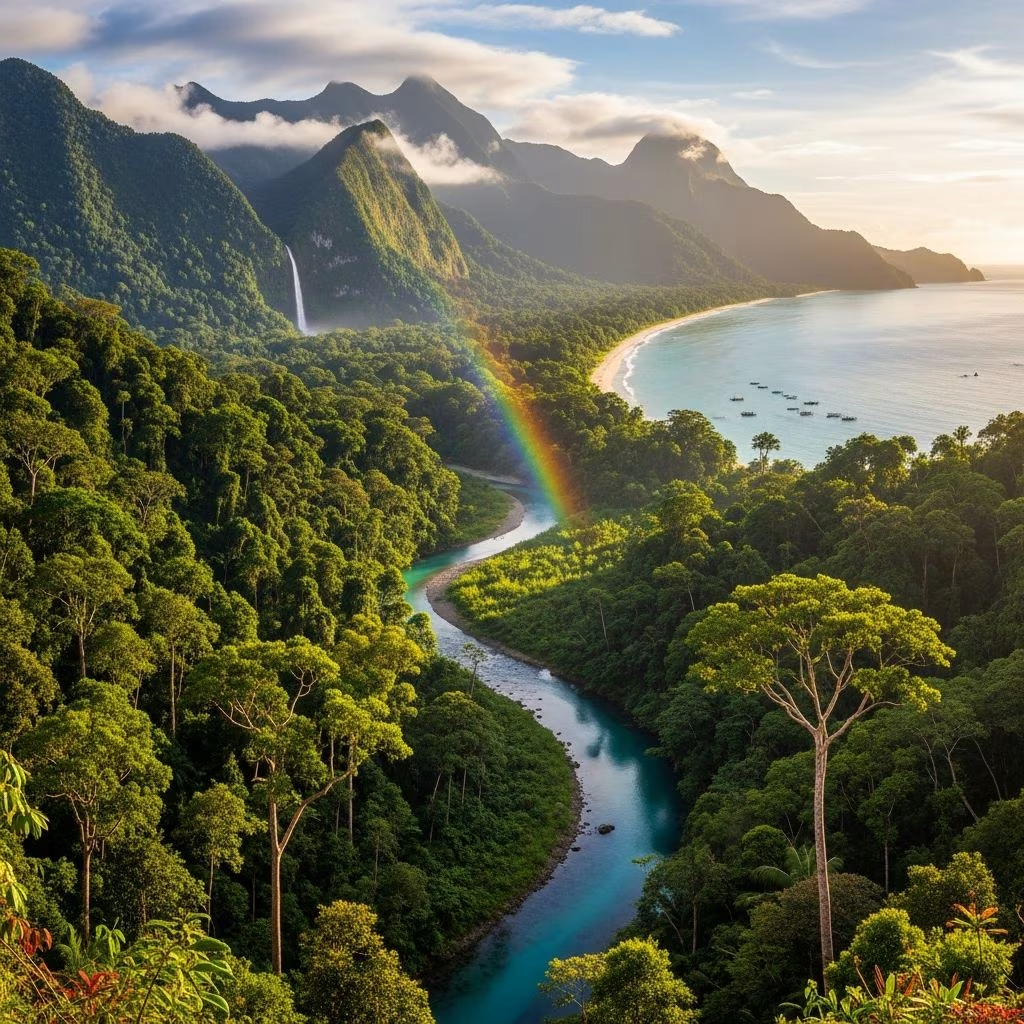
Papua New Guinea stands as one of the world’s most captivating yet challenging destinations, offering adventurers and cultural enthusiasts an unparalleled combination of untamed wilderness, vibrant indigenous communities, and remarkable geological features. This Pacific island nation presents opportunities for exploration that few other places on Earth can match, from encounters with remote tribes to immersion in some of the planet’s most biodiverse ecosystems.
The waters surrounding Papua New Guinea constitute part of the globally significant Coral Triangle, a region that represents an apex of marine biodiversity. This underwater realm attracts diving enthusiasts from across the globe seeking encounters with pristine coral formations and exotic marine species found nowhere else in the world.
Several locations have earned international recognition for their exceptional diving conditions. Kimbe Bay stands among the most celebrated, where marine biologists estimate that over half of the world’s coral species inhabit the surrounding waters. The bay consistently offers incredible visibility and year-round water temperatures ranging between 25°C and 30°C, creating ideal conditions for underwater exploration.
Milne Bay presents another world-class diving destination, particularly renowned for hosting the Black Jack dive site. This B-17 aircraft wreck, submerged beneath the surface, represents one of the finest aircraft wreck dives available globally. The region combines historical significance with extraordinary marine life viewing opportunities.
Additional premier diving regions include Rabaul, where dozens of sunken vessels create a comprehensive underwater museum from multiple historical periods, Kavieng with its famous Albatross Passage known for dramatic current diving, and Madang, which offers impressive coral diversity and numerous shipwreck explorations.
Papua New Guinea’s strategic location during World War II resulted in numerous naval and aerial engagements, leaving behind an underwater archaeological landscape of significant historical value. Divers can explore sunken vessels and aircraft that tell stories of the Pacific War, transforming diving expeditions into historical journeys.
These wreck dives offer more than visual spectacle; they provide tangible connections to historical events while showcasing how marine ecosystems have reclaimed human artifacts over decades. The combination of historical relevance and marine biodiversity creates uniquely meaningful diving experiences.
The mountainous interior of Papua New Guinea presents formidable terrain that rewards intrepid trekkers with breathtaking vistas, pristine ecosystems, and encounters with isolated communities relatively untouched by modern development.
This legendary trekking route traverses rugged mountains and dense vegetation while retracing the footsteps of World War II soldiers engaged in one of the Pacific theater’s most significant campaigns. The trail combines physical challenge with profound historical resonance, allowing trekkers to contemplate the experiences of soldiers who traversed this identical landscape under vastly different circumstances.
The journey through elevated terrain provides perspectives of interconnected mountain ranges, misty valleys, and forest ecosystems that have remained relatively unchanged since the war era. This convergence of history and nature creates an emotionally and intellectually enriching experience extending beyond typical recreational hiking.
Papua New Guinea’s highest peaks feature excellent established trails that guide hikers through diverse ecological zones. These routes pass through moss forests, across alpine meadows, past pristine mountain lakes, and alongside cascading waterfalls, each elevation tier revealing distinct flora adapted to specific environmental conditions. Some peaks preserve remnants of military installations from the World War II era, adding archaeological interest to the natural landscape.
Trekking through these regions allows visitors to witness the country’s remarkable topographical diversity within relatively concentrated areas, experiencing multiple climate zones and vegetation types during single expeditions.
Papua New Guinea contains some of Earth’s most biodiverse ecosystems, harboring countless species found nowhere else globally, making it essential for both scientific research and nature-based tourism.
The country’s extensive rainforests function as living laboratories for ecological research and destinations for wildlife enthusiasts seeking encounters with remarkable fauna. Guided treks through these environments reveal exotic birds, tree kangaroos, and countless insect species representing millions of years of evolutionary development. Professional guides facilitate deeper understanding of ecological relationships, predator-prey dynamics, and plant adaptations developed in the rainforest’s competitive environment.
These expeditions transform basic sightseeing into educational experiences that foster genuine appreciation for tropical biodiversity and conservation challenges facing rainforest ecosystems globally.
Established facilities like the Port Moresby Nature Park combine zoological and botanical experiences within protected landscapes, serving dual functions as both conservation centers and visitor attractions. These venues concentrate diverse species in controlled environments, making wildlife observation more accessible for visitors with limited time or mobility constraints.
Papua New Guinea’s cultural landscape encompasses hundreds of distinct ethnic groups, each maintaining unique traditions, languages, and customary practices that provide windows into pre-industrial human societies.
Visiting traditional villages offers opportunities to observe daily life rhythms—from agricultural practices to food preparation methods using ancestral techniques—and participate in ceremonies and storytelling traditions that encode cultural knowledge. These interactions provide authentic glimpses into social structures, family relationships, and decision-making processes that differ fundamentally from industrialized societies.
Such engagement fosters mutual respect and cultural appreciation while supporting local economies through tourism revenue directed toward community development initiatives. Visitors often report transformative experiences resulting from genuine human connections transcending language and cultural differences.
The annual Goroka and Mount Hagen Cultural Shows represent concentrated expressions of Papua New Guinea’s ethnic diversity, featuring elaborate traditional costumes, rhythmic performances, and musical presentations from multiple tribal groups. These festivals showcase the remarkable visual artistry, athletic prowess, and musical sophistication characterizing indigenous cultures. Attendance at such events provides comprehensive exposure to cultural practices that might require extended individual village visits to experience completely.
Beyond contemporary cultural experiences, ancient sites including skull caves and archaeological locations preserve evidence of human habitation extending back thousands of years. These venues connect visitors with the extended historical narrative of human settlement and cultural development in the Pacific region.
Papua New Guinea’s longest river winds through mountains, tropical rainforests, and swamplands in the remote northwest, offering boat-based access to isolated communities and pristine ecosystems otherwise difficult to reach. This journey provides encounters with elaborate spirit houses (haus tambarans), remarkable birdlife, and stilt-constructed villages representing centuries of cultural adaptation to riverine environments.
River expeditions combine wildlife observation with cultural encounters, allowing visitors to traverse genuine wilderness while maintaining comfort levels exceeding what overland trekking typically permits.
Papua New Guinea’s status as a premier birdwatching destination stems from its concentration of iconic bird species, particularly the renowned birds of paradise, plus numerous rare endemic species found exclusively within the nation’s boundaries. Birdwatchers equipped with binoculars and field guides can pursue identification challenges while appreciating the remarkable plumage, behavioral displays, and evolutionary specializations distinguishing these avian species.
Professional bird guides enhance these experiences by providing identification expertise, behavioral insights, and accessibility to remote locations where specific species concentrate, transforming casual bird observation into focused naturalistic study.
Cooking classes utilizing ancestral methods—such as clay pot preparation techniques—connect visitors with traditional food culture while supporting artisanal skill preservation. These experiences extend beyond recipe acquisition to encompass understanding ingredient sourcing, seasonal variation, and nutritional knowledge accumulated across generations.
Specialized tours to locations like the Conflict Islands facilitate interactions with marine turtle populations during critical life stages, combining wildlife observation with conservation education regarding these vulnerable species.
Rabaul and surrounding regions feature geologically active zones where visitors can explore volcanic ruins, natural hot springs, and wartime bunker systems within shared geographical landscapes shaped by multiple historical and geological processes.
| Experience Type | Physical Demand | Duration | Best Season |
|---|---|---|---|
| Diving and Snorkeling | Moderate to High | 3-7 days | April-October |
| Highland Trekking | High | 5-10 days | May-September |
| Village Visits | Low to Moderate | 2-5 days | Year-round |
| River Expeditions | Low to Moderate | 4-8 days | May-October |
| Birdwatching | Moderate | 3-7 days | September-April |
The dry season from May through October generally provides superior conditions for most activities, including trekking, diving, and river navigation. This period features lower precipitation and improved visibility for underwater activities.
While certain areas require caution and travelers should follow current government advisories and employ registered local guides, thousands of tourists visit annually without incident by exercising appropriate precautions and respecting local customs.
The trail presents significant physical challenges requiring solid cardiovascular fitness, mountain hiking experience, and mental preparation for difficult conditions. Most commercial trekking operators recommend substantial pre-trip training.
Certified divers access the most renowned sites, though snorkeling opportunities provide excellent marine observation without certification. Several operators offer certification courses for interested visitors.
Working with established tour operators, seeking explicit permission before photographing individuals or ceremonies, learning basic local language phrases, and approaching interactions with genuine curiosity rather than expectation facilitates respectful cultural exchange.
Papua New Guinea presents a singular combination of natural wonders, cultural authenticity, and adventure opportunities accessible nowhere else on Earth. From descending beneath tropical waters teeming with marine biodiversity to ascending into misty highlands where time seems suspended, from participating in centuries-old ceremonies to exploring remnants of pivotal historical events, visitors encounter landscapes and communities that challenge perspectives and create lasting memories. The country rewards intrepid travelers willing to embrace discomfort, uncertainty, and immersion in genuinely foreign environments with transformative experiences that extend far beyond conventional tourism.
