

 Travel Essentials
 Travel Essentials

Comprehensive guide to Split's top attractions including Diocletian's Palace, cathedral views, island tours, and cultural experiences for travelers.
 Travel Essentials
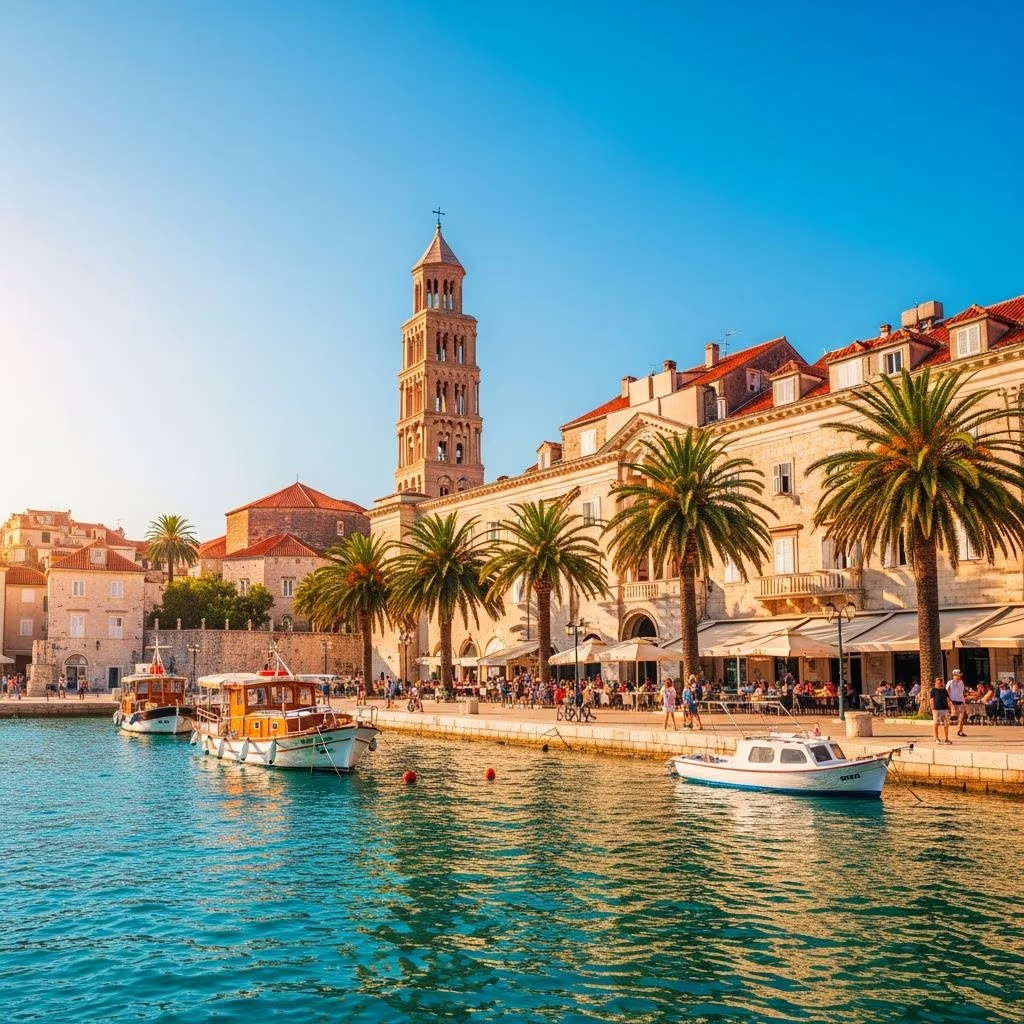
Split stands as one of the Mediterranean’s most captivating destinations, blending ancient history with contemporary coastal charm. This Adriatic city offers visitors an extraordinary mix of archaeological significance, natural beauty, and vibrant local culture. Whether you’re a history enthusiast, adventure seeker, or leisure traveler, Split provides diverse experiences that cater to every interest. Understanding the city’s primary attractions helps travelers maximize their time and create memorable experiences.
At the core of Split lies Diocletian’s Palace, a UNESCO World Heritage Site constructed in the 4th century for Roman Emperor Diocletian. This architectural marvel represents one of the world’s most significant Roman structures, yet it functions as a living, breathing neighborhood rather than a static museum. Approximately 3,000 residents continue to inhabit the palace complex, making it unique among historical sites worldwide. The palace essentially forms the foundation of Split’s Old Town, with narrow cobblestone streets, hidden courtyards, boutique shops, and traditional restaurants occupying the ancient structure’s spaces.
Visitors navigating Diocletian’s Palace experience a labyrinth of interconnected passages and squares. The complex contains multiple points of interest, some accessible freely and others requiring admission. Among these are the underground cellars, which showcase the palace’s original ground level and provide fascinating insights into Roman engineering. Wandering intentionally through the palace’s winding alleys becomes part of the adventure, as unexpected discoveries around each corner reveal architectural details, local vendors, and authentic eateries. Evening visits transform the palace into an ethereal setting, with strategic lighting illuminating the ancient stones and creating an atmosphere perfect for photography and contemplation.
The Cathedral of Saint Domnius and its accompanying bell tower provide some of Split’s most rewarding vistas. The bell tower presents a physically challenging but tremendously worthwhile climb featuring steep, narrow steps that test visitors’ stamina. Those who reach the summit are rewarded with 360-degree views encompassing terracotta rooftops, the Adriatic Sea with its harbor activity, surrounding islands, and the sprawling urban landscape of Marjan Hill.
Strategic timing enhances the bell tower experience; early morning visits minimize crowds and allow unhurried observation of the emerging day over the Adriatic. The tower ascent costs approximately €7, with combination tickets offering access to the cathedral interior, treasury, crypts, and museum for approximately €12. From this elevated vantage point, visitors gain spatial understanding of how Diocletian’s Palace structures the entire old city, providing context for street-level explorations. Photography enthusiasts particularly appreciate the unobstructed sightlines and varied lighting conditions available throughout the day.
Split’s position on the Adriatic provides access to extraordinary maritime experiences. Island-hopping tours represent among the most popular activities, combining multiple destinations into comprehensive day excursions. The five-island circuit ranks as the region’s most celebrated boat tour, incorporating visits to distinctive locations including the renowned Blue Cave. These tours typically feature swimming opportunities, coastal exploration, and encounters with island communities maintaining traditional Mediterranean lifestyles.
Specialized maritime experiences extend beyond standard island tours. Sunset boat rides departing from Split’s harbor offer intimate perspectives of the coastline as daylight fades. Replica vessel cruises evoke historical maritime traditions while providing relaxing alternatives to standard motorized boats. For more active travelers, boat tours combining water activities with land exploration allow visitors to simultaneously experience aquatic environments and terrestrial attractions.
Marjan Hill rises prominently adjacent to Split’s historic center, featuring over 300 stairs ascending through a public park system. This hiking route culminates at elevated viewpoints presenting spectacular Split vistas, harbor panoramas, and distant island perspectives. The climb proves accessible to most fitness levels, offering both exercise and natural beauty within walking distance of downtown accommodations.
Sustipan Park provides peaceful coastal refuge for visitors seeking respite from narrow old-town streets. Located along the western Riva promenade, this scenic park originates from medieval Benedictine monastic grounds. Although its cemetery was destroyed during World War II, post-war reconstruction created a tranquil recreational space featuring Adriatic Sea views and the small Church of Saint Stephen. Sunday mornings attract local residents, creating authentic cultural observation opportunities while maintaining the park’s serene atmosphere.
Krka National Park and its cascading waterfalls lie within convenient day-trip distance from Split. These natural formations create stunning visual spectacles, with multiple tiers descending through lush vegetation and crystalline pools. Visitors can typically access these areas via organized tours including transportation, guided navigation, and swimming opportunities. Some tour packages incorporate regional culinary experiences and wine tastings, enriching the natural exploration with gastronomic discoveries.
Water-based adventures extend to activities like Cetina River rafting, combining flowing-water navigation with cliff-jumping and swimming in limestone-filtered pools. These adventures appeal to travelers seeking adrenaline-enhanced experiences beyond passive sightseeing.
The Split Ethnographic Museum preserves traditional Dalmatian heritage through carefully curated collections. Exhibits showcase historical clothing, handcrafted items, and domestic artifacts reflecting regional cultural practices across generations. Although modest in scale, this museum provides valuable contextual understanding of the material culture surrounding visitors throughout the city.
The Froggyland Museum represents Split’s most unconventional attraction—a taxidermy collection featuring hundreds of preserved frogs displayed in naturalistic scenes. This peculiar establishment prohibits photography, enhancing its mystique while compelling visitors to experience it firsthand. Despite its unusual premise, Froggyland garners enthusiastic responses from travelers seeking distinctive, conversation-starting experiences.
People’s Square (Narodni trg) anchors Split’s medieval quarter, featuring the Old Town Hall as a prominent Gothic architectural example. This beautiful structure reflects Split’s medieval urban development and administrative heritage. Even casual plaza visitors benefit from observing the building’s distinctive architectural elements while experiencing the square’s social atmosphere.
The Golden Gate and other palace entrances showcase Roman architectural principles, while various institutional buildings throughout the old city demonstrate medieval and Renaissance structural influences. Walking tours systematically revealing these elements help visitors understand architectural evolution across centuries.
The Riva Promenade stretches along Split’s waterfront, functioning as the city’s primary social and commercial thoroughfare. This tree-lined walkway features restaurants, cafes, and shops while providing unobstructed Adriatic views. The promenade particularly attracts visitors during evening hours when temperatures moderate and local residents commence their traditional passeggiata (leisurely walk).
Split’s restaurant scene reflects Mediterranean traditions, emphasizing fresh seafood, local produce, and regional recipes. Cooking classes and food tours introduce visitors to Dalmatian cuisine through hands-on preparation and guided tastings. Markets scattered throughout the old city showcase fresh ingredients while providing cultural immersion opportunities. Wine regions surrounding Split produce distinctive Dalmatian varieties, many available for tasting within city establishments.
Guided walking tours through Diocletian’s Palace and the old city provide historical context while reducing navigation uncertainty. These tours typically last 2-3 hours and accommodate groups of varying sizes. Walking tours combine Diocletian’s Palace exploration with surrounding architectural and cultural sites, offering structured itineraries for those preferring organized experiences.
The Hvar, Mamma Mia, and Blue Cave combination tour integrates multiple attractions including filming locations from the popular film adaptation, allowing visitors to experience entertainment references alongside natural and cultural attractions.
Split experiences peak tourism during summer months, when temperatures reach Mediterranean highs and accommodation prices escalate. Shoulder seasons (April-May and September-October) provide pleasant weather with reduced crowds and lower costs. Early morning visits to primary attractions diminish crowding while providing superior photography conditions with favorable lighting angles.
Spring (April-May) and fall (September-October) offer ideal conditions combining pleasant temperatures, manageable crowds, and reasonable accommodation prices. Summer months bring warm weather but significantly increased tourism and costs.
A minimum of 2-3 hours allows for reasonable exploration of major palace sections. More thorough visits may require 5-6 hours when including museum visits and leisurely wandering through secondary passages.
While independent exploration remains entirely viable, guided tours provide historical context and help prioritize limited time. First-time visitors often benefit from organized tours for initial orientation.
Bell tower and cathedral access range from €7-12 depending on combination packages. Most palace exterior and street exploration remain free, though specific museums and exhibition spaces charge separate admission fees.
Yes, multiple daily boat tours depart from Split’s harbor, with five-island circuits representing the most comprehensive options. Tour durations typically range from 6-8 hours including transportation, swimming, and basic meals.
Split maintains excellent public transportation with local buses connecting downtown areas to peripheral neighborhoods. The city center remains highly walkable, though comfortable walking shoes prove essential given extensive cobblestone surfaces. Restaurants throughout the old city vary significantly in price and quality; eating establishments near primary tourist sites typically charge premium rates compared to quieter neighborhood options.
Accommodations range from budget hostels to luxury resorts, with mid-range options offering reasonable value in old-town locations. Booking accommodations in advance during peak seasons prevents availability shortages and price escalation. Currency considerations: Croatia uses the Croatian kuna, though euro acceptance is increasing in tourist-oriented establishments.
Language considerations: English proficiency among service providers varies, with younger service workers generally fluent. Learning basic Croatian phrases enhances local interactions while demonstrating respect for regional culture.
Split rewards visitors who embrace both structured exploration and spontaneous discovery. The city’s primary attractions provide excellent starting points, while intentional wandering reveals hidden restaurants, local artisans, and authentic neighborhoods beyond typical tourist circuits. Whether prioritizing historical immersion, natural beauty, culinary adventures, or island exploration, Split accommodates diverse travel preferences while maintaining the distinctive Mediterranean character that attracts visitors worldwide.
