

 Travel Essentials
 Travel Essentials

Explore Tucson's must-see Sonoran Desert attractions including botanical gardens, national parks, museums, and hiking trails for an unforgettable adventure.
 Travel Essentials
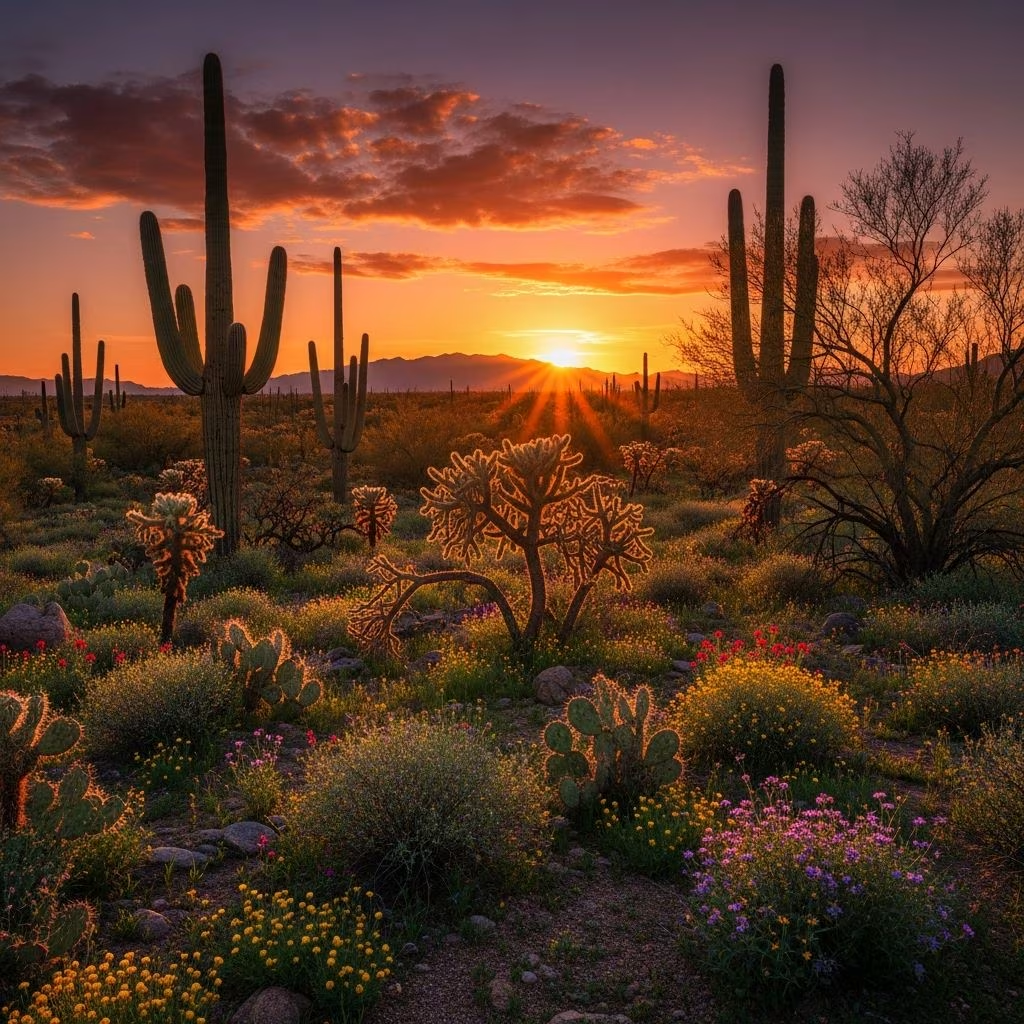
The Sonoran Desert surrounding Tucson offers a captivating blend of rugged landscapes, unique wildlife, and cultural treasures. This arid region, home to iconic saguaro cacti and diverse ecosystems, draws visitors year-round for its hiking trails, museums, and natural wonders. From immersive desert museums to scenic canyons, Tucson’s attractions provide endless opportunities for exploration and education.
Tucson’s position in the heart of the Sonoran Desert makes it a gateway to some of America’s most distinctive natural sites. Towering saguaros, hidden caves, and mountain vistas define the area, offering both serene walks and thrilling adventures.
Saguaro National Park, divided into East and West districts, protects over 91,000 acres of pristine Sonoran Desert. The West side, accessible near Tucson, features the Signal Hill Trail, a short, easy hike leading to ancient petroglyphs etched into rocks over 800 years ago by indigenous peoples. These carvings, possibly spiritual symbols or maps, add a layer of historical intrigue to the landscape dotted with massive saguaros.
The East district showcases the park’s densest saguaro forests, with trails like the Freeman Homestead revealing pioneer history amid blooming wildflowers in spring. Entry fees support preservation, and visitors can drive the 8-mile Bajada Loop for panoramic views without strenuous effort.
Nestled in the Santa Catalina Mountains, Sabino Canyon Recreation Area provides a refreshing escape with its seven waterfalls, especially after rains. A narrated tram ride ascends the canyon road, stopping at trailheads for hikes ranging from easy strolls to challenging climbs. Spring brings vibrant wildflower displays, while summer offers swimming holes at Bear Canyon Trail.
This popular spot in Coronado National Forest sees heavy foot traffic, so early mornings are ideal. Picnicking areas and biking paths enhance its appeal for families and fitness enthusiasts alike.
Tucson’s institutions brilliantly showcase the Sonoran Desert’s biodiversity, blending education with immersive experiences.
The Arizona-Sonora Desert Museum stands out as a unique fusion of zoo, aquarium, botanical garden, and natural history museum across 21 acres. Over 230 native animal species, from mountain lions to hummingbirds, roam in naturalistic habitats, while 1,200 plant varieties line walking paths. Highlights include the walk-through aviary, fossil exhibits, and underground reptile displays.
Tickets cost around $23.95 for adults, with advance purchase recommended. Dining options like the Ironwood Terrace provide shaded meals amid the exhibits. This “living museum” mission fosters deep appreciation for desert ecology.
Tohono Chul Garden spans 49 acres of desert gardens, sculptures, and art galleries, earning acclaim as one of the world’s top botanical sites. Wander through themed areas like the Bistro Garden or Exhibit House featuring local artisan works. Seasonal classes and events make it a cultural hub.
Nearby, Tucson Botanical Gardens covers 5.5 acres with 16 specialty gardens, including a Zen retreat, butterfly haven, and children’s play area. Edna’s Eatery serves fresh, seasonal fare. Both sites emphasize xeriscaping—water-efficient landscaping ideal for desert living.
Beyond static attractions, Tucson’s desert invites active engagement through hikes, drives, and unique parks.
The 60-mile Mount Lemmon Highway climbs from 2,000 to 9,000 feet, transitioning from saguaro-studded lowlands to cool pine forests. Stops include Windy Point Vista for boulder-strewn views and ski areas in winter. This drive reveals the Sonoran Desert’s elevational diversity in hours.
Kartchner Caverns State Park, a wet limestone cave system, boasts the world’s longest stalactite and massive formations formed over 50,000 years. Guided tours limit groups for preservation. Nearby, Colossal Cave Mountain Park offers self-guided explorations and ziplines.
| Attraction | Key Features | Best Time to Visit | Entry Fee (Approx.) |
|---|---|---|---|
| Sabino Canyon | Tram rides, waterfalls, hikes | Spring (wildflowers) | $8/vehicle |
| Mt. Lemmon Byway | Scenic drive, forests | Fall (colors) | Free |
| Kartchner Caverns | Guided cave tours | Year-round | $23/adult |
| Colossal Cave | Self-guided caves, zipline | Any season | $20/adult |
The Sonoran Desert’s human story enriches visits to Tucson.
This 18th-century Spanish Baroque mission, known as the White Dove of the Desert, features intricate frescoes and architecture. Built by Tohono O’odham labor, it remains an active parish amid the desert.
With 300+ aircraft, from vintage fighters to space shuttles, this museum traces Tucson’s aerospace history. Tram tours cover the massive outdoor boneyard.
To maximize your Tucson desert adventure:
Combine visits: Start at Arizona-Sonora Desert Museum, hike Saguaro West, then Sabino Canyon for a full day.
Fall through spring offers comfortable temperatures (60-80°F); avoid summer heat.
Yes, with kid-focused exhibits at the Desert Museum, Children’s Garden, and easy trails.
Half-day per district; Signal Hill Trail takes 30-45 minutes.
Yes, but early morning or evening in summer; check for flash flood warnings.
Saguaros host Gila woodpeckers; roadsrunners, javelinas, and coyotes roam freely.
Tucson’s Sonoran Desert weaves nature, history, and adventure into an accessible package. Whether chasing petroglyphs or tram-riding through canyons, these highlights promise transformative experiences.
