

Food & Culture Stays Travel Essentials Travel Guides Trip Ideas
Categories
From the Blog
Remy’s Ratatouille Adventure at EPCOT: Ride Review, Tips & 2D Update
Travel Essentials

Torres del Paine Photography Guide: Best Hikes, Views & Wildlife

Explore Torres del Paine's granite towers, turquoise lakes, glaciers, and wildlife via iconic photo spots, trek details, and planning advice for an unforgettable Patagonia adventure.
Travel Essentials

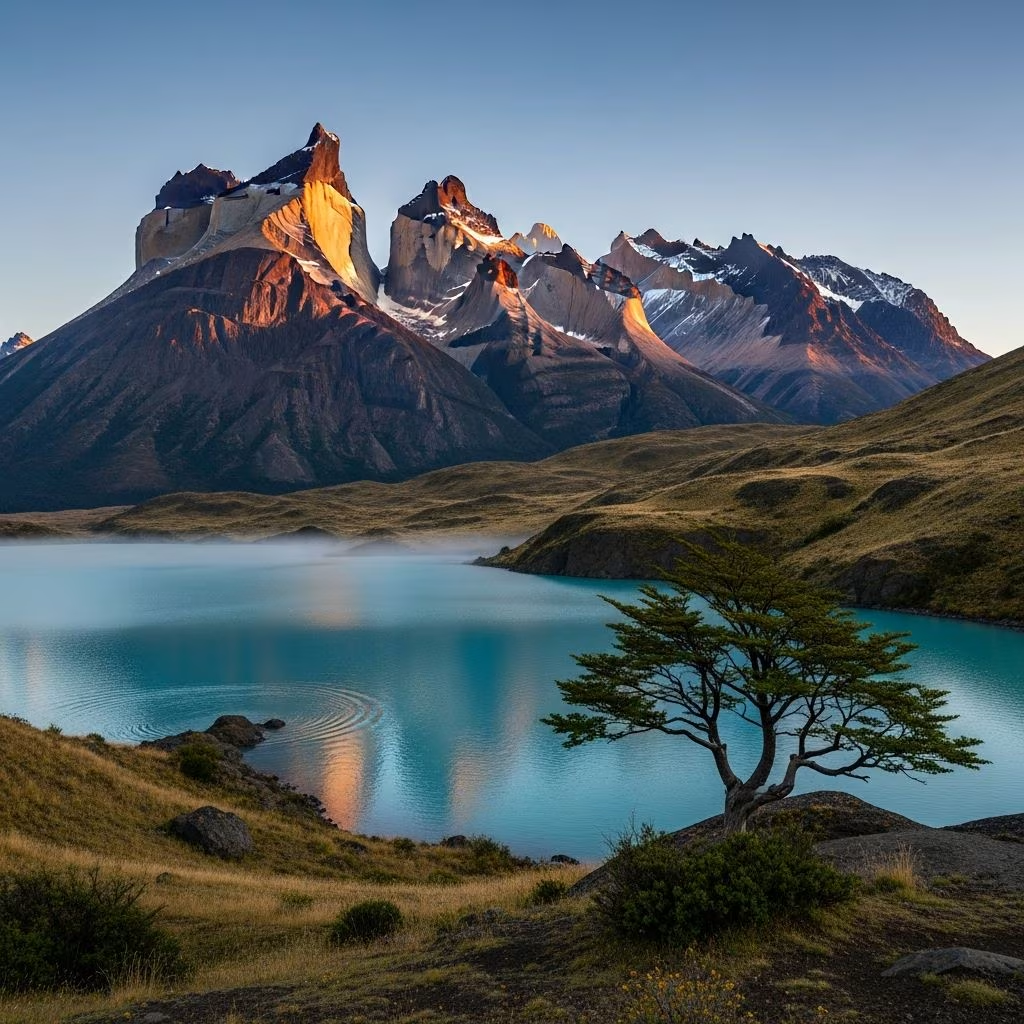
Torres del Paine National Park stands as one of the world’s most photogenic wilderness areas, blending jagged granite peaks, glacial lakes, and diverse wildlife in southern Chile’s Patagonia region. This UNESCO Biosphere Reserve captivates adventurers with its raw beauty and endless opportunities for stunning imagery.

Unveiling the Park’s Geological Marvels

Formed around 12 million years ago by glacial carving and tectonic forces, Torres del Paine features dramatic granite spires rising dramatically from the landscape. The park’s namesake towers, known as the **Torres del Paine**, dominate the skyline, while surrounding ice fields and nothofagus forests create a tapestry of contrasts. Often called the “crown jewel of Patagonia,” it encompasses vast pampas swept by relentless winds and serene blue lagoons teeming with birdlife.

The Paine Massif, a highlight for photographers, showcases layered sedimentary rocks contrasting with sheer black granite faces. These formations, sculpted by ancient glaciers, offer vistas that shift with the Patagonian light, from golden sunrises to moody sunsets.

Prime Photography Hotspots

Capturing Torres del Paine requires strategic stops. Here are essential locations for breathtaking shots:

  • Mirador Base de las Torres: The ultimate icon—a challenging 20km round-trip hike rewards with close-up views of the three granite towers reflected in a glassy lagoon. Best at sunrise when alpenglow bathes the peaks in pink hues.
  • Laguna Amarga Entrance: Turquoise waters against the towers provide an accessible roadside shot. The intense blue, caused by glacial silt, contrasts sharply with the rugged peaks.
  • Cuernos del Paine Viewpoint: A 90-120 minute hike leads to panoramic scenes of the jagged “Horns of Paine.” Morning light highlights their textured faces; use a telephoto lens to isolate shapes amid twisted trees.
  • Lake Nordenskjöld Overlook: Roadside access to sweeping turquoise waters with the Paine Massif backdrop. Leading lines from the lake draw eyes to distant peaks—ideal for golden hour.
  • Salto Grande Waterfall Trail: En route to Cuernos, this cascade roars through a narrow channel, framed by peaks. Capture motion blur for dynamic water effects.

These spots, accessible via park roads or short treks, maximize photographic variety without extreme exertion.

Essential Hiking Trails for Photographers

Torres del Paine offers trails blending fitness challenges with visual payoffs. Plan around weather and fitness levels:

Trail NameDistance/DurationDifficultyPhoto Highlights
Base de las Torres20km / 8-10 hrsChallengingTowers reflection, alpine meadows
Cuernos Viewpoint9.5km / 2 hrs RTModerateHorns peaks, Salto Grande falls
Nordenskjöld LakeRoadside / 30 minsEasyTurquoise lake, massif panorama
Laguna AmargaRoadside / 15 minsEasyEntry towers, vivid blue water

The W Trek, a multi-day circuit, connects many of these, but day hikes suffice for key images. Always carry layers for sudden winds and rain.

Wildlife Encounters Through the Lens

Beyond landscapes, Torres del Paine teems with subjects. Guanacos roam the pampas, their reddish fur popping against green tussocks. Andean condors soar overhead, wings spanning up to 3 meters—patience yields flight shots.

Pumas, elusive apex predators, prowl the edges; guided tours boost sighting chances. Flamingos dot lagoons, their pink flocks vivid against turquoise. Foxes and huemul deer add serendipitous moments. Use long lenses (200-600mm) for ethical distance.

Best Seasons and Timing for Epic Shots

October to April marks peak season, with summer (December-February) offering longest days but crowds. Shoulder seasons (spring/fall) deliver dramatic clouds and fewer hikers, enhancing moody compositions.

  • Sunrise: Soft light on eastern faces; arrive 90 minutes early for setups.
  • Golden Hour: Warm tones transform granite to gold.
  • Blue Hour: Post-sunset glow over lakes.
  • Avoid midday harsh light; clouds create diffusers.

Practical Planning for Your Visit

Enter via Laguna Amarga, Porteria Serrano, or Sarmiento gates. Buses from Puerto Natales (2 hours) or fly into Punta Arenas. Book refugios or campsites months ahead, especially for W or O Circuits.

Gear essentials: Wide-angle (16-35mm) for vistas, telephoto for details/wildlife, tripod for low light, filters (polarizer, ND) for water silkiness. Drones are restricted—stick to ground level.

Park fees: ~$30 USD for internationals. Carry cash, water purifiers, and bear spray alternatives (though no bears, guanacos can be bold). Sustainable practices: Stay on trails, pack out waste.

Capturing the Essence: Pro Tips

To elevate shots:

  • Layer foreground (flora, rocks) with midground (lakes) and background peaks for depth.
  • Bracketing exposures handles high dynamic range.
  • Telephoto compresses distant features.
  • Include humans sparingly for scale in vast scenes.

Post-processing: Enhance blues subtly, boost shadows for detail. Share via Instagram with #TorresDelPaine for community inspiration.

Park Stats and Fun Facts

  • Area: 181,414 hectares.
  • Visitors: Third most-visited in Chile.
  • Biosphere Reserve since 1978.
  • Home to 25 bird species, 6 reptile types.

Frequently Asked Questions (FAQs)

What’s the best time to visit Torres del Paine for photography?

Shoulder seasons (October-November, March-April) offer optimal light and fewer crowds, ideal for dramatic skies.

Do I need a guide for hikes?

Day hikes like Base de las Torres are self-guided with good signage, but multi-day treks benefit from experts for weather/navigation.

Is Torres del Paine beginner-friendly?

Easy roadside spots suit novices; challenging treks require fitness training.

What wildlife can I photograph?

Guanacos, condors, pumas (rare), flamingos, foxes—respect distances.

How to get iconic tower reflections?

Hike to Base de las Torres early morning when the lagoon is still.

References

  1. 20 Insane Pictures of Torres del Paine — Ecocamp Travel. N/D. https://www.ecocamp.travel/blog/20-insane-pictures-of-torres-del-paine-instagram
  2. Photographic Hiking & Overlanding at Torres del Paine — Patagonia Southern Land Expeditions. N/D. https://patagoniasouthernlandexpeditions.com/photographic-hiking-overlanding-aroundtorres-del-paine-national-park/
  3. Patagonia Photography Locations – Torres del Paine — The Wandering Lens. N/D. https://www.thewanderinglens.com/patagonia-photography-locations-torres-del-paine-national-park/
ME
medha deb
Medha Deb is an editor with…

Medha Deb is an editor with a master's degree in Applied Linguistics from the University of Hyderabad. She believes that her qualification has helped her develop a deep understanding of language and its application in various contexts. Medha specializes in the areas of beauty, health, sports, and wellness and is committed to ensuring that the content on the website is of the highest quality.Medha's passion for writing and editing began early in life when she joined a book writer's club with her mother. It was there that she discovered her love for the written word and the power it holds to inform, inspire, and transform lives. Since then, she has honed her skills as a writer and editor, working with a variety of clients and publications to produce compelling and informative content. Currently, she writes and edits for CultureTreker.She is also an ardent animal lover and dedicates her time and resources to the foster care of neonatal kittens, providing them with the love and attention they need to thrive. Her commitment to animal welfare is a testament to her compassion and empathy, and it underscores her belief in the importance of caring for the most vulnerable members of our society.

← Previous
Yellowstone with Kids: A Family-Friendly 3-Day Itinerary
‹›
