


 Food & Culture
Food & Culture
Traditional Bolivian Food and Drinks: A Regional Culinary Guide
Discover the vibrant culinary landscape of Bolivia, from hearty mountain soups to refreshing beverages rooted in Andean traditions and indigenous culture.
 Food & Culture
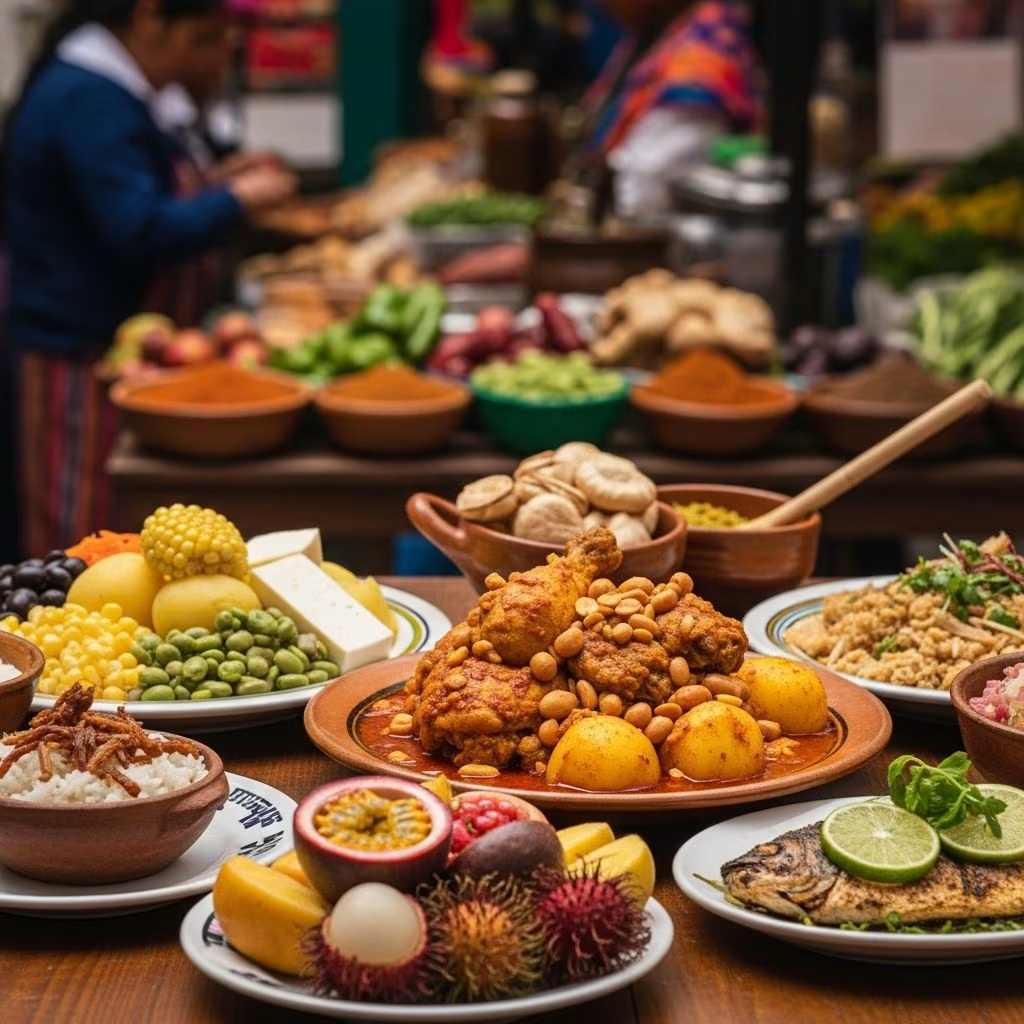
Bolivia’s gastronomic landscape represents a fascinating blend of indigenous heritage, geographical diversity, and cultural influences that have shaped the nation’s food traditions over centuries. From the high-altitude Andes to the tropical lowlands, each region contributes distinctive flavors and preparation methods that reflect both the terrain and the communities inhabiting these areas. Understanding Bolivian cuisine requires exploring how altitude, available ingredients, and ancestral cooking techniques converge to create dishes that are as varied as they are meaningful to local populations.
The Foundation of Bolivian Gastronomy
Bolivian food culture centers around fundamental staple ingredients that have sustained populations for generations. Potatoes, corn, and legumes form the backbone of most traditional preparations, supplemented by locally sourced meats and regional vegetables. The diversity of these staples across different altitudes and climates means that cuisine varies considerably between the highland regions and the eastern lowlands, each offering unique culinary expressions.
The preparation methods employed in Bolivian cooking often reflect practical necessity born from mountain living and limited resources. Dishes tend to be hearty and substantial, designed to provide warmth and sustenance in cooler climates. Many recipes have remained relatively unchanged for generations, passed down through families and communities as integral parts of cultural identity and social gatherings.
Signature Meat-Based Preparations
One of the most iconic dishes encountered throughout Bolivia is a massive platter that combines multiple protein sources into a single serving. This beloved preparation layers beef, pork sausage, fried eggs, potatoes, and fresh peppers into what locals consider the ultimate satisfying meal. The portions are notably generous, often sufficient to feed multiple diners, making it an economical choice for travelers on limited budgets. Regional variations exist across different cities and restaurants, with some establishments adding unique components or preparing ingredients using distinct techniques.
Beyond this flagship dish, pork features prominently in numerous Bolivian preparations. Crispy fried pork preparations showcase the animal in various cuts, often accompanied by traditional sides that balance the richness of the meat. These dishes reflect the importance of pig farming in rural communities and demonstrate how indigenous populations adapted to European livestock introduction by incorporating pork into traditional preparation styles.
Beef-based soups represent another significant category within Bolivian cuisine. Traditional broths combine tender meat with root vegetables, corn, and aromatic seasonings that build flavor through extended cooking times. These preparations serve both as everyday sustenance and as special occasion dishes, particularly during community celebrations and family gatherings.
Legume-Based Soups and Creamy Preparations
Ground peanuts feature in one of Bolivia’s most distinctive soup preparations, a creamy creation originating from the Cochabamba region where peanut cultivation has historical significance. The soup combines ground peanuts with potatoes, beef, and standard aromatics to produce a silky, mild-flavored broth that coats the palate. Additional components often include pasta, fresh vegetables like carrots and celery, and garnishes of crispy fried bread or potatoes that add textural contrast.
This particular preparation holds cultural importance beyond mere sustenance, as peanuts themselves originated in the Andean region and carry historical weight in local food traditions. The soup represents how indigenous ingredients continue to anchor modern Bolivian cooking practices, maintaining connections to ancestral foodways and agricultural heritage.
Other legume-based preparations utilize quinoa, a nutritionally dense grain native to the Andes, in soup formulations that highlight both traditional and contemporary nutritional awareness. These dishes demonstrate how Bolivian cooks balance honoring ancestral ingredients with meeting modern dietary preferences.
Freshwater Fish and Protein Alternatives
In regions where freshwater sources provide access to fish populations, trout represents a popular protein choice, prepared simply to showcase the natural flavor of the fish. Preparation methods often involve grilling or pan-frying with minimal seasoning, allowing the delicate meat to remain the focal point of the dish. This approach contrasts with the heavily seasoned and meat-forward preparations characteristic of higher-altitude regions.
Fish dishes typically appear alongside rice and fresh vegetables, creating lighter meals compared to the hearty meat and potato combinations found in mountain communities. The availability and preparation of fish reflect geographical differences in Bolivia’s diverse landscape and the corresponding adaptation of culinary practices to local resources.
Preserved Meat Preparations and Festival Foods
Traditional cured and dried meat preparations hold particular significance in Bolivian food culture, particularly during celebrations and communal gatherings. These methods reflect pre-refrigeration food preservation techniques that continue to define certain dishes even in contemporary contexts. Dried meat preparations combined with potatoes and corn create rustic, flavor-intensive dishes that connect modern diners to historical eating practices.
Certain meat-based preparations appear specifically during festivals and special occasions, reinforcing their role as more than everyday sustenance. These dishes carry ceremonial importance and represent continuity with indigenous traditions, making their preparation and consumption acts of cultural preservation and community bonding.
Breakfast Traditions and Hot Beverages
The morning meal in Bolivia frequently features a distinctive purple-hued corn-based beverage served steaming in traditional bowls. This warming drink combines corn flour with warming spices including cinnamon, cloves, and citrus elements that create a complex flavor profile. The beverage often accompanies a fried cheese-filled pastry, creating a complete breakfast experience designed to provide warmth and sustenance before the day’s activities.
Alternative versions utilizing white corn offer similar warming properties with subtle flavor differences, demonstrating how cooks adapt fundamental recipes across regions and seasons. The practice of consuming this beverage for breakfast, particularly during colder months in high-altitude areas, reflects practical considerations about body temperature regulation and the psychological comfort of warm drinks in cool climates.
This breakfast tradition extends beyond simple nutrition, representing a moment of cultural continuity and daily ritual that connects families and communities through shared culinary practices.
Snack Foods and Street Food Culture
Bolivian street food traditions encompass numerous portable preparations designed for consumption throughout the day. Fried pastries filled with cheese, empanada-style pockets with various fillings, and stuffed potato preparations represent common street vendor offerings that provide quick, satisfying snacks. These foods reflect the practical necessities of urban life and mobile work situations, while maintaining connection to traditional preparation methods.
Corn-based snacks prepared from specially processed kernels appear throughout Bolivian communities, enjoyed by both children and adults as a universally appreciated food item. These preparations demonstrate how single ingredients receive varied treatment to create diverse eating experiences and address different consumption occasions.
Sandwich variations incorporating avocado and local proteins showcase how Bolivian food culture adapts to modern eating patterns while maintaining traditional flavor profiles and ingredient preferences. These adaptations represent natural culinary evolution rather than wholesale abandonment of traditional practices.
Condiments and Flavor-Building Elements
A fundamental component of Bolivian dining involves a fiery condiment combining fresh chilies and tomatoes that appears on virtually every table. This ubiquitous sauce serves as the primary vehicle for adding heat and flavor complexity to any prepared dish, allowing individual diners to customize spice levels according to personal preference. The prominence of this condiment reflects both indigenous chile cultivation traditions and the critical role of spice in Bolivian flavor architecture.
The availability of this condiment at every meal underscores its cultural importance beyond simple seasoning, representing a fundamental component of the complete eating experience and reflecting deeply rooted traditions about how food should taste and be consumed.
Traditional Alcoholic Beverages
A grape-based brandy distilled in Bolivia represents the foundation for numerous cocktail preparations that have gained recognition beyond national borders. The spirit carries distinctive aromatic qualities derived from Muscat of Alexandria grapes, creating a potent drink that serves as the base for both simple preparations and complex mixed drinks.
Regional cocktails utilizing this brandy as a foundation include preparations combining simple syrup, citrus juice, and ice for refreshing afternoon or evening consumption. Alternative cocktail preparations substitute ginger beer for other carbonated beverages, creating different flavor profiles while maintaining the spirit as the unifying element. Each regional variation reflects local ingredient availability and cultural preferences regarding flavor combinations.
These cocktail preparations have become increasingly recognized within international mixology contexts, bringing Bolivian drinking traditions to global audiences and creating renewed interest in regional variations and preparation techniques.
Fermented and Corn-Based Beverages
Eastern Bolivian regions feature a fermented corn beverage that appears particularly in celebrations and special gatherings, representing an ancient preparation method predating European contact. This drink maintains cultural significance within indigenous communities and continues to appear during important communal events and ceremonies.
Another corn-based preparation from eastern regions utilizes a special small-kernel variety processed through boiling and soaking with warm spices to create a milky, slightly sweet beverage served chilled. The preparation method allows for variation in final texture, with some preparations remaining thicker while others receive filtering for clarity. These beverages reflect regional ingredient preferences and climate considerations affecting consumption preferences throughout the country.
A distinctive Andean beverage combining corn elements with cinnamon and additional flavor components like coconut represents another example of Bolivia’s diverse drinking traditions. Some variations incorporate cactus seeds creating distinctive color variations, demonstrating how innovative approaches to traditional recipes continue evolving within communities while maintaining fundamental preparation principles.
Specialty Dried Fruit Beverages
Traditional preparations utilizing dried stone fruits boiled with warming spices create refreshing sweetened beverages designed for consumption during warmer parts of the day. The natural sweetness of dried fruit combined with aromatic spices creates complex flavor profiles that satisfy without requiring additional sugar additions. These beverages appear widely throughout urban markets and street stalls, providing readily available refreshment options for travelers and locals alike.
Altitude-Specific Remedial Beverages
A tea prepared from foliage native to the Andes serves multiple cultural and practical purposes within Bolivian communities. Beyond its use as a beverage addressing altitude-related challenges, the tea represents engagement with indigenous traditions and cultural practices. The mild, earthy flavor profile and widespread availability at cafes throughout major cities makes it an accessible entry point for visitors seeking authentic cultural experiences.
The consumption of this tea extends beyond practical health benefits to encompass spiritual and cultural dimensions, with the act of drinking itself carrying significance within local cosmology and daily practice.
Fresh Juice Culture and Tropical Fruits
Bolivian beverage traditions emphasize fresh juice preparations featuring tropical and temperate fruits available throughout different seasons and regions. These preparations showcase the country’s agricultural diversity and provide nutrient-dense drinks that form important components of daily consumption patterns. The juice culture reflects both practical concerns about vitamin and mineral intake and contemporary health consciousness within urban environments.
Regional Specialty Dishes
Certain preparations hold particular significance within specific geographical areas, representing locally adapted versions of broader Bolivian culinary themes. A distinctive breaded and fried beef preparation topped with fried eggs, potatoes, and rice represents a regional specialty found prominently in certain areas. This dish exemplifies how fundamental proteins receive varied preparation and presentation styles across Bolivia’s diverse regions.
Valley region preparations featuring shredded meat cooked with beans, potatoes, and onions, typically served with chili sauce and tomatoes, demonstrate how single ingredients receive varied treatment based on regional preference and seasonal availability. These dishes maintain consistency in basic components while allowing for local variation in spice levels, accompanying vegetables, and presentation styles.
Artisanal Cheese-Based Foods
A distinctive bread made from cassava flour and a special cheese variety produced in specific regions represents a unique Bolivian specialty. The combination of ingredients creates distinctive texture and flavor profiles that reflect regional agricultural specialization and artisanal food production traditions. The popularity of these preparations within their regions of origin reflects both genuine preference and cultural pride in locally produced specialty foods.
Dining Customs and Cultural Context
Understanding Bolivian cuisine requires appreciating the cultural context within which eating occurs. Meals frequently function as communal events bringing families and communities together, with food serving as the vehicle for strengthening social bonds and maintaining cultural continuity. The generous portion sizes characterizing many dishes reflect values around hospitality and ensuring guests leave satisfied and respected.
The timing of meals and the beverages accompanying them often follow established patterns reflecting both practical considerations about daily work patterns and deeply rooted cultural traditions. Breakfast patterns, midday eating customs, and evening meal times have developed specific associations with particular foods and drinks that create structure and meaning within daily life.
Contemporary Evolution of Bolivian Cuisine
While traditional preparations continue dominating both home and restaurant cooking, contemporary influences have introduced new ingredients, cooking techniques, and flavor combinations that appeal to younger generations and international visitors. Urban restaurants increasingly offer refined versions of traditional dishes while maintaining fundamental flavor profiles and preparation philosophies that connect them to ancestral foodways.
This culinary evolution represents natural adaptation rather than abandonment of traditions, with cooks maintaining respect for foundational techniques while embracing opportunities to innovate and respond to changing circumstances and preferences. The result creates dynamic food cultures reflecting both deep historical roots and contemporary vitality.
Conclusion
Bolivian cuisine represents far more than simple sustenance, embodying history, geography, cultural identity, and community values within every dish and drink. From hearty mountain soups warming highland dwellers against alpine cold to refreshing beverages quenching tropical lowland thirst, Bolivian food tells stories of adaptation, tradition, and innovation. Engaging with these culinary traditions through tasting and learning offers meaningful pathways toward understanding the cultures and communities that have developed these preparations across centuries and continue perfecting them today.
References
- Top 12 Traditional Bolivian Food – The Best of Bolivian Cuisine — Top Travel Sights. 2024. https://www.toptravelsights.com/top-12-food-to-eat-in-bolivia/
- Bolivian culinary adventure, 14 must try Bolivian foods — Bring Us That Horizon. 2023. https://www.bringusthathorizon.co.uk/post/bolivian-food-drink
- Bolivian Food: 26 Popular Dishes + 7 Beverages — Domestic Fits. 2024. https://domesticfits.com/bolivian-food/
- Traditional Bolivian Foods to Try (& Drinks Too!) — The Common Traveler. 2023. https://www.thecommontraveler.net/traditional-bolivian-foods-to-try-drinks-too/
- Discover Bolivia’s Traditional Food — Machu Travel Peru. 2024. https://www.machutravelperu.com/blog/discover-bolivias-traditional-food
- A Guide To The Food And Drinks Of Bolivia — The Travel Chica. 2012. https://www.thetravelchica.com/2012/09/bolivia-food-drink-guide/
- Bolivia’s beverage offerings — Goway Travel. 2024. https://www.goway.com/destinations/south-america/bolivia/food-and-drink
On This Page
The Foundation of Bolivian Gastronomy Signature Meat-Based Preparations Legume-Based Soups and Creamy Preparations Freshwater Fish and Protein Alternatives Preserved Meat Preparations and Festival Foods Breakfast Traditions and Hot Beverages Snack Foods and Street Food Culture Condiments and Flavor-Building Elements Traditional Alcoholic Beverages Fermented and Corn-Based Beverages Specialty Dried Fruit Beverages Altitude-Specific Remedial Beverages Fresh Juice Culture and Tropical Fruits Regional Specialty Dishes Artisanal Cheese-Based Foods Dining Customs and Cultural Context Contemporary Evolution of Bolivian Cuisine Conclusion← Previous
Barbados Rum Shops: A Guide to Island Culture, Food & Rum
Next →
Best Things to Do in Cambodia: Temples, Wildlife & Adventures
Related Reading
More in Food & Culture
Food & Culture Food & Culture
 Food & Culture
Best Places to Eat in Rome: Neighborhood Dining Guide
 Food & Culture
 Food & Culture