


 Food & Culture
Food & Culture
Traditional Colombian Food: Iconic Dishes, Street Eats and Regional Flavors
Explore Colombia's diverse culinary landscape, from Caribbean seafood to Andean comfort foods, highlighting regional specialties and traditional dishes.
 Food & Culture
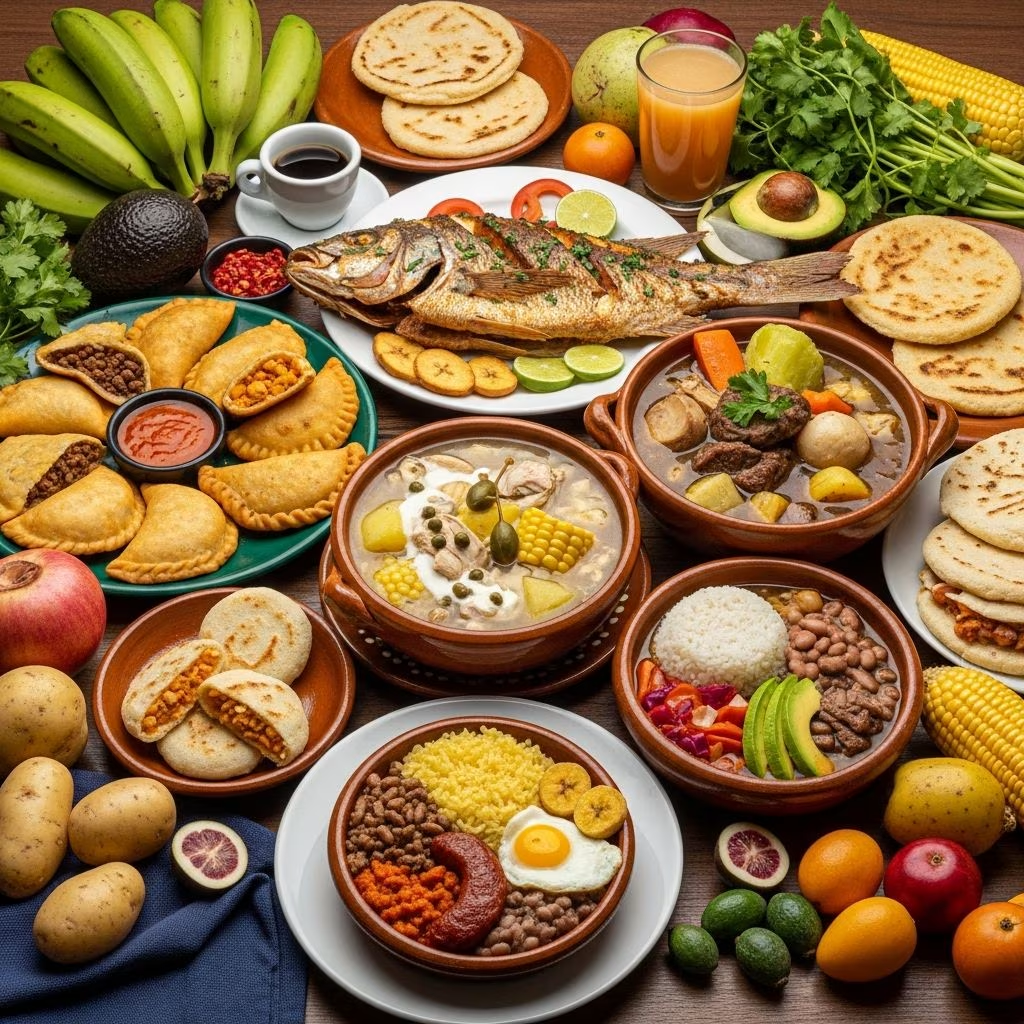
Colombia’s food scene represents far more than sustenance; it embodies centuries of cultural blending, indigenous heritage, and regional pride. Each region of this South American nation has developed distinct culinary traditions that reflect its geography, history, and available ingredients. From the lush Caribbean coastline to the mountainous interior, Colombian cuisine offers an extraordinary array of flavors that tell the story of a nation shaped by African, Spanish, and indigenous influences.
The Foundation of Colombian Cooking: Essential Ingredients and Techniques
Understanding Colombian food requires appreciation for the fundamental ingredients that appear across the nation’s diverse dishes. Corn, beans, plantains, potatoes, and tropical fruits form the backbone of traditional cooking. These staples combine with locally-sourced proteins—from coastal seafood to highland poultry—creating dishes that are both hearty and deeply satisfying.
Cooking methods in Colombia blend Spanish colonial techniques with indigenous practices passed down through generations. Slow-cooking in pressure cookers, pan-frying, deep-frying, and roasting are common approaches that develop complex flavors. The frequent use of fresh herbs, particularly cilantro and local chiles, adds vibrancy to even the simplest preparations.
Breakfast and Street Food: The Daily Rhythm of Colombian Eating
Colombians begin their day with substantial meals designed to fuel physical labor. Breakfast items have become iconic street foods, available throughout the day for those seeking quick, satisfying bites.
Arepas: The National Staple
The arepa stands as perhaps the most significant element in Colombian food culture. These round corn cakes, made from masa (corn dough), appear at virtually every meal and transcend simple categorization as either bread, side dish, or main course. In Medellín and surrounding areas, small white arepas serve as table accompaniments, while coastal variations in cities like Cartagena are traditionally stuffed with ingredients to create more substantial fare. The arepa con huevo—a corn cake filled with ground meat and raw egg, then deep-fried—represents a quintessential Caribbean street food experience. Regional variations extend to arepa with cheese, beans, avocados, shrimp, and fish, demonstrating the ingredient’s remarkable versatility.
Empanadas and Carimañolas
Empanadas hold a special place in Colombian snacking culture, available from street vendors and supermarkets throughout the country. Unlike empanadas in other regions, Colombian versions feature crispy cornmeal pastries that can be stuffed with cheese, vegetables, or meat combined with fresh coriander and potatoes. The traditional eating method involves taking a bite, then adding a small spoonful of salsa, which vendors offer in numerous varieties ranging from mild avocado-based sauces to intensely spiced options. Carimañolas present another popular street offering, though less documented in standard references, often featuring similar preparations with regional variations.
Hearty Main Dishes: Comfort and Celebration
Bandeja Paisa: The Signature Plate
Originating from the Medellín and Antioquia regions, the bandeja paisa represents Colombian comfort food at its most abundant. The name derives from both the region’s inhabitants—called paisas—and the Spanish word bandeja, meaning platter. This expansive plate traditionally contains rice, ground beef, red beans, chicharrón (pork rinds), chorizo, morcilla (blood sausage), a fried egg, avocado, arepas, and plantains. A single serving often provides enough sustenance for two people, embodying the regional philosophy of generous hospitality and hearty nourishment. The bandeja paisa exemplifies how Colombian cuisine combines multiple protein sources, starches, and vegetables into a single, integrated composition.
Frijoles Antioqueños: The Complete Experience
Similar in spirit to the bandeja paisa, frijoles Antioqueños showcase the Antioquia region’s culinary identity through a carefully orchestrated assembly of components. This dish combines local beans with crispy pork crackling, ground beef, a soft-fried egg, raw banana, ripe plantain, steamed potato, and generous amounts of fresh cilantro, all crowned with substantial avocado portions. Two types of chile sauce and steamed rice accompany the dish, which is traditionally portioned for sharing between two diners at lunch, often followed by fresh mandarin juice. This composition demonstrates how Colombian cuisine constructs meals through thoughtful ingredient layering rather than mixing.
Regional Specialties: From Coast to Mountain
Colombia’s geography creates distinct regional cuisines. The Tolima Department contributes lechona tolimense—a whole pork stuffed with rice, peas, potatoes, and spices, traditionally cooked in brick ovens for ten to twelve hours. This labor-intensive dish appears primarily at special occasions and celebrations, representing investment and pride in preparation. The El Valle department offers chuleta valluna, a pork milanese that has become popular in Colombian restaurants throughout the nation. Coastal regions provide fresh fish preparations like pescado frito, featuring whole fried fish such as red snapper, mojarra, or tilapia.
Soups and Stews: Liquid Comfort
Ajiaco: Bogotá’s Contribution
Ajiaco soup represents Bogotá’s most significant culinary export, functioning as comfort food for the capital’s residents. This hearty preparation combines chicken with three varieties of potatoes, corn, and the distinctive herb guasca, typically served with cream, capers, ají (Colombian-style hot sauce), and avocado. The soup’s distinct taste and ubiquitous availability throughout Colombia ensure that visitors encounter it in nearly every type of eatery, from street stalls to formal restaurants.
Sudado de Pollo and Puchero Santafereño
Sudado de pollo—a chicken stew featuring tender poultry in flavorful sauce—represents standard home cooking throughout Colombian households. This dish, typically served with white rice that soaks up the cooking liquid, demonstrates the practical elegance of daily Colombian cuisine. Puchero santafereño, named after Santa Fé de Bogotá and originating from Spanish culinary traditions, presents a hearty stew combining beef, chicken, pork, plantain, yuca, potatoes, corn, chorizo, and cabbage. These preparations showcase how Colombian cooking incorporates multiple protein sources into single-pot meals designed for family dining.
Seafood and Coastal Traditions
Colombia’s Caribbean coastline generates distinctive seafood preparations that differ markedly from interior cooking. Ceviche, prepared with local fish and shellfish, shares Peruvian similarities while maintaining Colombian characteristics through tangy, hearty preparations. This raw fish preparation, cured in citrus juices and combined with onions, cilantro, and chiles, appears in beaches and street stalls throughout the Caribbean coast. Posta negra, a Cartagena specialty, features pork slowly cooked in pressure cookers with onions, garlic, panela (local brown sugar), and spices, resulting in tender, melt-in-mouth meat served in a sweet barbecue-like sauce alongside brown rice and crispy plantains. These preparations demonstrate how coastal regions adapt traditional Colombian techniques to available seafood resources.
Starches and Sides: The Supporting Cast
Plantain Preparations
Plantains—called plátanos in Spanish—grow abundantly throughout Colombia and appear in multiple preparations. When thinly sliced and deep-fried, they become plantain crisps that many prefer to potato chips, available fresh from street vendors, sprinkled with salt, and remarkably inexpensive. These make ideal travel snacks and appear as components in larger dishes. Patacones, twice-fried green plantain slices, provide another common preparation, though less detailed in standard sources.
Tamales: The Wrapped Tradition
Tamales represent staple dishes across numerous South American and Latin American countries, with Colombia contributing distinctive regional versions. Tamales tolimenses from the Tolima Department in the Andean region feature chicken, pork ribs, potatoes, peas, carrots, boiled eggs, and rice—all Colombian tamales are characteristically wrapped in banana leaves. These are commonly eaten for breakfast in Bogotá, often accompanied by chocolate santafereño (hot chocolate with queso campesino). The preparation-intensive nature of tamales makes them special-occasion foods often prepared communally.
Breads and Baked Goods: Daily Carbohydrates
Pandebono: Cheese-Enriched Comfort
Pandebono soft buns, made from yuca flour and corn starch enriched with cheese, resemble Brazilian pão de queijo in texture and satisfy similarly to savory brioche. The sin fruta (without fruit) version provides authentic savoury experience, best served warm alongside a cool glass of avena (oat drink). These bakery items represent everyday treats that bridge breakfast and snack categories, appearing in panaderias (bakeries) throughout Colombian towns.
Buñuelos and Morning Pastries
Buñuelos—fried dough pastries—appear frequently in Colombian bakeries and breakfast contexts, though less extensively documented in standard references. These items, often served with chocolate santafereño, represent accessible everyday indulgences available from local bakeries and street vendors.
Beverages: Refreshment and Tradition
Avena Helada: Cold Oat Comfort
Avena helada represents the perfect antidote to Colombia’s tropical climate, providing refreshing relief through its smooth, vanilla-milkshake-like character. This oat-based drink offers both refreshment and sustenance, commonly paired with pandebono or other baked goods for afternoon snacking.
Chocolate Santafereño
This distinctive hot chocolate preparation, made with queso campesino (countryside cheese), appears particularly in Bogotá’s breakfast tradition. The combination of hot chocolate with melting cheese creates a flavor profile that bridges sweet and savory, representing cultural tradition and regional identity.
Desserts and Sweet Treats
Porteña de Dulce de Leche
Although not strictly Colombian in origin, this dessert has become must-try fare in Cartagena. The Porteña de dulce de leche incorporates meringue, arequipe (local dulce de leche), and gold leaf, creating an elaborate confection that represents special-occasion indulgence and coastal sophistication. The incorporation of imported culinary concepts into local contexts demonstrates how Colombian cuisine continues evolving while maintaining traditional foundations.
Dining Customs and Food Culture
Understanding Colombian food extends beyond individual dishes to encompass dining philosophy. Colombians traditionally eat their main meal at midday, with dinner typically lighter. Family dining emphasizes abundance and sharing, reflected in the generous portions characteristic of dishes like the bandeja paisa. Street food culture remains vibrant, with vendors offering quick, affordable options throughout the day. The combination of Spanish colonial heritage, African culinary influences, and indigenous ingredients creates a cuisine that feels simultaneously ancestral and contemporary.
Frequently Asked Questions
What is the most iconic Colombian dish?
The bandeja paisa from Medellín region holds strong claim to this title, though regional preferences vary. In Bogotá, ajiaco commands similar reverence. The arepa, appearing at virtually every meal, might be considered the most fundamental rather than most iconic.
Where should visitors try authentic Colombian food?
Street vendors, local markets, family-run restaurants, and panaderias offer the most authentic experiences. Cartagena and Medellín provide particularly diverse options, while Bogotá’s restaurants specialize in capital-region specialties.
Are Colombian dishes typically very spicy?
Most traditional dishes are not inherently spicy, though ají (hot sauce) accompanies meals for those who prefer heat. Visitors can control spice levels by adjusting sauce additions.
What ingredients define Colombian cooking?
Corn, beans, plantains, potatoes, tropical fruits, fresh cilantro, and local chiles form the foundation. Proteins vary by region, with inland areas emphasizing beef and poultry, while coastal regions focus on seafood.
References
- The 20 dishes you can’t leave Colombia without trying — Lifestyle Enthusiast. 2017-12-15. https://www.lifestyleenthusiast.co.uk/2017/12/colombian-must-eats.html
- Colombian Street Food: Must-Try Colombian Dishes — Lauren on Location. 2024. https://laurenonlocation.com/must-eats-colombia/
- Colombian food: 23 things you must try in Colombia — Always Carry On. 2016-05-31. https://www.alwayscarryon.com/2016/05/31/colombian-food/
- 18 Traditional Colombian food and dishes you need to try — Nomadic Boys. 2024. https://www.nomadicboys.com/famous-foods-from-colombia/
- 10 Traditional Colombian Main Dishes You Must Try — My Colombian Recipes. 2024. https://www.mycolombianrecipes.com/10-traditional-colombian-main-dishes-you-must-try/
- Colombian Street Food: 25 Must-Try Dishes — Will Fly for Food. 2024. https://www.willflyforfood.net/colombian-street-food/
On This Page
The Foundation of Colombian Cooking: Essential Ingredients and Techniques Breakfast and Street Food: The Daily Rhythm of Colombian Eating Hearty Main Dishes: Comfort and Celebration Soups and Stews: Liquid Comfort Seafood and Coastal Traditions Starches and Sides: The Supporting Cast Breads and Baked Goods: Daily Carbohydrates Beverages: Refreshment and Tradition Desserts and Sweet Treats Dining Customs and Food Culture Frequently Asked Questions← Previous
London’s WWII Stretcher Fences: History, Heritage and Preservation
Next →
Vintage Travel Posters: History, Art & Enduring Appeal
Related Reading
More in Food & Culture
Food & Culture Food & Culture
 Food & Culture
Best Places to Eat in Rome: Neighborhood Dining Guide
 Food & Culture
 Food & Culture