


 Food & Culture
Food & Culture
Traditional Norwegian Food: Signature Dishes, Drinks & Culinary Heritage
Explore Norway's traditional and contemporary food scene, featuring fresh seafood, hearty comfort dishes, and unique Nordic beverages that define Scandinavian gastronomy.
 Food & Culture
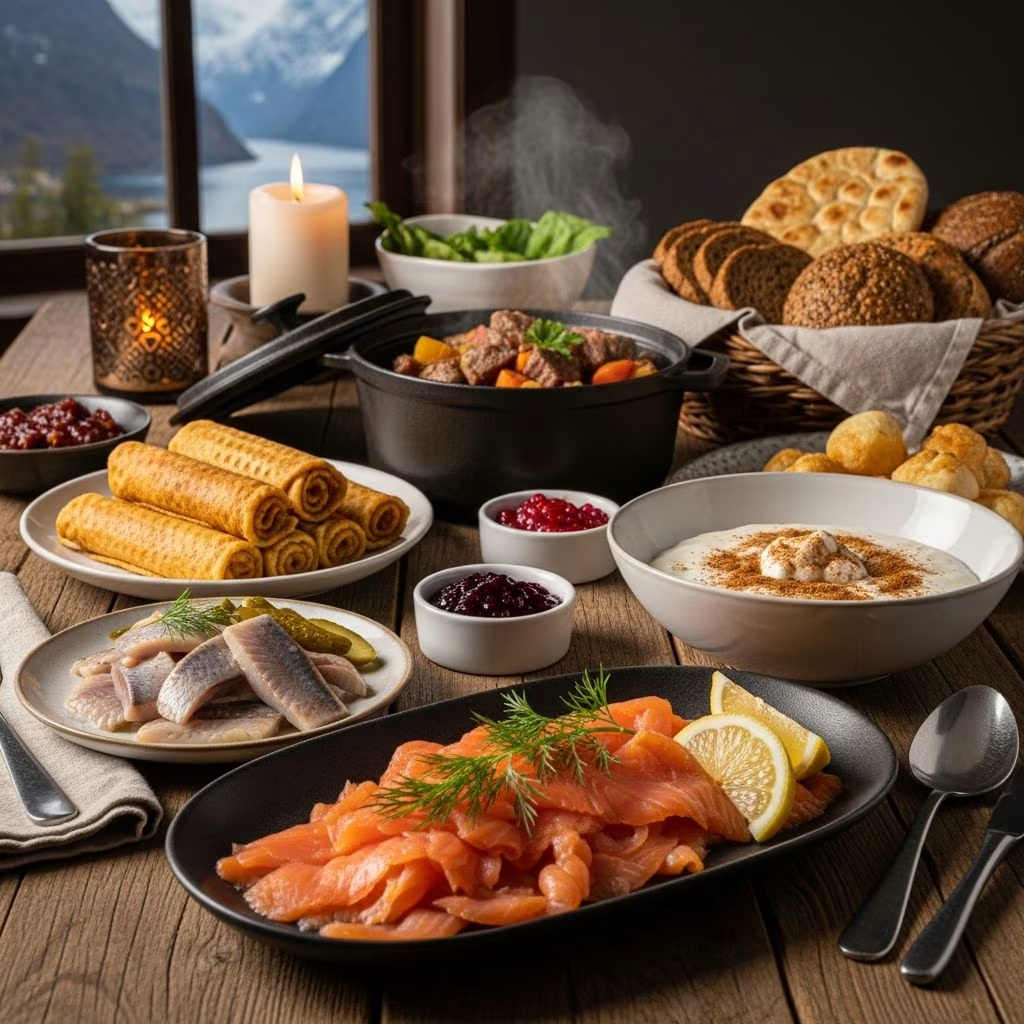
Norway’s gastronomic heritage represents a fascinating blend of environmental necessity and culinary tradition. The nation’s distinctive food culture has evolved from centuries of harsh winters, abundant waters, and mountainous terrain that have shaped how Norwegians prepare and preserve their meals. Modern Norwegian dining reflects this historical foundation while embracing contemporary Nordic innovation, creating a food scene that rivals the country’s legendary natural beauty.
The Foundation of Norwegian Gastronomy: Climate and Geography
The Norwegian landscape—characterized by dramatic fjords, snow-capped mountains, and pristine waters—has profoundly influenced local cuisine. The nation’s severe climate historically necessitated preservation techniques such as salting, drying, and fermenting, methods that remain central to traditional Norwegian cooking today. These practices transformed basic ingredients into distinctive delicacies that define the national palate.
The abundance of fresh seafood represents Norway’s greatest culinary advantage. Both Atlantic and freshwater fish species thrive in Norwegian waters, providing the primary protein source for generations of inhabitants. Likewise, the country’s inland regions produce exceptional lamb, game meats, and foraged ingredients that add depth and complexity to the Nordic culinary repertoire.
Oceanic Treasures: Norway’s Signature Seafood Offerings
Norway’s relationship with the ocean extends far beyond sustenance—it represents cultural identity and economic heritage. The nation’s maritime resources have generated some of the world’s most celebrated seafood specialties, each reflecting generations of culinary refinement and traditional preparation methods.
Atlantic Cod: From Ancient Trade to Modern Delicacy
Atlantic cod holds mythological status in Norwegian food culture. Historically, the fish sustained entire coastal communities through international trade networks, with dried cod (known as tørrfisk) serving as a valuable commodity for centuries. Modern visitors to the Lofoten Islands witness this tradition firsthand, observing rows of wooden racks laden with cod drying in the crisp Norwegian air.
Tørrfisk consumption ranges from casual snacking—enjoyed like jerky alongside beer—to more sophisticated applications. Many restaurants rehydrate the preserved fish by soaking it in water before baking, grilling, or incorporating it into traditional soups. For an authentic experience, Bacalao in Svolvær offers an excellent introduction to this specialty in its charming harbourside setting.
Salmon and Contemporary Seafood Preparations
While cod represents historical tradition, Norwegian salmon embodies contemporary culinary excellence. During early summer months, kokt laks (boiled salmon) achieves delicacy status, prized for its delicate texture and subtle flavor. Smoked salmon (rokt laks) appears in numerous preparations—as sandwich filling, starter with capers and cream cheese, or component of larger composed meals.
King crab represents the pinnacle of Norwegian luxury seafood experiences. The port city of Tromsø has developed specialized experiences combining scenic fjord excursions with ice bar tastings of freshly cooked crab meat. For refined dining, Mathallen Tromsø offers elevated preparations featuring king crab as a premium menu feature.
Fish Soup and Warming Broths
Fiskesuppe (fish soup) occupies a cherished position in Norwegian comfort food traditions. This warming preparation typically combines chunks of fresh fish—particularly salmon and cod—with shrimp, root vegetables, and cream. The soup’s accessibility and affordability make it a menu staple in coastal restaurants and inland establishments throughout the country. Bryggeloftet, Bergen’s oldest restaurant, provides an especially atmospheric setting for experiencing this traditional preparation alongside warm bread for dunking and soaking up the savory broth.
Pickled Herring: A Versatile Treasure
Herring occupies profound cultural significance in Norwegian food heritage. The humble fish once provided the economic foundation for prosperous coastal communities, while contemporary Norway even celebrates it through Sildajazz, a jazz festival named after the species.
Traditionally associated with Christmas celebrations as julesild (Christmas herring), pickled herring now appears year-round in supermarkets and restaurants as an appetizer. Common variations include tomato sauce preparations, mustard, curry, and creamy beet brine versions. For adventurous palates, sampling various herring preparations on fresh bread—followed by a shot of aquavit—represents an authentic Norwegian dining ritual.
Mountain and Countryside Specialties
Beyond coastal regions, Norway’s interior produces hearty dishes reflecting alpine and rural traditions. These preparations showcase lamb, game meats, and foraged ingredients transformed through generations of culinary refinement.
Lamb Stew: The National Comfort Dish
Fårikål, a traditional mutton and cabbage stew, holds the distinction of being Norway’s national dish. This humble preparation exemplifies Norwegian culinary philosophy: simple ingredients prepared with respect for their inherent flavors. The dish demonstrates how harsh winters necessitated hearty, warming meals that could be prepared efficiently over extended cooking periods.
Reindeer and Game Preparations
Reinsdyrstek (roast reindeer) represents a more contemporary luxury offering, often prepared with brown gravy and accompanied by tart lingonberries that resemble wild cranberries. This preparation combines Alpine tradition with modern plating sensibilities, creating elegant dishes worthy of fine-dining establishments.
Cream-Based Porridges and Mountain Lodge Traditions
Rømmegrøt (sour cream porridge) exemplifies the mountain lodge and traditional summer farm (seter) culinary traditions. This creamy preparation is authentically experienced at fjellstuer (mountain lodges) and seters throughout the Norwegian countryside. Hjerkinn Fjellstue and Herdalssetra serve particularly authentic versions, often accompanied by raspberry sauce and complemented with cured meats and flatbread for savory balance.
Holiday and Festival Cuisine
Norwegian festive traditions center around distinctive seasonal dishes that have become deeply woven into national identity. Christmas particularly showcases the country’s most elaborate culinary presentations.
Christmas Celebrations and Ribbe
Ribbe (crispy pork belly) reigns as the star of Norwegian Christmas tables. With its characteristic sliced crispy rind, tender interior, and smoky flavor, this preparation represents the pinnacle of holiday indulgence. Traditional Christmas meals accompany ribbe with mashed potatoes, red cabbage, and medisterkaker (pork meatballs).
Holiday Beverages and Festive Accompaniments
Norwegian Christmas celebrations feature distinctive festive drinks. Gløgg (mulled wine), juleøl (Christmas beer), and julebrus (a red-colored seasonal soda with strawberry or raspberry flavor) accompany holiday meals, creating a complete sensory experience.
Traditional Breads, Pastries, and Sweet Treats
Norwegian baking traditions span from simple flatbreads to elaborate pastries, reflecting both practicality and festive celebration. These preparations often incorporate traditional ingredients like brown cheese and berries.
Lefse and Flatbread Traditions
Lefse represents Norway’s answer to the pancake, traditionally prepared with flour, potatoes, butter, and cream. This versatile flatbread accommodates both sweet and savory applications—enjoyed with cinnamon and sugar for dessert, or wrapped around smoked salmon and sour cream for savory presentations.
Waffles, Pastries, and Bakery Culture
Norwegian waffles feature prominently in café culture and traditional bakeries, often topped with jam, sour cream, or brunost (brown cheese). Sveler—thick, fluffy pancakes—appear frequently in cafés and aboard ferries, offered with similar toppings or simple butter and sugar combinations. Oslo’s Verdensbakeriet and Åpent bakeri showcase extensive boller (bun) varieties, while Bergen’s Good Bread Floyen operates as a veritable bun kingdom.
Brunost and Distinctive Cheeses
Brunost (brown cheese) represents a quintessentially Norwegian ingredient, prized for its sweet, caramel-like flavor. This unique cheese appears on waffles, in pastries, and increasingly in modern applications like brunost-flavored milkshakes—blending tradition with contemporary culinary experimentation.
Norwegian Beverages: From Aquavit to Craft Innovation
Norwegian drinking traditions reflect both historic preservation techniques and modern Nordic creativity. Distinctive spirits and seasonal preparations showcase the nation’s sophisticated beverage culture.
Aquavit: The National Spirit
Aquavit represents perhaps Norway’s most iconic beverage, a spirit distilled from potatoes and flavored with herbs—most notably caraway or dill. Traditionally consumed during festive occasions as a shot, aquavit pairs exceptionally well with rich foods like cured meats and fish. Its distinct flavor profile and warming qualities ensure it remains a beloved choice during celebrations throughout the year.
Breakfast Traditions and the Koldtbord
Norwegian breakfast (frokost) typically features koldtbord—the famous cold board consisting of herring, goat’s milk cheese, salmon, soft-boiled eggs, and wienerbrød (Danish pastry). This substantial morning meal provides essential fortification for those undertaking glacier expeditions or demanding outdoor activities.
Regional Specialties and Festival Dining
Norway’s regional food festivals celebrate distinctive local preparations. The Bergen Food Festival, typically held in September, showcases traditional regional dishes like Bergen fish soup and persetorsk (cod marinated in salt and sugar), providing visitors direct access to authentic Nordic gastronomy.
Foraging and Modern Nordic Cuisine
Contemporary Norwegian dining increasingly incorporates foraged ingredients—particularly cloudberry jam, described as equally sweet and tart. This modern movement builds upon traditional preservation techniques while embracing sustainable practices and hyperlocal ingredient sourcing. The resulting “New Nordic” fine dining movement represents Norway’s contribution to global culinary innovation.
Dining Recommendations and Venues
Traditional restaurants and beer halls provide the most authentic Norwegian dining experiences. Oslo establishments include Gamle rådhus and Stortorvets Gjæstgiveri for classic preparations, alongside contemporary venues like Fiskeriet and Mathallen Oslo for modern interpretations. Bergen’s Bryggeloftet & Stuene combines historical atmosphere with excellent execution of traditional dishes.
Conclusion: Understanding Norwegian Food Culture
Norwegian cuisine represents far more than sustenance—it embodies the nation’s relationship with its dramatic landscape, maritime heritage, and cultural identity. From humble fish soups warming frozen fingers to elaborate Christmas feasts celebrating communal tradition, Norwegian food reflects centuries of adaptation to environmental challenges combined with pride in distinctive regional specialties. Whether experiencing traditional mountain lodge preparations or innovative New Nordic fine dining, visitors discover a food culture that honors its past while enthusiastically embracing contemporary gastronomic possibilities. This balance between tradition and innovation defines Norwegian culinary excellence.
References
- What to eat and drink in Norway — Lonely Planet. https://www.lonelyplanet.com/articles/what-to-eat-and-drink-in-norway
- Norwegian Foods: What Cuisine to Expect in Norway — Wilderness Travel. https://www.wildernesstravel.com/blog/norwegian-foods-cuisine-in-norway/
- Food & Drink in Norway — Frommers. https://www.frommers.com/destinations/norway/in-depth/food–drink/
- The Food and Drink Guide of Norway — Firebird Tours. https://www.firebirdtours.com/travel-tips/norway/drinks
- Traditional Norwegian Food & Drink Guide — Inghams. https://www.inghams.co.uk/walking-holidays/inspiration/insider-guides/traditional-norwegian-food
- What To Eat in Norway (& Where To Eat It) — kimkim. https://www.kimkim.com/c/what-to-eat-in-norway-and-where-to-eat-it
- Norwegian Food & Drink — Life in Norway. https://www.lifeinnorway.net/living/food/
On This Page
The Foundation of Norwegian Gastronomy: Climate and Geography Oceanic Treasures: Norway's Signature Seafood Offerings Mountain and Countryside Specialties Holiday and Festival Cuisine Traditional Breads, Pastries, and Sweet Treats Norwegian Beverages: From Aquavit to Craft Innovation Regional Specialties and Festival Dining Foraging and Modern Nordic Cuisine Dining Recommendations and Venues Conclusion: Understanding Norwegian Food Culture← Previous
Art Deco in Paris: Iconic Buildings and Architectural Heritage
Next →
Best Places to Visit in Panama: Top Cities, Islands & Adventures
Related Reading
More in Food & Culture
Food & Culture Food & Culture
 Food & Culture
Best Places to Eat in Rome: Neighborhood Dining Guide
 Food & Culture
 Food & Culture